Modernizing Freight Operations with Advanced Tech Integrations
Monday, September 28 2026
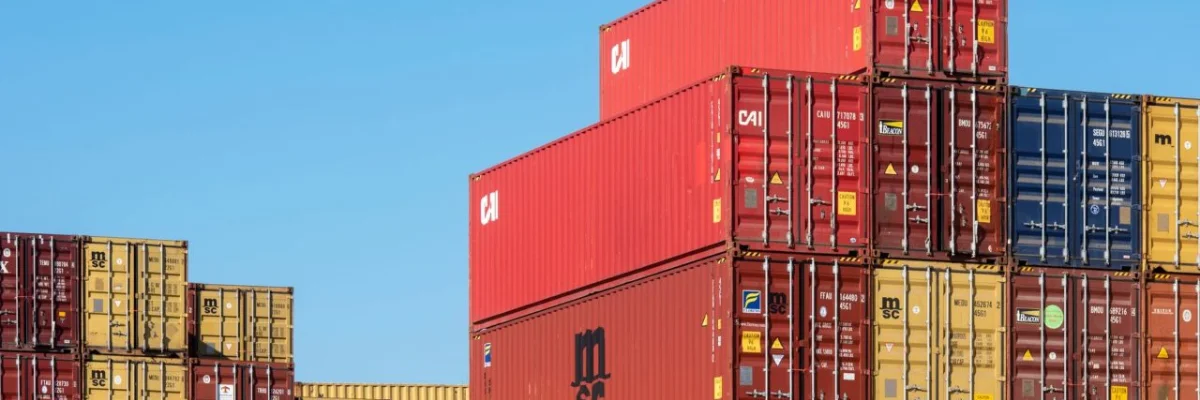
The global logistics landscape is undergoing a massive digital transformation that demands agility, precision, and connectivity. Freight forwarders are increasingly moving away from legacy systems and manual spreadsheets to embrace cloud-based software platforms that offer real-time visibility. By leveraging modern technology, firms can now break down data silos, automate routine administrative tasks, and provide superior client experiences. This shift is not just about keeping pace with competitors but about creating a scalable foundation for long-term growth. As the industry becomes more complex, adopting integrated solutions is the most effective way to ensure operational resilience and maintain profitable margins in every shipment.
The Power of Seamless Connectivity

Interconnected systems form the backbone of modern freight forwarding, allowing data to flow freely between stakeholders. This connectivity reduces human error and ensures that every participant in the supply chain works from a single, verified version of the truth.
- Real-time data synchronization: Cloud platforms update shipment statuses instantly across all connected devices to provide stakeholders with the most accurate information available regarding their cargo location and status updates.
- API-led system integration: Modern software allows freight forwarders to connect with carriers, customs authorities, and warehouse management systems through secure APIs for faster data exchange and processing.
- Automated document handling: Digital workflows eliminate the need for manual data entry by automatically extracting information from bills of lading and commercial invoices directly into your system.
- Enhanced partner collaboration: Digital portals enable your partners and sub-contractors to update their own milestones directly, which reduces the need for constant phone calls and email requests.
By prioritizing seamless connectivity, you transform your operations from a reactive state to a proactive powerhouse. Your team spends less time hunting for information and more time managing exceptions or building client relationships. This shift in focus is essential for scaling your business without adding excessive headcount, ensuring that your digital infrastructure supports your goals while maintaining high service standards for every customer.
Automating Routine Operational Tasks
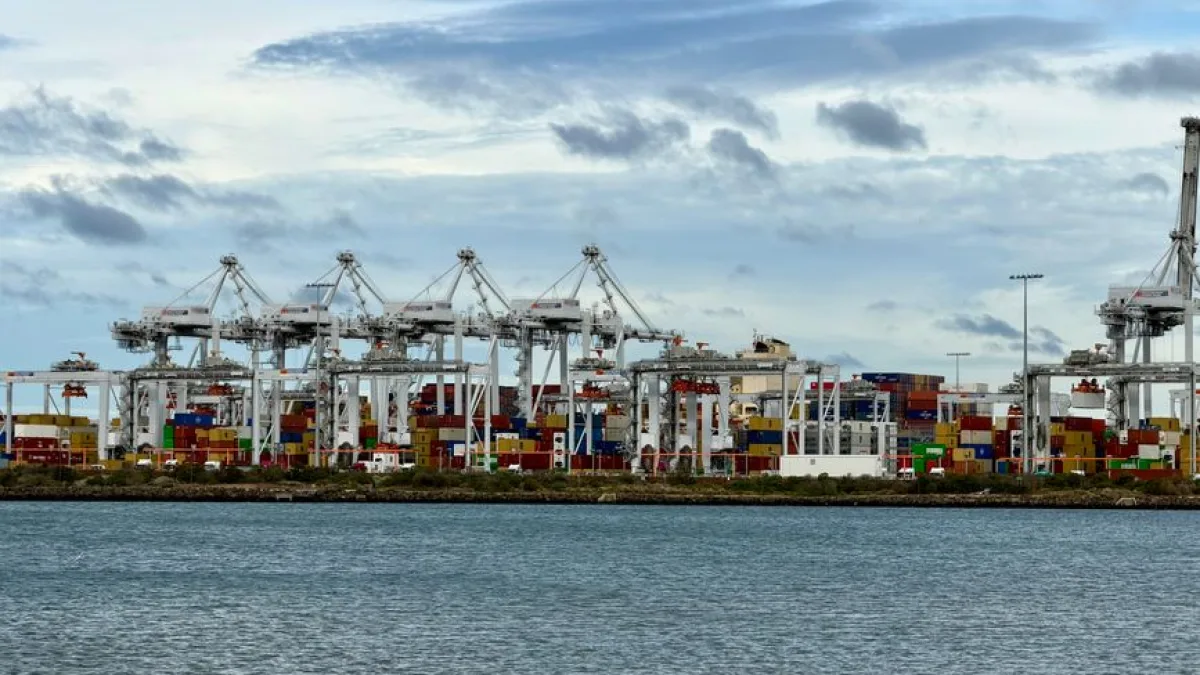
Manual tasks like rate searching and quote generation represent the greatest drains on productivity for freight teams. Intelligent automation features within cloud software manage these high-volume processes, allowing your experts to concentrate on complex logistics strategy and client support.
- Automated rate management: Centralizing carrier buy rates allows your system to instantly calculate margins and generate accurate quotes for clients based on specific shipment parameters and weight.
- Smart booking workflows: Standardized booking templates and automated carrier messaging ensure that every request contains all necessary data, preventing delays caused by incomplete documentation or missing details.
- Proactive milestone alerts: Automated notification triggers keep your clients informed at every stage of the transit process without requiring manual status checks or repetitive email updates.
- Electronic invoicing accuracy: Financial systems integrate with operational data to generate invoices automatically, reducing billing errors and accelerating your cash flow cycle through faster payment collection.
Automation serves as the silent engine that drives efficiency across your entire organization. By removing the burden of repetitive tasks, you empower your staff to tackle high-value activities that require human judgment and creative problem-solving. This creates a more rewarding work environment while simultaneously boosting throughput and accuracy. As your operations scale, these automated workflows ensure that service quality remains consistently high.
Leveraging Advanced Freight Analytics

Data is the most valuable asset in modern freight forwarding, yet many firms fail to exploit their own historical information. Integrated analytics tools turn raw shipment data into actionable business intelligence that improves decision-making and reveals new opportunities for growth.
- Performance KPI monitoring: Custom dashboards display critical metrics such as on-time delivery rates and average transit times to help managers identify bottlenecks within specific trade lanes.
- Carrier cost analysis: Detailed reporting tools compare carrier performance against service level agreements to ensure that you are always selecting the most cost-effective routing options.
- Client profitability tracking: Granular reporting allows you to analyze individual account profitability, helping your sales team focus on high-margin customers and optimize your overall service portfolio.
- Demand forecasting capabilities: Historical data patterns help your team anticipate seasonal surges in freight volume, allowing for better capacity planning and improved resource allocation during peak periods.
Harnessing data turns your freight business into a strategic partner for your clients. Instead of just moving cargo, you provide deep insights into supply chain trends and cost-saving opportunities. This level of transparency fosters trust and strengthens long-term client retention. When your decisions are rooted in hard evidence rather than intuition, you reduce risk and gain a significant advantage in the competitive market.
Prioritizing Scalable Cloud Infrastructure

Choosing a cloud-based software solution provides the flexibility needed to adapt to changing market conditions rapidly. Scalability ensures that your technological infrastructure grows alongside your volume, without the need for significant capital expenditure on hardware or constant manual updates.
- Global remote access: Cloud-native applications enable your team to manage operations securely from any location, which is vital for businesses operating across multiple time zones or regions.
- Automatic platform updates: Managed software providers deliver continuous improvements and new features directly to your system, ensuring you always have access to the latest technological capabilities.
- Enhanced data security: Professional cloud providers employ enterprise-grade security protocols, including regular backups and robust encryption, to protect your sensitive operational and client data from cyber threats.
- Rapid system onboarding: Modern platforms offer intuitive interfaces that reduce training time, allowing new hires to become productive members of your logistics team in days.
Investing in cloud infrastructure is a commitment to the future viability of your forwarding business. It eliminates the headaches associated with traditional server maintenance and software version control, allowing your team to focus strictly on freight operations. As the industry continues to innovate, having a flexible and secure platform ensures that you remain ready to integrate the next generation of logistics technology.
Conclusion

Embracing integrated technology is no longer optional for freight forwarders looking to survive and thrive. By adopting tools that prioritize connectivity, automation, analytics, and cloud scalability, your business becomes more resilient and capable of handling future industry challenges. Start reviewing your current tech stack today to identify where automation can replace manual effort and move your logistics operations toward a more profitable future.