Modernizing Freight Operations with Advanced Tech Integrations
Saturday, October 17 2026

The global logistics landscape is undergoing a rapid digital transformation that forces freight forwarders to re-evaluate their reliance on legacy manual processes. As international supply chains grow increasingly complex, the need for seamless data flow between platforms has become the primary driver of operational efficiency and competitive advantage. By leveraging modern cloud-based software, professionals can eliminate information silos and reduce the risk of human error during complex documentation tasks. This article explores how strategic technological integrations empower forwarders to scale their operations, enhance shipment visibility, and deliver a superior customer experience in an era defined by constant change and high demands.
Unified Data Connectivity

Real-time data synchronization serves as the backbone of modern freight forwarding, ensuring that every stakeholder stays updated. By connecting disparate systems, teams can finally move away from repetitive manual entries and achieve a single, reliable source of truth for all shipments.
- Seamless API Integration: Cloud-based platforms communicate directly with carrier systems to pull live status updates and schedule changes without any manual intervention from your internal operations staff.
- Automated Data Sync: Information flows automatically between your accounting, CRM, and freight management modules to ensure that billing accuracy remains consistent across every single customer interaction.
- Standardized Document Exchange: Utilizing electronic data interchange protocols allows your team to send and receive shipping documents with customs authorities and local partners in a secure manner.
- Cloud Storage Access: Centralized digital document repositories ensure that every team member can retrieve vital shipment details or customs paperwork from any location around the globe.
- System Interoperability: Modern software architecture supports easy connections with third-party tracking tools to provide your clients with granular visibility into their specific cargo journey progress.
Adopting a unified data strategy transforms how your organization handles daily high-volume logistics tasks. When systems communicate effectively, your staff saves significant time that was previously wasted on manual data reconciliation. This shift allows your team to focus on strategic client growth rather than getting bogged down by administrative chores. Embracing this level of connectivity is essential for building a truly agile freight business.
Optimized Shipment Tracking

Visibility remains a top priority for shippers who demand instant updates regarding their cargo locations. Integrating advanced tracking technologies directly into your software platform allows for automated notifications that keep your clients informed at every single stage of transit.
- Automated Status Updates: Set up custom triggers that automatically alert clients when cargo reaches specific checkpoints or if there are unexpected delays during the international transit process.
- Predictive Arrival Alerts: Advanced machine learning algorithms analyze historical transit data to provide highly accurate estimated arrival times that build deeper trust with your loyal clients.
- Interactive Client Portals: Provide your customers with a secure web login to view real-time maps and shipment statuses without needing to call your office for updates.
- Multi-modal Visibility: Consolidate data from ocean, air, and road carriers into one single interface so you can manage complex intermodal shipments with total operational ease.
- Real-time Exception Management: Identify potential disruptions or customs holds immediately so you can take proactive steps to resolve issues before they negatively impact your customer operations.
Providing proactive shipment visibility is the most effective way to distinguish your freight forwarding services in a crowded market. When clients receive timely information without asking, their satisfaction levels climb significantly. By using integrated tracking tools, you position your brand as a transparent and reliable partner. This technology investment pays for itself through increased client retention and higher levels of operational trust.
Streamlined Documentation Workflows

Manual document preparation remains a major bottleneck for many traditional forwarders today. By automating the generation and filing of bills of lading and commercial invoices, companies can reduce processing times by more than fifty percent while drastically improving overall accuracy.
- Smart Template Generation: Create professional shipping documents using pre-filled templates that pull specific client and cargo data directly from your existing cloud-based software database records.
- Digital Signature Integration: Speed up the approval process by utilizing secure electronic signature tools that allow your clients and partners to sign paperwork from anywhere.
- Automated Compliance Checks: Built-in validation rules automatically flag missing information or potential customs errors before you submit documentation to the relevant government or port authorities.
- Instant PDF Conversion: Transform complex shipment data into clean, formatted digital documents that can be sent to stakeholders with a single click of a button.
- Archive Retrieval Speed: Digital indexing allows you to find historical shipping documents from years ago in mere seconds, rather than searching through physical filing cabinets.
Efficiency in documentation is the hallmark of a high-performing logistics provider that values precision and speed. When you automate these repetitive tasks, you minimize the risk of costly errors and speed up the entire billing cycle for your organization. Modernizing these workflows not only improves internal productivity but also presents a more professional and streamlined image to your valued global customers.
Scalable Infrastructure Growth
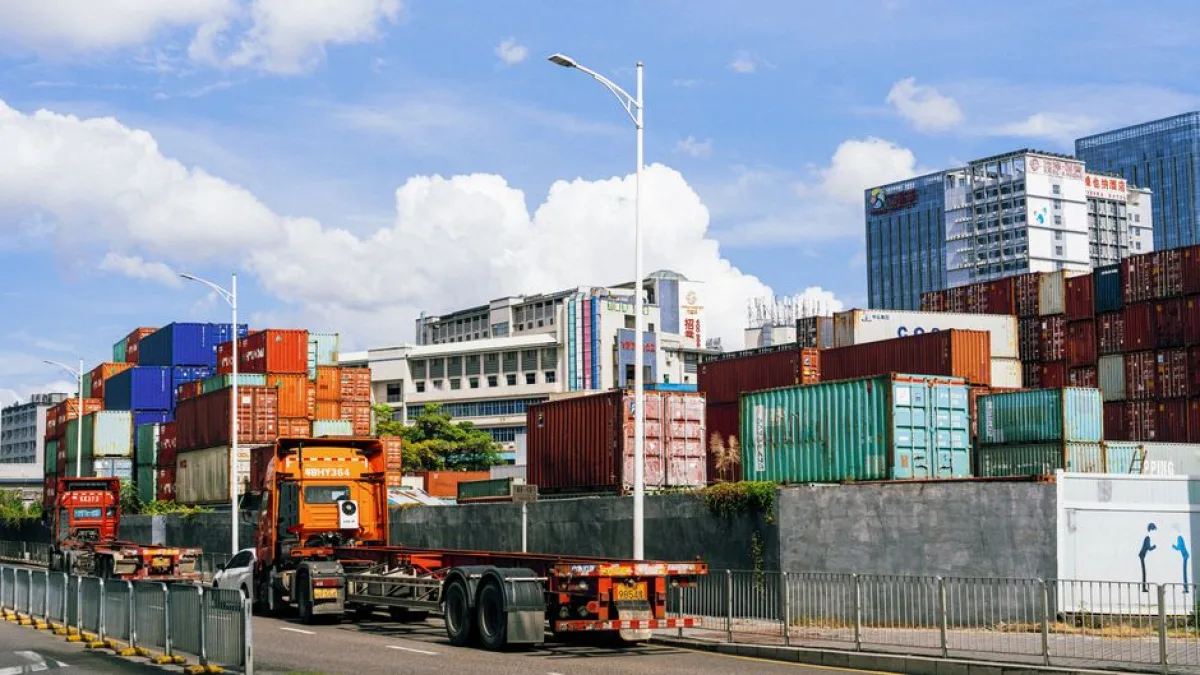
Cloud infrastructure provides the flexibility required to scale your business operations as cargo volumes increase over time. Moving away from localized servers to flexible software as a service models allows you to add new users and features instantly.
- Elastic Computing Power: Cloud platforms scale automatically to handle spikes in shipment volume during peak seasons without requiring any hardware upgrades or downtime for your team.
- Lower Overhead Costs: Eliminate the need for expensive on-site server maintenance and dedicated IT staff by using a secure, vendor-managed cloud freight forwarding software platform instead.
- Global Team Access: Enable your remote or international staff members to collaborate on shipments simultaneously from different time zones through a unified secure web platform.
- Enhanced Cybersecurity Protocols: Protect your sensitive client and carrier data with enterprise-grade encryption and automated security updates that stay ahead of the latest industry threats.
- Modular Feature Updates: Benefit from ongoing software updates that introduce new industry-leading features without needing to reinstall programs or disrupt your daily business operations flow.
Investing in a scalable software architecture ensures that your freight forwarding business remains future-proofed against changing market demands. As you expand into new trade lanes or add more team members, your technology will continue to support your operational goals seamlessly. Choosing a flexible platform today allows you to focus on growth while maintaining a robust and reliable foundation for your long-term success.
Conclusion

Modernizing your logistics operations through smart technology integrations is no longer a luxury but a fundamental necessity. By focusing on data connectivity, shipment tracking, automated workflows, and scalable cloud infrastructure, your freight forwarding business will thrive in a competitive landscape. Assess your current processes today to identify which manual bottlenecks you can solve with these powerful software solutions for lasting growth.