Modernizing Freight Operations with Cloud Integration
Sunday, November 1 2026

The global logistics landscape is undergoing a massive transformation as digital adoption becomes a mandatory requirement for long-term survival. For forwarders, the days of relying on manual data entry and fragmented email chains are quickly coming to an end. By moving operations to a cloud-based architecture, companies can unify their fragmented workflows into a single source of truth. This shift not only eliminates costly operational bottlenecks but also provides the real-time visibility that modern shippers demand. Embracing these advanced software solutions is the only way to remain competitive, scalable, and responsive in an increasingly unpredictable and fast-paced international shipping market.
Automated Workflow Efficiency

Automation serves as the backbone of modern freight forwarding by removing repetitive tasks from the daily schedule. When systems communicate automatically, staff can focus on high-value strategy rather than chasing shipment status updates through manual phone calls and endless email chains.
- Reduced Data Entry: Cloud platforms utilize optical character recognition to ingest documents automatically, ensuring that errors are minimized while speed increases for every single bill of lading processed by staff.
- Centralized Document Management: Storing all shipment documentation in a unified cloud repository allows teams to access critical files instantly from any global office location without searching through physical filing cabinets.
- Automated Status Alerts: Proactive notifications inform clients of milestone changes automatically, which significantly reduces the administrative burden on your customer service team and improves overall shipper satisfaction levels.
- Workflow Task Assignment: Intelligent software routes specific tasks to the correct department member based on predefined business rules, ensuring that no shipment gets delayed due to human oversight.
By shifting to automated workflows, forwarders can significantly reduce their overhead while simultaneously boosting their capacity for handling more freight. This transition allows your team to move beyond reactive firefighting and start focusing on proactive growth strategies. As manual effort fades, the reliability of your data increases, creating a stronger foundation for making informed business decisions that drive profitability throughout your entire shipping organization.
Seamless Carrier Connectivity
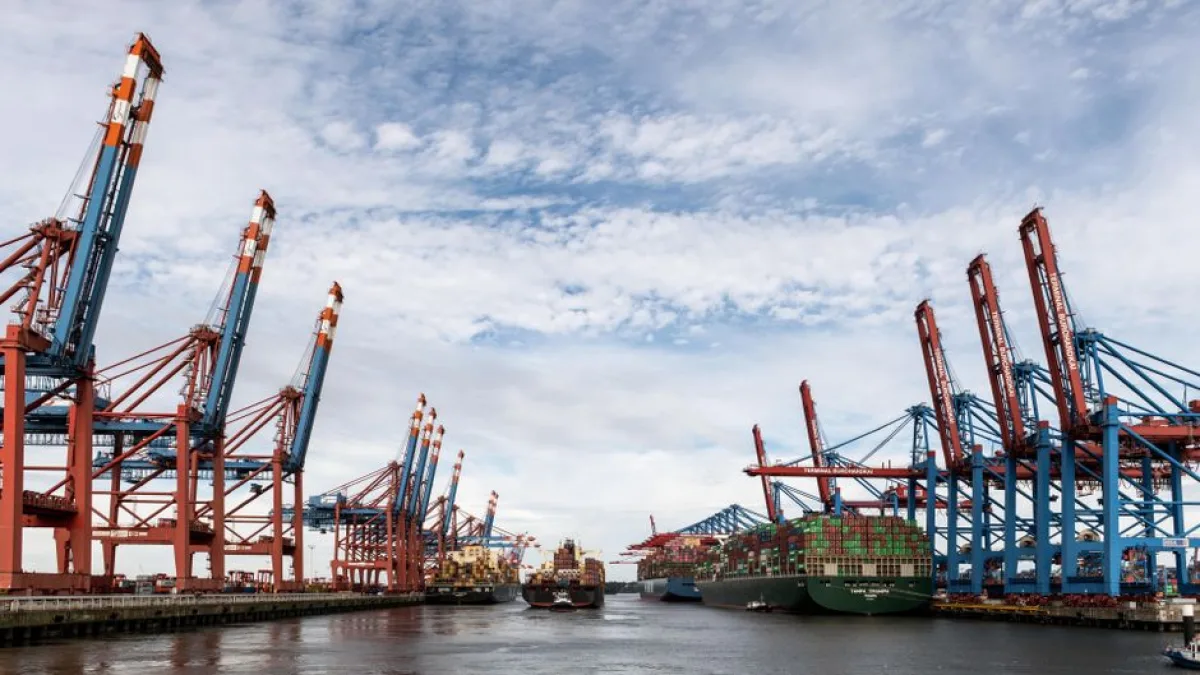
Establishing direct digital links with carriers is essential for receiving accurate, real-time updates regarding vessel positions and schedule changes. Relying on carrier portals is inefficient, so integrated APIs provide the data transparency necessary for effective modern supply chain management.
- Real-time Tracking APIs: Direct API connections pull vessel tracking data directly into your software dashboard, providing accurate updates that keep your clients informed without manual intervention by your staff.
- Instant Rate Retrieval: Integration allows for the rapid comparison of carrier rates across multiple lanes, enabling your sales team to provide accurate quotes to shippers in mere seconds.
- Dynamic Booking Requests: Submitting booking requests directly from your platform to the carrier system ensures that data remains consistent, drastically reducing the risk of costly errors and omissions.
- Schedule Exception Alerts: Automated systems monitor vessel schedules 24/7, notifying your team of delays or port omissions immediately so that you can inform shippers before problems escalate further.
Reliable connectivity transforms your operational posture from a bottleneck to a value-added service provider. When your systems talk to carrier networks effortlessly, the quality of information you provide to your customers becomes your primary competitive advantage. This level of technical maturity prevents information silos and ensures that every stakeholder has access to the same current facts, regardless of their specific geographic location.
Enhanced Client Transparency

Providing your customers with self-service portals is the ultimate way to differentiate your brand in a crowded market. Clients expect transparency and digital tools, meaning your ability to offer a sophisticated tracking interface is now a primary selling point.
- Client Self-service Portals: Allowing your customers to log in and view their active shipments anytime builds trust and reduces the number of inquiry calls received by your support.
- Customizable Reporting Tools: Offering downloadable performance reports gives shippers the analytics they need to optimize their own supply chains, positioning your company as a vital strategic logistics partner.
- Transparent Financial Statements: Providing digital access to invoices and payment history ensures that billing disputes are kept to a minimum, fostering a much healthier and more productive relationship.
- Secure Data Sharing: Using encrypted cloud environments ensures that sensitive shipment details are shared safely with customers, meeting modern compliance standards and protecting all parties from data breaches.
Giving clients direct visibility into their logistics pipeline is a powerful tool for customer retention and long-term loyalty. When customers feel empowered by your software tools, they are far more likely to stay with your firm through market fluctuations. This proactive transparency turns your shipping services into a transparent partnership rather than a mysterious black box process that they cannot properly control.
Scalable Infrastructure Growth

Scaling a freight forwarding business requires an infrastructure that can grow alongside your shipment volumes. Cloud software eliminates the need for expensive hardware maintenance, allowing you to pay only for the resources that your business actually utilizes today.
- Cloud Elasticity Benefits: As your transaction volume grows, the platform expands its computing power automatically, ensuring that you never face downtime during peak seasons or sudden business expansion phases.
- Lower Hardware Costs: Moving to the cloud removes the burden of managing internal servers, saving your company thousands in hardware upgrades, cooling, security, and dedicated IT maintenance staff.
- Remote Access Capability: A browser-based platform allows your entire global staff to work from anywhere, which enables you to hire the best talent regardless of their specific location.
- Frequent Software Updates: Cloud vendors push new features and security patches automatically, meaning you always have the latest technology without needing to schedule complex internal software deployments.
Investing in scalable cloud technology ensures that your business remains agile in an industry that demands constant evolution. You will no longer be held back by legacy hardware limitations or stagnant software that cannot support your future ambitions. By choosing a flexible foundation today, you set your company up to handle global growth with ease while keeping operational costs predictable and highly efficient.
Conclusion

Embracing cloud-based logistics software is not just an optional upgrade but a necessary evolution for modern freight forwarders. By centralizing data, automating manual processes, and prioritizing transparency, you can significantly improve your margins and customer service quality. The future of global shipping belongs to the companies that leverage technology to move faster and smarter. Start your digital transformation journey with MakeCargo today.