Modernizing Freight Operations with Advanced Cloud Integrations
Sunday, August 9 2026

The global logistics landscape is undergoing a massive digital shift that demands speed, accuracy, and absolute transparency for every shipment moving through the supply chain. Freight forwarders often struggle with legacy systems that prevent real-time data sharing and delay critical decision-making processes. By adopting cloud-based platforms, companies can unify their fragmented workflows into a single ecosystem that promotes agility and connectivity. Modern technology is no longer an optional upgrade but a core requirement for remaining competitive in an industry where margins are tight and client expectations for instant visibility continue to rise globally each day.
The Power of Seamless Connectivity
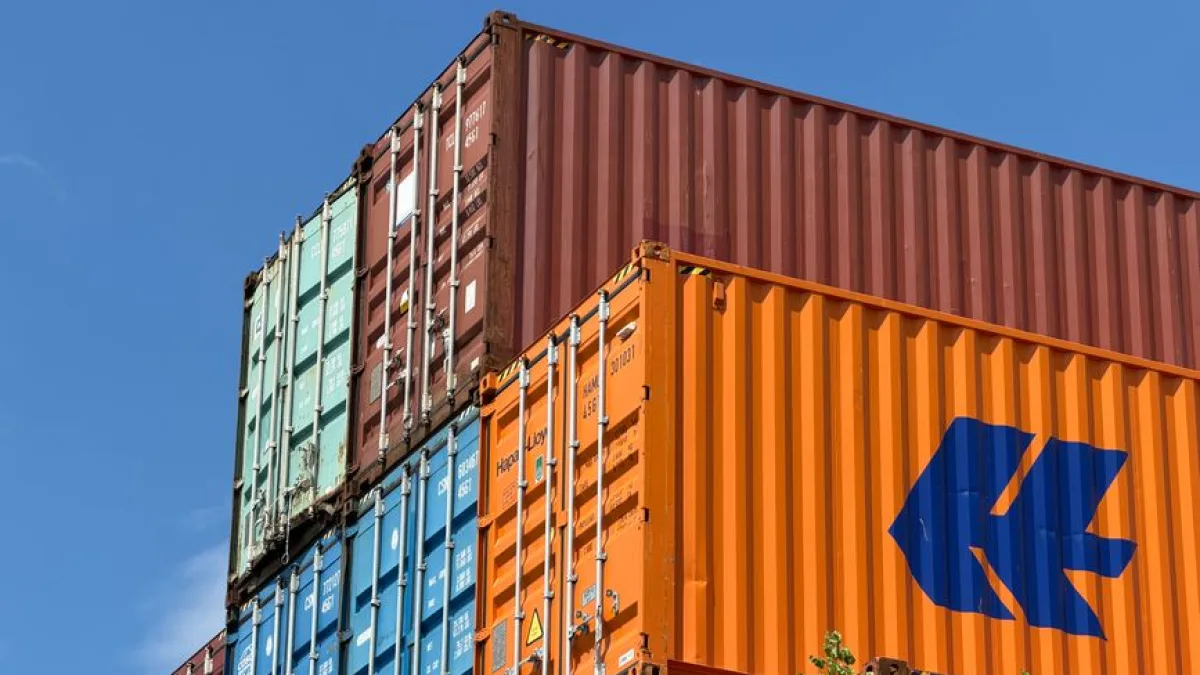
Connecting various systems allows forwarders to bridge the gap between fragmented software modules. By integrating your core operations with external carriers and custom portals, you create a synchronized environment where data flows without manual entry, reducing human errors significantly for everyone.
- Eliminate manual entry: Automated data synchronization ensures that information captured once is available everywhere in the platform, which effectively removes the risk of costly typos and duplicate records for your staff.
- Centralized data access: Having a single source of truth allows your team to access shipment details from anywhere, improving internal communication and client responsiveness during complex international shipping projects.
- Real-time synchronization: Cloud platforms provide instant updates across your entire network, ensuring that all partners see the latest status changes immediately without having to request manual status updates.
- API-driven workflows: Modern application programming interfaces allow your software to talk to external partners and carrier systems, creating an automated pipeline that accelerates your daily documentation and tracking.
Achieving this level of integration requires a strategic approach to selecting the right tools. When your systems speak the same language, you save hours of labor every week that would otherwise be spent on administrative overhead. This shift allows your team to focus on high-value tasks like customer service and sales growth rather than fixing basic data discrepancies across multiple disconnected legacy software programs.
Enhancing Visibility Across Global Trade
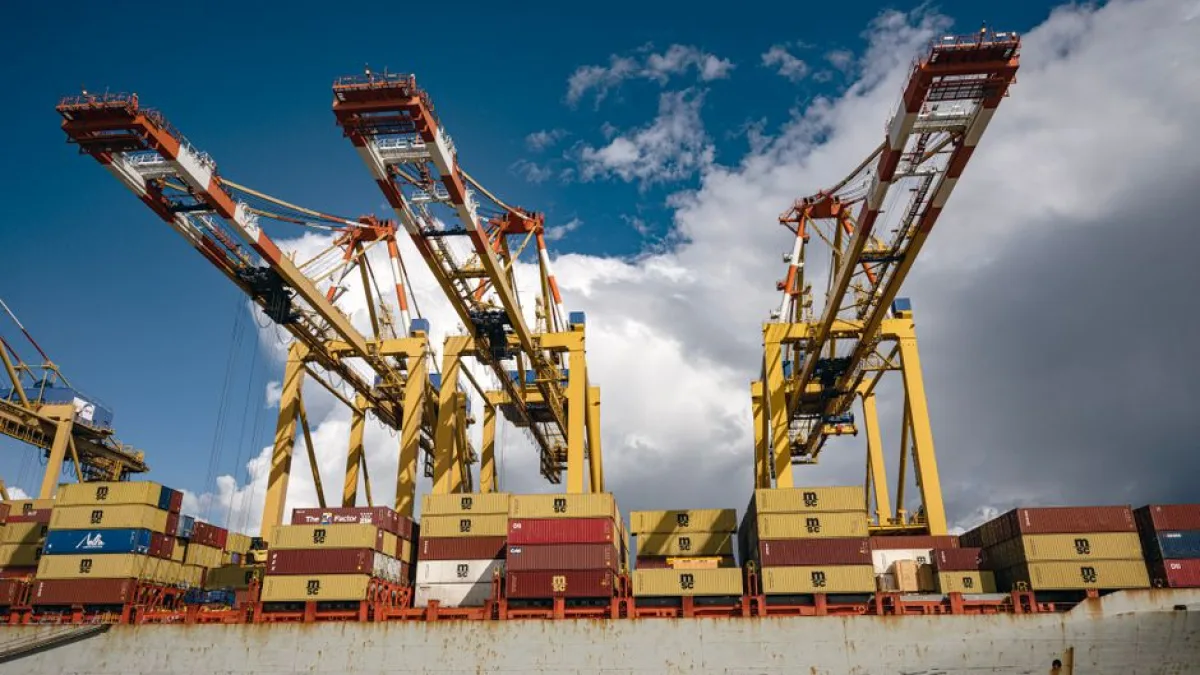
Visibility remains the most critical factor for shippers who demand accurate tracking and proactive notifications. Advanced integrations allow freight forwarders to pull live telemetry data into their own portals, providing clients with the granular shipment information they expect today.
- Live tracking feeds: Direct connections with ocean and air carriers allow your software to display live positions, reducing the number of manual status queries your team must process daily.
- Automated status alerts: Configure your platform to trigger automatic emails or notifications when a shipment hits a milestone, keeping your customers informed without needing manual intervention from agents.
- Proactive issue detection: Predictive analytics tools alert your staff to potential delays or port congestion long before they impact your clients, allowing for faster problem solving and recovery.
- Transparency for clients: Empower your customers with a secure web portal where they can view live progress, helping you build trust through consistent and reliable data sharing.
By offering superior visibility, you transform from a standard vendor into a strategic partner for your clients. This transparency builds long-term loyalty and reduces the time your support team spends on repetitive status requests. When your clients can see the progress of their cargo independently, your business gains the capacity to scale operations without increasing your headcount proportionally to your volume.
Streamlining Documentation and Compliance

Managing global trade documentation requires extreme precision to avoid heavy fines and cargo delays at borders. Cloud integrations simplify this by automatically pulling data from your shipments into standard customs templates and shipping labels with perfect accuracy.
- Automated document creation: Systems now generate complex shipping documents by pulling existing shipment details directly from your database, which eliminates redundant entry and keeps your documentation perfectly consistent.
- Customs compliance checks: Integrated tools can scan your documentation against current global trade regulations, alerting your team to missing information before you submit files to local customs authorities.
- Secure digital storage: Move your entire archive into the cloud, where encrypted storage keeps your sensitive records protected while ensuring they remain accessible for audits and long-term compliance reporting.
- Digital signature integration: Utilize electronic signing tools to expedite the approval process for bills of lading and invoices, significantly reducing the turnaround time for essential operational paperwork globally.
Digital document management changes the speed of your entire operation. Instead of waiting for physical mail or dealing with dozens of email attachments, your staff manages everything within the platform. This transition not only speeds up the release of cargo but also improves your compliance rating with regulators, protecting your company from the risks associated with manual data handling errors and oversights.
Scaling Operations Through Cloud Technology

Scalability is a primary concern for growing freight forwarders who want to expand their reach without excessive infrastructure costs. Cloud-based software offers a flexible model that grows alongside your volume, ensuring that your tech stack never becomes a bottleneck.
- Cloud infrastructure flexibility: Subscription-based platforms allow you to add more users or features as your business expands, ensuring that your investment always matches your current operational requirements and scale.
- Reduced hardware costs: Say goodbye to expensive local server maintenance and IT upgrades, as cloud providers manage the infrastructure, security, and updates for you automatically every single month.
- Mobile-friendly accessibility: Enable your team to manage logistics tasks from any device with a secure internet connection, facilitating remote work or communication from the warehouse or port floors.
- Rapid feature updates: Benefit from ongoing platform improvements and new tools deployed by your software provider, ensuring your business stays ahead of changing industry standards and digital trends.
As you plan for the future, focus on platforms that prioritize modularity and ease of connection. Scalable software prevents you from having to migrate to new systems every few years as your operations grow. By building on a foundation designed for high-volume trade, you position your logistics company to handle larger accounts and more complex supply chains with ease and consistent performance.
Conclusion

Embracing a cloud-integrated future is essential for any forwarder aiming to compete in the modern market. By unifying your data, enhancing visibility, automating complex documentation, and building a scalable foundation, you create a robust business that consistently exceeds client expectations. Now is the time to audit your current technology stack and take the next step toward a more efficient, automated, and truly connected logistics operation.