Modernizing Freight Operations with Advanced Cloud Integrations
Thursday, September 10 2026
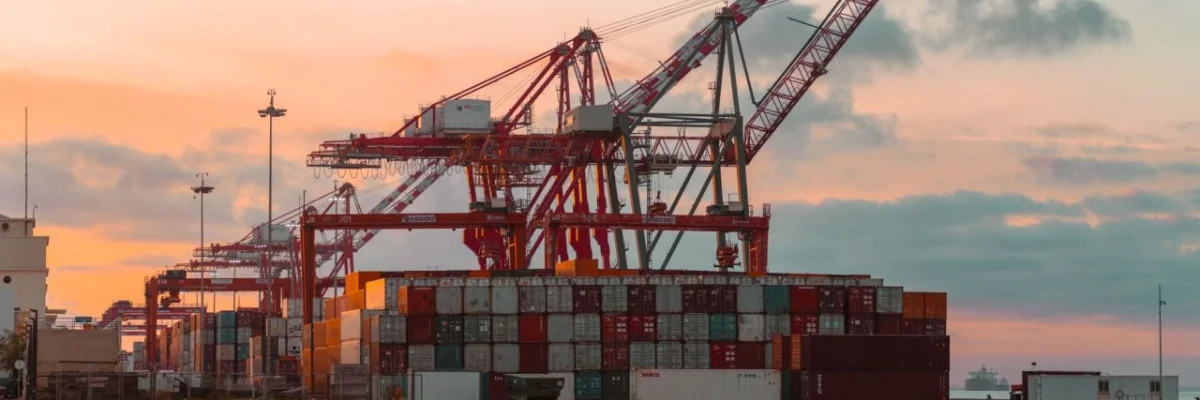
The global logistics landscape is undergoing a massive transformation as freight forwarders shift away from manual processes toward unified digital ecosystems. In an era where supply chain visibility and speed are the primary competitive advantages, the adoption of cloud-based freight forwarding software has become essential. By breaking down data silos and connecting disparate systems through robust integrations, companies can finally achieve real-time operational efficiency. This article explores how strategic technology choices help professionals navigate market volatility, improve client transparency, and maintain lean workflows while scaling their business operations in an increasingly complex and demanding international trade environment.
Optimizing Data Exchange
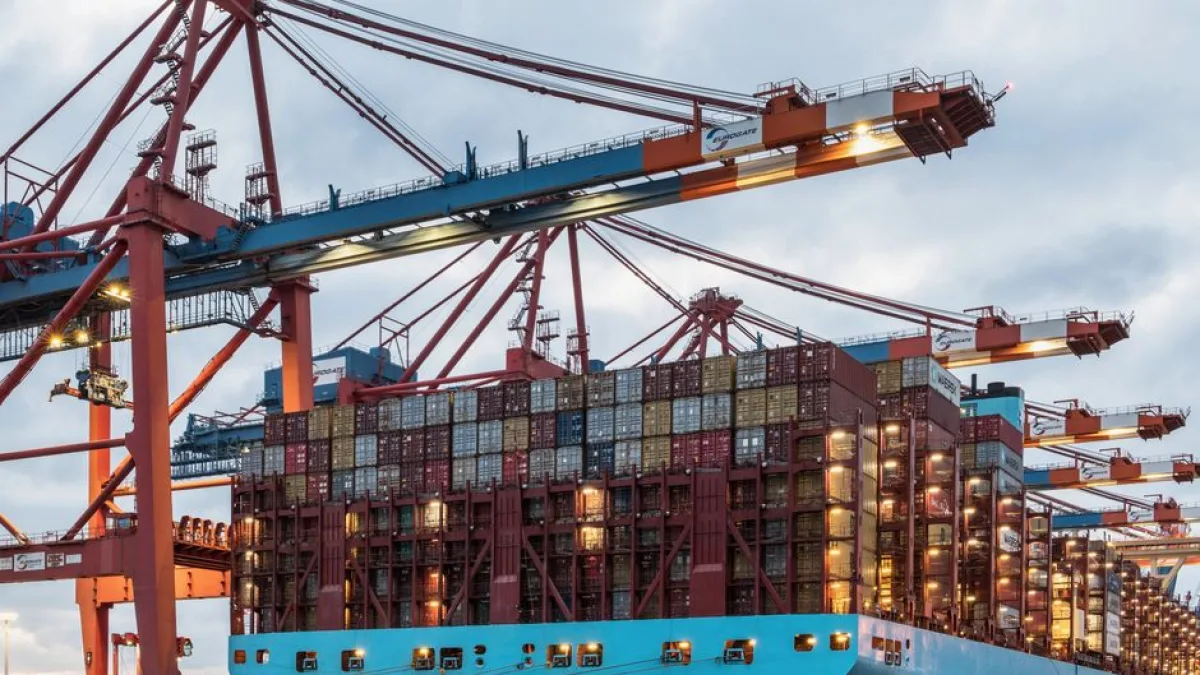
Seamless data flow is the heartbeat of modern logistics, allowing different platforms to communicate without manual intervention. By integrating your core operating system with carrier portals and customs databases, you eliminate redundant data entry and drastically reduce the risk of human error.
- API Connection Benefits: Establishing direct application programming interface links between your platform and carriers ensures that tracking updates and shipping documentation are synchronized across your entire internal network without manual updates.
- Automated Data Validation: Modern software tools automatically verify shipment information against international compliance standards to prevent costly delays at border crossings and ensure that all documentation remains accurate and professional.
- Standardized Messaging Formats: Implementing universal data structures allows your freight management software to parse incoming messages from diverse partners, ensuring that your team sees consistent information regardless of the source.
- Real-time Syncing Cycles: Consistent data synchronization ensures that your customers receive instantaneous updates on their cargo status, which builds trust and improves the overall quality of your logistical service offering.
- Reduced Manual Workload: Eliminating repetitive keyboard tasks allows your staff to focus on high-value activities like relationship management and strategic problem solving rather than administrative data entry and verification.
By prioritizing automated data exchange, forwarders position themselves to handle higher shipment volumes without a proportional increase in administrative overhead. This transition turns your digital infrastructure into a powerful asset that supports growth while maintaining strict operational accuracy. As global trade standards evolve, your ability to integrate these systems will define your capacity to survive and thrive in this highly competitive industry.
Enhancing Supply Chain Visibility

Achieving total visibility requires more than just internal tracking tools, it demands a cohesive view of the entire movement. Integrating IoT sensors and GPS trackers into your dashboard provides a live window into cargo conditions and geographic location.
- Global Tracking Integration: Connecting your dashboard to global tracking systems provides granular updates on vessel movements, allowing you to proactively manage exceptions before they escalate into significant delays for clients.
- Predictive Arrival Forecasting: Advanced algorithmic models analyze historical data and current transit conditions to provide your clients with accurate estimated arrival times, improving their ability to plan local distribution.
- Proactive Exception Alerts: Automated triggers notify your operations team the moment a shipment deviates from its planned path, enabling faster corrective actions to minimize the impact on your final delivery.
- Enhanced Client Dashboards: Sharing integrated tracking data through client portals reduces the volume of status inquiries your team receives, allowing for more productive communication regarding complex logistical challenges.
- Temperature Monitoring Links: Integrating cold chain sensor data ensures that perishable cargo remains within safe parameters, providing an audit trail that guarantees quality standards and regulatory compliance for medical goods.
Visibility serves as the foundation for customer loyalty in the freight industry. When forwarders can prove that they monitor every movement with precision, they transform from simple service providers into trusted supply chain partners. Relying on integrated intelligence rather than guesses gives your team the confidence to make quick decisions, ensuring that every shipment is managed with the highest level of professional care.
Automating Financial Workflows

Financial reconciliation often serves as the biggest bottleneck in logistics companies, but integrated billing systems can streamline your cash flow significantly. Linking freight software with accounting platforms ensures that every shipment triggers accurate and timely invoicing cycles.
- Unified Invoicing Systems: Connecting operational data directly to your accounting suite ensures that invoices are generated instantly upon proof of delivery, which accelerates your payment cycles and improves overall cash flow.
- Automated Currency Conversion: Smart software tools handle complex multi-currency calculations automatically based on real-time market rates, ensuring that your financial reporting remains accurate even when dealing with diverse international partners.
- Vendor Reconciliation Tools: Automated matching of supplier invoices against your internal shipment records helps to catch billing discrepancies early, preventing overpayments and simplifying the monthly closing processes for your team.
- Integrated Payment Gateways: Facilitating digital payment options through your portal makes it easier for your customers to settle their accounts, reducing the time your finance team spends chasing down late payments.
- Audit Trail Transparency: Maintaining a digital record of all financial transactions within your software provides a clear audit trail that simplifies tax reporting and demonstrates financial compliance to external regulators.
Efficient financial operations are just as important as the physical movement of cargo. By automating the link between operational milestones and accounting entries, your business gains a clearer picture of profitability at the individual shipment level. This level of financial control provides the insights necessary to make smarter pricing decisions, optimize your margins, and keep your company in a strong fiscal position.
Strengthening Regulatory Compliance

Navigating the maze of international trade regulations requires a robust digital strategy that ensures no detail is overlooked. Integrations with global customs databases and compliance software provide your team with the latest trade requirements for every country in your network.
- Automated Compliance Checking: Software integrations scan your shipment data against restricted party lists and current trade sanctions, ensuring that your company never inadvertently violates international laws or complex local regulations.
- Electronic Document Filing: Filing declarations directly from your software platform minimizes errors associated with manual submissions and ensures that all necessary customs documentation is processed in a timely, secure, and accurate manner.
- Regulatory Update Notifications: Automated feeds provide your team with instant alerts regarding changes in trade policies or new documentation requirements, helping you stay ahead of potential disruptions at global ports.
- Archival Record Management: Secure, cloud-based storage of all historical documentation ensures that your company is always prepared for regulatory audits or client inquiries regarding past shipments or transit routes.
- Standardized Filing Procedures: Using pre-built templates for international customs forms ensures consistency across your documentation, reducing the likelihood of rejected entries and improving the speed of your border crossing operations.
Compliance is a non-negotiable aspect of the freight forwarding business that requires constant vigilance. By leveraging integrated technology, you reduce the reliance on manual knowledge and ensure that your entire team follows best practices by default. This systematic approach to trade compliance protects your reputation and prevents costly legal issues, allowing you to focus your energy on expanding your market reach and services.
Conclusion

Integrating your freight forwarding software is the definitive way to future-proof your business in a competitive global market. By connecting your operations, finance, and compliance workflows, you foster an environment of efficiency and transparency. Start auditing your current manual processes today to identify where software integrations can save time. MakeCargo offers the tools you need to build a truly connected, modern logistics enterprise.