Modernizing Freight Operations with Advanced Cloud Integrations
Sunday, October 18 2026

The global logistics landscape is undergoing a massive transformation driven by rapid technological adoption and the shift toward digital ecosystems. Freight forwarders are increasingly moving away from legacy systems that rely on manual data entry toward agile cloud-based platforms. These modern solutions offer unprecedented visibility, real-time connectivity, and improved operational efficiency across international supply chains. By integrating diverse software tools into a unified interface, professionals can eliminate communication silos and reduce costly errors. Embracing this digital transition is no longer just a competitive advantage but a necessity for forwarders aiming to thrive in an increasingly interconnected and complex global trade environment.
Seamless Data Synchronization
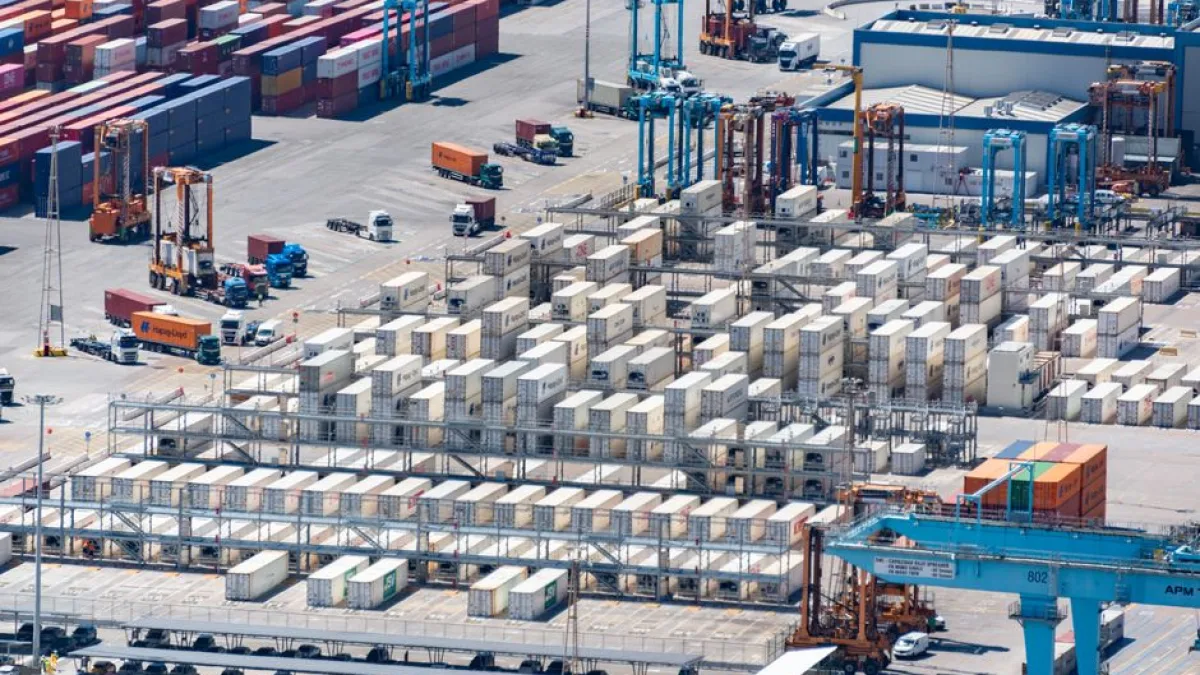
Automated data flows represent the backbone of efficient logistics management. By connecting disparate software systems, forwarders ensure that critical shipment details remain consistent across every platform used by their partners, agents, and clients throughout the entire lifecycle of a shipment.
- Eliminate manual entry: Automated synchronization removes the need for repetitive typing, significantly reducing the probability of human error that often leads to costly documentation delays and customs penalties.
- Standardize information formats: Integration tools convert varied data inputs into a single, uniform format that your internal systems can process instantly without requiring extensive manual reconciliation efforts.
- Real-time updates: Connected systems push status updates directly to your dashboard as soon as they occur, ensuring your team has the most accurate shipment information available.
- Error tracking alerts: Modern platforms detect inconsistencies in documentation instantly, sending notifications to your staff so they can resolve potential compliance issues before cargo movement begins.
Achieving total data synchronization transforms how your team interacts with day to day tasks. Instead of jumping between multiple websites and email threads, staff can manage everything from a centralized cloud interface. This shift not only accelerates processing times but also builds trust with your customers by providing accurate, timely information that simplifies their own supply chain management and inventory planning processes effectively.
Enhanced Supply Chain Visibility

Visibility acts as the lifeblood of modern freight forwarding services. Providing clients with live tracking and predictive insights allows businesses to manage exceptions proactively, ensuring that goods move efficiently even when unforeseen challenges arise across global transportation networks today.
- Predictive delay tracking: Advanced algorithms analyze transit data to predict potential bottlenecks before they happen, allowing you to suggest alternative routes to your clients well in advance.
- End-to-end tracking: Integrated sensors and software provide a complete view of cargo from the warehouse floor to the final destination, capturing milestones at every single touchpoint.
- Client portal access: Empower your customers with a branded self-service portal where they can view live updates, download shipping documents, and manage their logistics orders independently.
- Custom notification triggers: Set up automated alerts for specific transit events, ensuring that all relevant stakeholders are informed immediately whenever a shipment status changes during transit.
Increasing visibility does more than satisfy customer curiosity. It fundamentally changes the relationship between a forwarder and their client by shifting the focus from crisis management to strategic planning. When customers have access to precise data, they can optimize their inventory levels and shipping schedules. This transparency turns a standard shipping service into a high value partnership that drives long term retention.
Streamlined Document Management

Handling thousands of documents every month creates significant overhead for freight forwarders. Moving these workflows to a cloud based environment minimizes the clutter while ensuring that essential documents like bills of lading and commercial invoices are easily accessible.
- Instant cloud storage: All shipment documents are saved to a secure central repository, making them accessible to authorized team members from any location with internet access.
- Digital signatures integration: Reduce turnaround times by utilizing integrated e-signature tools that allow partners and clients to sign off on critical paperwork without printing files.
- Version control systems: Automated tracking ensures that your team always works with the latest document version, preventing confusion caused by outdated files shared via email.
- Automated archiving rules: The system automatically categorizes and stores historical documents based on your company protocols, simplifying the audit process during busy annual review periods.
Effective document management acts as a safeguard against compliance risks and operational bottlenecks. By digitizing every aspect of your paperwork flow, you minimize the risk of losing vital records or missing regulatory deadlines. This streamlined approach allows your employees to focus on delivering high-quality customer service rather than searching through physical filing cabinets or cluttered digital folders during peak transit periods.
Scalable Tech Infrastructure

Scalability remains a critical requirement for any growing logistics business. Choosing a flexible software architecture allows your company to expand into new markets or handle increased shipping volumes without needing to overhaul your entire existing technology stack frequently.
- Modular software expansion: Add new functionalities and features to your existing platform as your business needs evolve, avoiding the complexity of replacing your entire core system.
- Multi-user scalability: Cloud platforms support hundreds of concurrent users without experiencing performance degradation, ensuring that your global team stays productive regardless of their current location.
- Fast onboarding tools: Integrated training features and intuitive user interfaces allow you to bring new staff members up to speed on your digital workflows in hours.
- Global network integration: Easily connect with international agents and local carriers through standardized APIs, broadening your operational reach without increasing your internal administrative burden significantly.
Investing in scalable infrastructure provides the agility necessary to survive in a volatile global market. As shipping demands fluctuate throughout the year, your cloud software adapts automatically to handle the pressure. This resilience prevents system crashes during high-traffic seasons and allows your business to pursue new growth opportunities with the confidence that your technology will support every step of the journey.
Conclusion
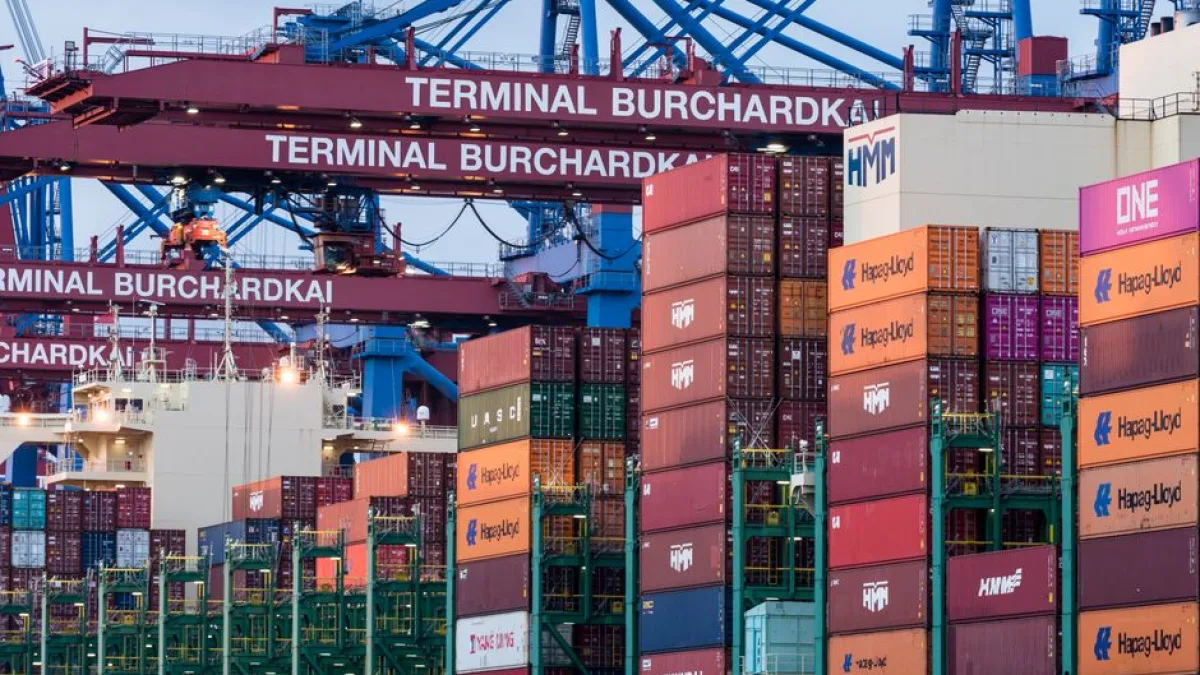
The integration of advanced technology is no longer a luxury but a fundamental requirement for forwarders aiming to maintain a competitive edge. By prioritizing cloud-based platforms, you can enhance visibility, streamline documentation, and foster better collaboration across your entire network. MakeCargo supports these goals by providing the tools you need to build a resilient and efficient future for your logistics business.