Modernizing Logistics: Why Your Freight Agency Needs a Customer Portal
Friday, September 4 2026
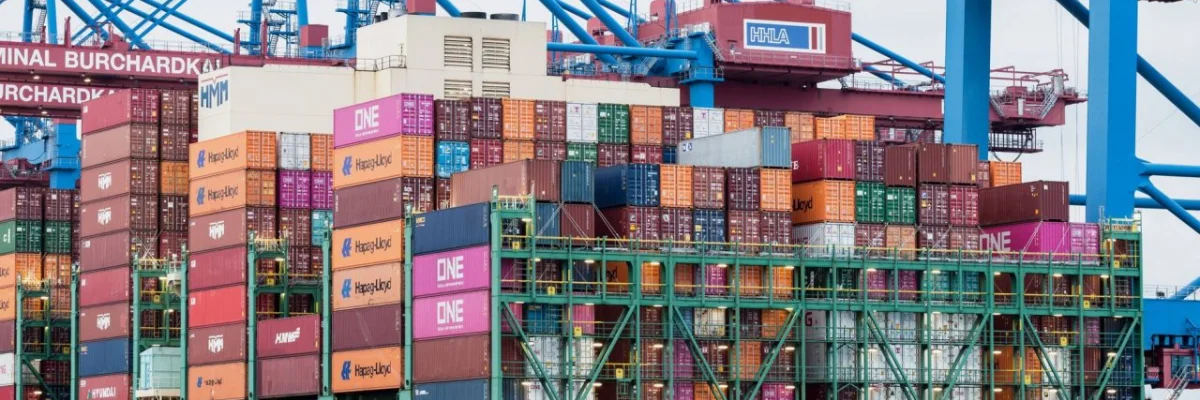
In the fast-paced world of international trade, freight forwarders are constantly seeking ways to enhance transparency and build stronger client relationships. Manual updates, scattered email chains, and disconnected spreadsheets are quickly becoming relics of the past. By adopting a dedicated customer portal, logistics providers can provide 24/7 visibility into shipments, simplify document management, and automate routine communication. This digital transformation not only boosts operational efficiency but also distinguishes your agency in a crowded market. Moving to a cloud-based solution ensures that your clients stay informed, empowered, and satisfied, ultimately driving long-term loyalty and sustainable business growth for your logistics enterprise.
Real-Time Shipment Visibility
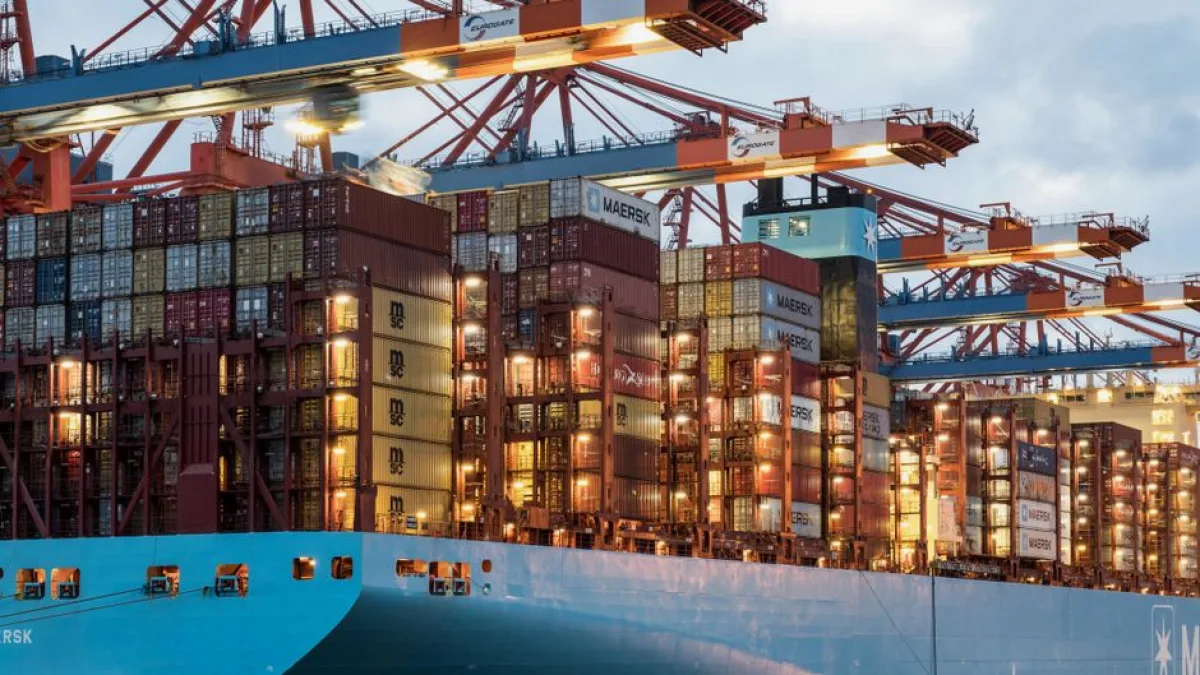
Providing your clients with immediate access to tracking data eliminates the need for repetitive manual inquiries. By centralizing shipment updates, you remove bottlenecks and ensure that stakeholders have a clear view of their supply chain status around the clock.
- Live Status Updates: Clients can view the exact geographic location and current status of their cargo without needing to contact your team for manual status checks via email.
- Automated Milestone Alerts: The system sends proactive notifications to customers whenever a shipment hits a critical stage, such as customs clearance or final delivery at the warehouse.
- Comprehensive Tracking History: A complete audit trail of every milestone is archived within the portal, allowing for easy historical analysis and improved transparency for future logistical planning.
- Integrated Map Views: Visual dashboards provide an intuitive way to track global vessel movements, helping clients prepare their warehouse staff for upcoming arrival times with higher precision.
Empowering your clients with self-service visibility reduces the administrative burden on your staff significantly. When customers can find answers on their own, your team gains valuable time to focus on complex operational tasks rather than simple status requests. This shift towards digital self-sufficiency fosters a professional reputation for reliability and technological maturity that clients demand in the modern global shipping industry today.
Streamlined Document Management

The exchange of bills of lading, commercial invoices, and packing lists is often slow and prone to errors. Centralizing these documents in a secure portal allows for seamless retrieval, editing, and storage for all parties involved in the process.
- Secure Document Vault: Every essential shipping document is encrypted and stored in a centralized location, ensuring that sensitive information remains protected while being accessible for authorized users.
- Easy File Sharing: Clients can upload or download necessary paperwork directly from the interface, which eliminates the common frustrations associated with large, blocked email attachments and versioning.
- Automated Filing Systems: Documents are automatically categorized by shipment reference numbers, making it incredibly simple for both forwarders and customers to locate specific files at any time.
- Digital Approval Workflows: Stakeholders can review and sign critical documents electronically within the portal, which drastically accelerates the pace of customs documentation and reduces processing delays.
Effective document management is the backbone of any successful freight operation. By digitizing these manual workflows, you eliminate the risk of misplaced paperwork and ensure that your entire team operates from a single source of truth. Clients appreciate the ease of finding their invoices and shipping manifests instantly, which contributes to a more professional experience that keeps your agency top of mind.
Interactive Client Communication
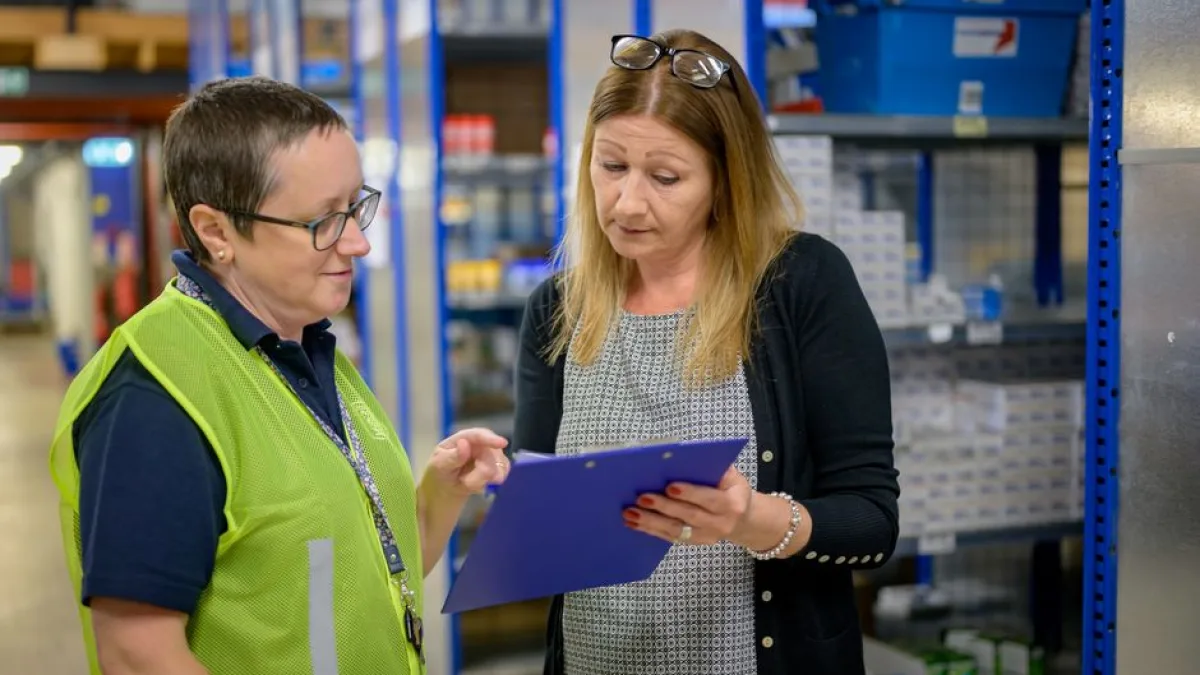
Breaking down communication silos is essential for modern freight forwarding. A portal allows for direct messaging tied to specific shipments, ensuring that all correspondence is relevant, archived, and easy for your team to manage effectively for clients.
- Shipment Specific Chats: Users can post questions or comments directly on the shipment page, ensuring that context is never lost during long conversations about complex cargo movements.
- Centralized Activity Logs: Every interaction between your team and the client is recorded in the system, providing a clear history that helps in resolving potential future disputes.
- Instant Notification Feeds: The portal pushes updates to user dashboards instantly, keeping all stakeholders aligned on requirements, changes, or urgent requests regarding their freight and shipping schedules.
- Improved Response Times: By keeping discussions organized, your staff can respond to customer inquiries faster, ensuring that no message goes unnoticed or buried in a busy inbox.
Fostering proactive communication transforms your relationship with clients from reactive service to a strategic partnership. When information flows freely and clearly through a structured portal, your customers feel more connected to your services and confident in your ability to manage their supply chain. This transparency reduces uncertainty, builds deep trust, and sets the stage for a lasting business relationship defined by reliability.
Enhanced Reporting and Analytics

Data is the most valuable asset in modern logistics. A robust customer portal enables forwarders to present performance metrics and shipment trends to clients in an easy-to-understand format that highlights your value and operational efficiency.
- Customizable Performance Dashboards: Provide clients with tailored visual reports that display key performance indicators such as transit times, cost breakdowns, and overall carrier reliability over time.
- Data-Driven Insights: Use the portal to share analytical reports that help clients identify potential weaknesses in their supply chain and optimize their shipping strategies for future.
- Exportable Financial Reports: Clients can pull their own financial summaries and invoice history reports, which simplifies their internal accounting processes and reduces their dependency on your staff.
- Comparative Shipping Analysis: Allow customers to compare different routes or service types directly within the portal, empowering them to make informed decisions that save time and costs.
Data-driven reporting elevates your service from a mere commodity to an essential business intelligence tool for your clients. By demonstrating the value you provide through clear, actionable insights, you secure your position as a key partner in their success. This high-level reporting keeps your customers informed about their logistics performance and reinforces the return on investment they get from working with you.
Conclusion

Implementing a customer portal is a transformative step that modernizes your freight forwarding operations and elevates the client experience. By providing transparency, digital document control, and clear communication, you set your agency apart from traditional competitors. Start optimizing your workflows today to build stronger partnerships, drive operational efficiency, and position your brand as a technology leader within the global logistics and transportation industry.