Modernizing Logistics: Why Your Freight Agency Needs a Customer Portal
Monday, September 14 2026

In the fast-paced world of international trade, freight forwarders are constantly seeking ways to improve operational efficiency and client satisfaction. Manual communication methods like endless email chains and phone calls are quickly becoming obsolete in favor of digital solutions. By implementing a dedicated customer portal, your agency can provide clients with 24/7 visibility, real-time data access, and automated document management. This shift not only reduces the administrative burden on your internal team but also builds deep trust with your shippers. Embracing digital transformation through a professional portal is no longer a luxury but a fundamental necessity for sustainable growth.
Boosting Client Transparency Through Visibility
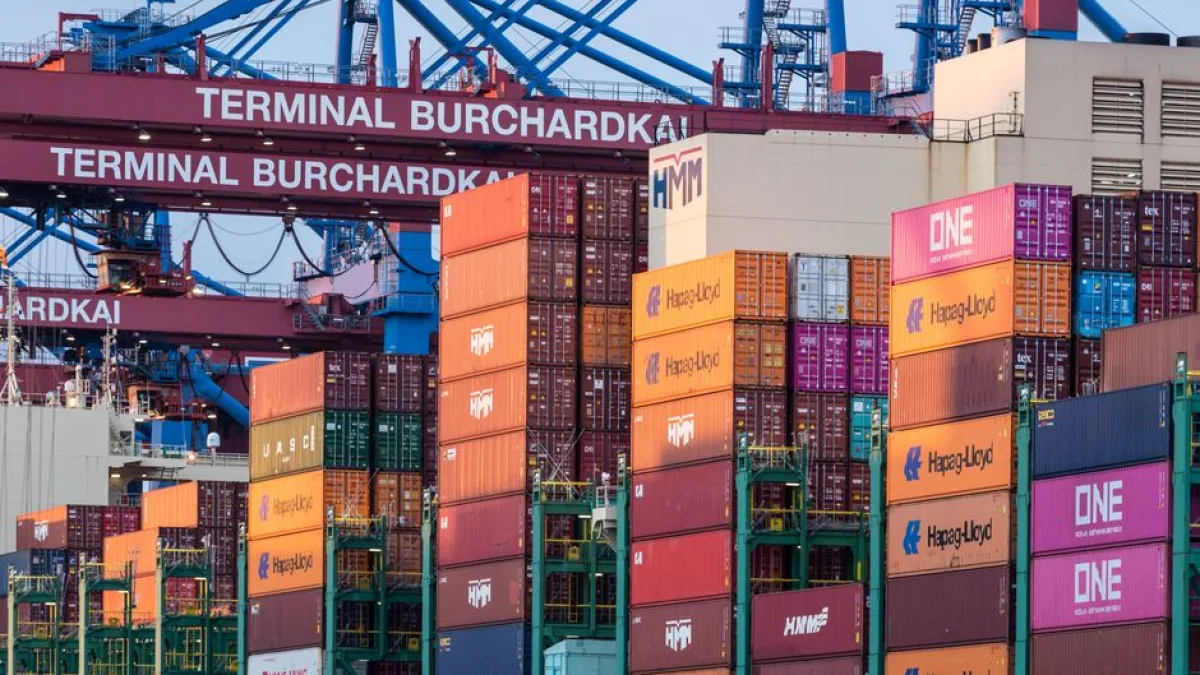
Providing clients with a clear window into their supply chain is the most effective way to eliminate uncertainty. Modern portals act as a central hub where stakeholders can track live shipment statuses without waiting for manual updates from your team.
- Real time tracking: Clients gain instant access to accurate location data for every active shipment, reducing the volume of status inquiries that hit your customer service inbox daily.
- Milestone alerts: Automated notifications keep your customers informed at every critical juncture of the transit process, ensuring they stay proactive regarding their own internal warehouse inventory plans.
- Global map visualization: Interactive maps allow users to see exactly where cargo is located, creating a visual sense of security and professional reliability for your diverse client base.
- Status update logs: Detailed logs provide a transparent history of every movement, preventing disputes by documenting exactly when cargo reached specific ports or customs clearance points.
When clients can see exactly where their goods are at any moment, the perceived value of your service increases significantly. This visibility reduces friction and allows your staff to focus on solving complex logistical problems rather than answering basic status questions. By offering this clarity, you empower your clients to make faster decisions and improve their own operations while strengthening your partnership for the long term.
Centralizing Document Management and Sharing

Managing countless files across various platforms is a major source of frustration for freight forwarders. A secure portal consolidates all shipping documents, ensuring that invoices, proofs of delivery, and custom forms are always available in one single location.
- Automated file storage: Documents are automatically categorized and stored within the relevant shipment file, eliminating the risk of losing important paperwork in crowded email folders or messy desktops.
- Secure digital access: Clients can retrieve necessary invoices or certificates at any time, which helps them streamline their own accounting processes and reduces their reliance on your support.
- Version control systems: Advanced portals maintain strict version control, ensuring that all parties are always working from the latest document version without any risk of dangerous confusion.
- Downloadable report exports: Users can export comprehensive reports for their quarterly reviews, providing them with the data they need to analyze shipping costs and overall performance trends.
Centralized document management changes the way your office operates by removing the chaos of manual filing. When everything is organized and indexed correctly, your team spends less time searching for files and more time adding value to customer relationships. This structured approach to information handling ensures compliance, speeds up invoicing cycles, and positions your agency as a tech forward leader in the logistics industry.
Enhancing Communication and Collaboration Efficiency

Communication should be seamless and context-aware. A dedicated portal replaces messy email threads with a structured messaging system, allowing clients to discuss specific shipments directly within the relevant digital interface for improved clarity and faster issue resolution.
- Shipment specific chat: Messaging features allow for comments tied directly to a shipment, ensuring that all correspondence remains organized and easily searchable for future audit or reference.
- Direct task assignment: Users can create specific requests or tasks through the portal, which automatically routes them to the appropriate department within your freight forwarding agency team.
- Instant notification system: Push notifications or emails alert your staff immediately when a client updates a request, ensuring that no communication falls through the cracks during transit.
- Contextual file attachments: You can share high resolution photos of damaged cargo or specific custom forms directly in the chat, keeping all relevant visual evidence in one place.
Improving collaboration leads to fewer errors and much faster response times for your clients. By keeping the conversation inside the portal, you create a permanent record of decisions and agreements, which protects both your agency and the client. This structured method of interaction minimizes misunderstandings and demonstrates a high level of professionalism that sets your services apart from competitors relying on basic email.
Scaling Operations Through Automated Workflows
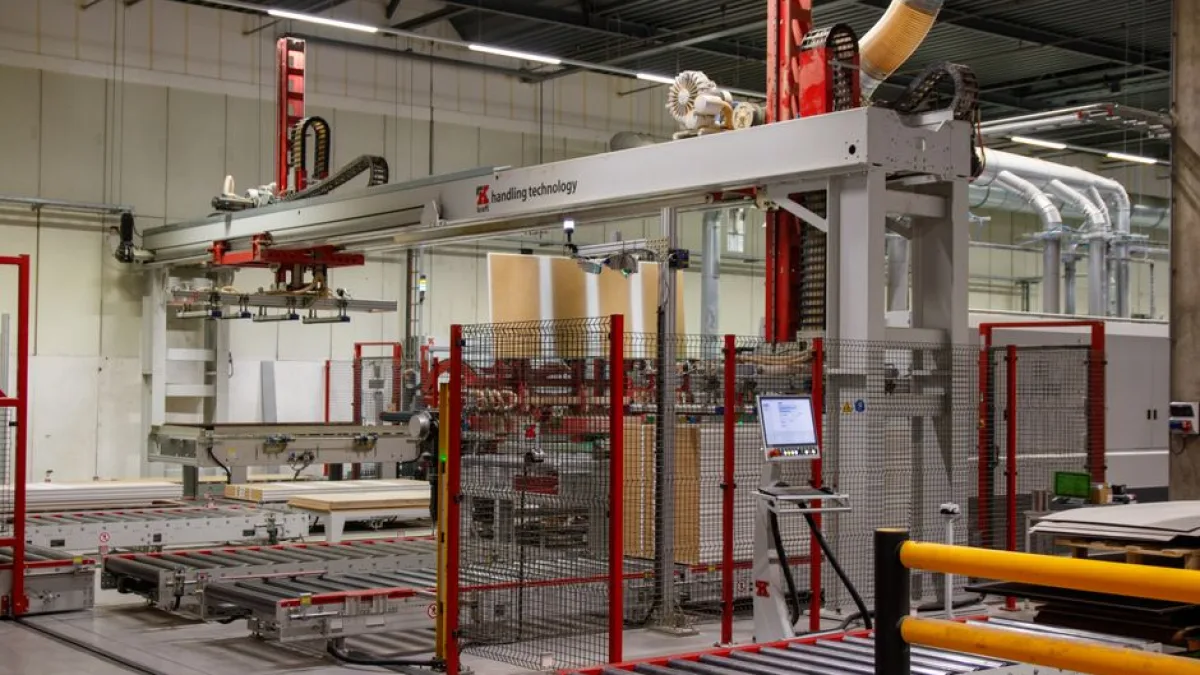
Automation is the secret weapon for scaling a freight forwarding business without adding excessive headcount. A high-quality portal allows you to automate repetitive tasks, such as generating quotes or confirming bookings, which frees your team to focus on business growth.
- Instant quote generation: Clients can input their cargo details and receive immediate, accurate quotes, which significantly increases your conversion rate for new logistics business opportunities across the board.
- Simplified online booking: The self-service booking feature allows your customers to secure their space on ships or planes at their convenience, even outside of normal business office hours.
- Automated status triggers: The system can be configured to trigger emails or updates based on specific supply chain events, removing the need for manual data entry and intervention.
- Integrated payment portals: Allow your clients to pay invoices directly through the portal, which speeds up your cash flow and reduces the time spent on chasing outstanding accounts.
Automation does not mean losing the personal touch. Instead, it allows your staff to work more efficiently, providing high-level support where it really matters while the software handles the mundane, repetitive tasks. As you integrate more automation into your customer portal, your agency becomes capable of managing higher shipping volumes with greater precision, reliability, and speed than ever before in today's market.
Conclusion

Investing in a robust customer portal is the most impactful decision a freight forwarder can make today. It streamlines communication, organizes documents, and provides the visibility that modern shippers demand. By migrating to a digital platform, you position your agency for long-term growth and higher client retention. Start your journey toward a more efficient, tech-driven future today by choosing the right software solution.