Modernizing Logistics: Why Your Freight Agency Needs a Customer Portal
Tuesday, September 22 2026
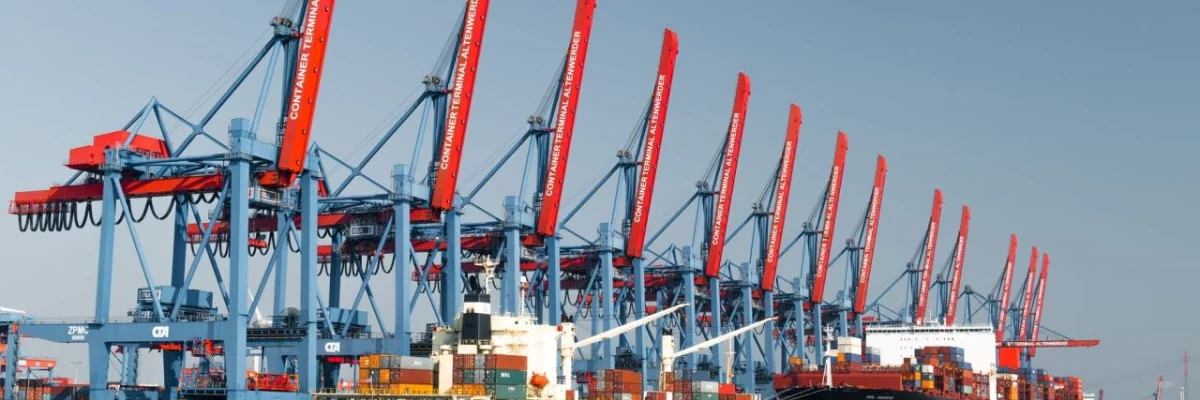
In the fast-paced world of international trade, freight forwarders are constantly seeking ways to differentiate their services in a saturated market. A dedicated customer portal represents the most effective tool for enhancing client retention and operational efficiency. By providing shippers with a centralized dashboard to track cargo, download critical documents, and communicate in real time, you move beyond the limitations of traditional email exchanges. Embracing digital transformation through a professional portal allows your team to focus on high-value logistics challenges while granting your clients the transparency and autonomy they now expect from modern logistics providers.
Boosting Client Transparency
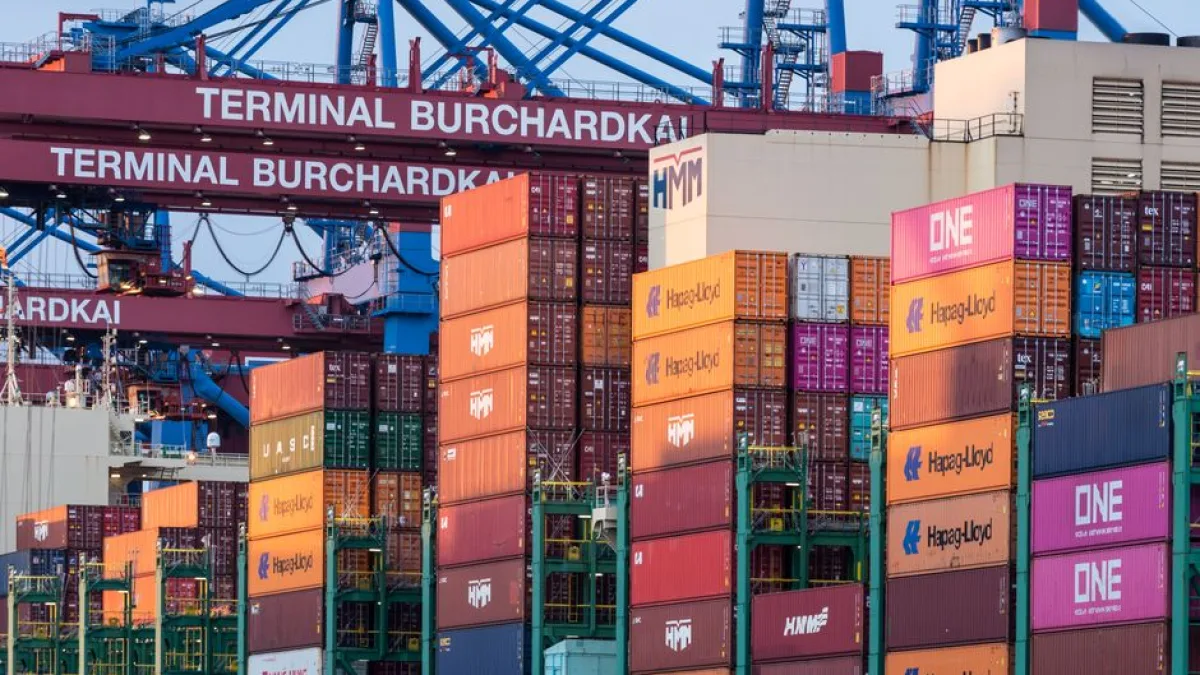
Transparency is the bedrock of trust in the freight industry today. By giving your clients direct access to their shipment data, you eliminate the constant ping-pong of status update emails and foster a professional environment based on verifiable information.
- Real time tracking: Clients gain instant visibility into shipment milestones, allowing them to proactively manage their supply chain expectations without having to contact your operations team for simple status checks.
- Document access hub: All essential paperwork like bills of lading and commercial invoices remain stored in a secure cloud location, accessible whenever your customers need to reference specific records.
- Automated status alerts: Configure system notifications that trigger updates automatically, ensuring your customers stay informed about delays or departures as they happen without manual intervention from your logistics staff.
- Detailed visual dashboards: Use interactive charts to display key performance indicators, providing your clients with an overview of their annual shipping volume and performance trends across various trade lanes.
Empowering clients with self-service tools reduces their reliance on your support team for routine inquiries. This shift in workflow allows your staff to dedicate their time toward solving complex logistical issues or sourcing better rates for your high-value accounts. When information flows freely and accurately through a secure portal, you build a foundation of long-term loyalty that survives the competitive nature of global freight.
Streamlining Communication Channels

Traditional email threads often result in fragmented information and lost attachments. A portal centralizes all project-related communication, ensuring that every stakeholder has access to the most current correspondence and files related to their ongoing freight shipping activities.
- Centralized message threads: Consolidate all shipment inquiries within the portal interface to prevent critical information from being buried in overflowing email inboxes or getting lost during shift changes.
- Secure document sharing: Manage sensitive cargo documents through a protected portal environment, which minimizes the risk of accidental exposure compared to sending unencrypted files through standard electronic mail systems.
- Direct team access: Link specific shipments to the assigned logistics coordinators, giving clients a clear path to reach the right expert for their immediate questions or concerns.
- Version control history: Keep a transparent record of all document revisions and updates to ensure that every participant is working with the latest iterations of essential customs paperwork.
Optimizing how you communicate with clients is essential for scaling your freight forwarding operations effectively. By keeping dialogue within the platform, you maintain a searchable audit trail that benefits both your internal teams and external customers. This level of clarity minimizes confusion during busy shipping seasons and ensures that your reputation as a reliable and organized logistics partner remains consistent and intact.
Optimizing Workflow Efficiency

Automating repetitive tasks allows your agency to handle larger volumes of cargo without increasing the size of your staff. A robust customer portal simplifies data entry and error correction, leading to significant improvements in your total operational productivity levels.
- Self service booking: Allow existing clients to initiate booking requests directly through the portal, which automatically populates your back office system and minimizes the manual data entry requirements.
- Template based forms: Enable users to save recurring shipment configurations as templates, significantly speeding up the creation of new booking requests for frequent origin and destination pairs.
- Validation logic checks: Implement automated error checking on form submissions to ensure that all required fields are filled correctly before a request reaches your internal operations department.
- Instant quote retrieval: Provide clients with the capability to generate rate estimates based on pre-negotiated contracts, which speeds up the procurement process and closes deals much faster.
Internal processes often bottleneck when staff must manually handle every single shipment request or customer question. A portal transforms your operation by shifting simple tasks to the customer, freeing up hours of labor each week. This creates a lean workflow where errors are minimized and speed is maximized, ensuring that your company can handle business growth without sacrificing the quality of your client service.
Securing Client Loyalty

Retaining clients in the freight forwarding industry requires more than just competitive pricing. A well-designed customer portal acts as a sticky feature that makes your service indispensable, ensuring that customers choose your brand over others for their logistics needs.
- Professional brand presence: Customizing the portal with your agency logo and brand colors reinforces your identity as a modern, technology-forward partner, which increases the perceived value of your services.
- Exclusive client resources: Provide premium content, such as regional market reports or compliance updates, within the portal to keep your customers engaged and informed throughout the business cycle.
- Customized user permissions: Offer flexible account roles so your clients can manage their own teams and control which employees have access to specific sensitive shipping data or records.
- Enhanced data security: Demonstrate your commitment to cybersecurity by utilizing enterprise-grade encryption and secure access protocols, which are vital for protecting your clients' proprietary global trade information.
A customer portal is not just a utility but a powerful retention strategy that differentiates your firm in the market. When clients find it easier to work with you than with your competitors, they are far less likely to switch providers based on minor rate differences. By investing in this technology, you solidify your agency as a high-tech partner essential to your clients success.
Conclusion

Adopting a customer portal is a critical step for freight forwarders aiming to stay competitive in a digital age. By improving transparency, simplifying communication, and boosting internal productivity, you position your agency for sustainable growth. Start leveraging these tools today to provide your clients with the seamless experience they demand while securing your firm's reputation as a leader in the global logistics industry.