Modernizing Logistics: Why Your Freight Business Needs a Customer Portal
Thursday, October 29 2026

In the fast-paced world of international trade, freight forwarders are constantly seeking ways to enhance transparency and improve service delivery for their clients. A customer portal serves as the digital heartbeat of your operation, providing shippers with instant access to their logistics data and shipment milestones. By centralizing communication, document sharing, and status updates, your team can eliminate manual bottlenecks and focus on high-value tasks. Investing in a robust digital gateway not only streamlines your internal workflows but also creates a competitive advantage that fosters long-term loyalty and trust with every client you serve throughout the supply chain process.
Real-Time Shipment Visibility
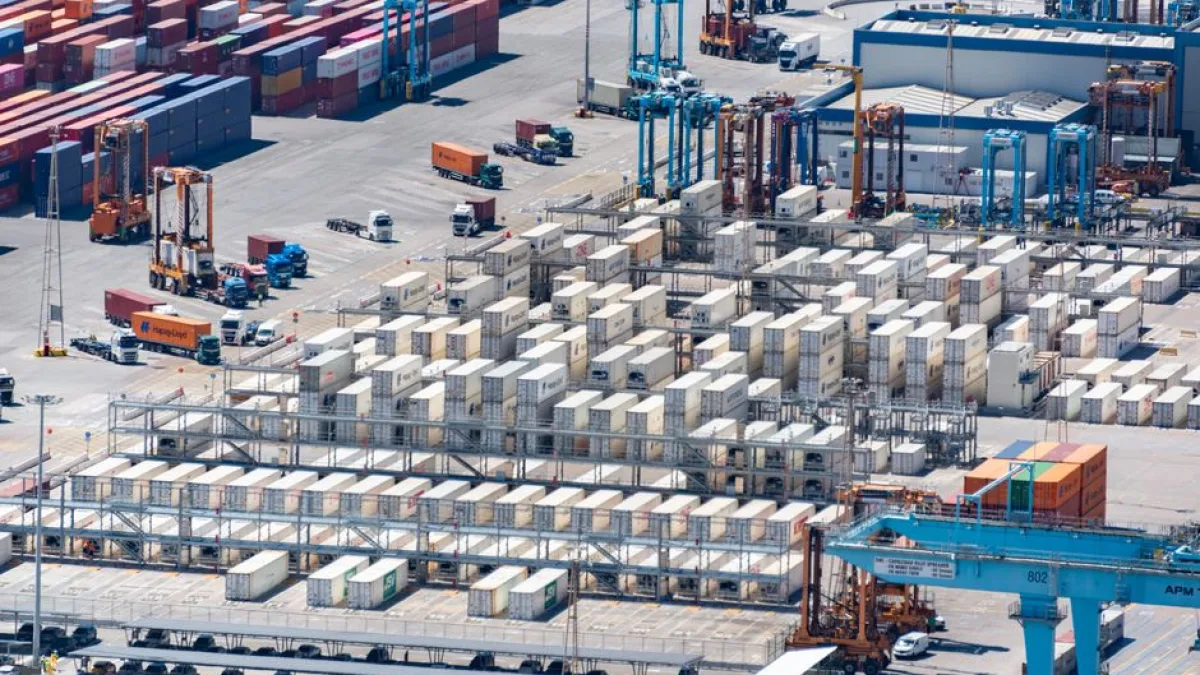
Digital transparency allows clients to monitor their shipments across the globe without needing to call your office for updates. This self-service approach reduces the administrative burden on your staff while simultaneously empowering your customers with accurate data and peace of mind.
- Enhanced tracking transparency: Customers can monitor the movement of their freight in real-time, receiving automated notifications that confirm when cargo moves between transit hubs or arrives at final destination points.
- Reduced support tickets: By providing instant access to location details and vessel schedules, you significantly decrease the volume of routine status inquiries that distract your operations team from critical tasks.
- Improved accuracy levels: Automated data integration ensures that the information viewed by your client is always current and synchronized with live updates from carriers and warehouse management software systems.
- Mobile accessible data: A responsive portal design enables your shippers to check shipment progress from any location, ensuring they stay informed even when they are away from their office desk.
Empowering your clients with real-time tracking is a fundamental shift in how modern freight forwarders operate. By removing the guesswork from the logistics process, you cultivate a sense of reliability and professionalism that distinguishes your company from the competition. As transparency becomes the industry standard, providing these digital tools is no longer optional for businesses that want to sustain growth and satisfy demanding customer expectations today.
Centralized Document Management

Paperwork remains a significant pain point for many freight organizations. A dedicated customer portal replaces fragmented email threads and physical filing systems with a secure, searchable archive for every commercial invoice, packing list, and bill of lading involved in international transport.
- Secure document access: Sensitive shipping documents are stored in a protected digital environment, ensuring that only authorized personnel can view or download critical files related to their ongoing cargo.
- Searchable digital archives: Historical records are easily retrievable through advanced search filters, which saves your staff hours of manual labor when they need to locate past customs entry papers.
- Automated version control: The system ensures that every user interacts with the latest version of shipping documents, preventing costly errors caused by outdated information or mismanaged file sharing processes.
- Simplified document sharing: Collaborators can upload necessary paperwork directly to the portal, streamlining the flow of information between shippers, forwarders, and relevant customs authorities in a secure, transparent, and timely manner.
Optimizing how you handle documentation is essential for maintaining accuracy and compliance in modern logistics. A centralized repository minimizes the risk of lost files and miscommunications that often lead to costly delays at customs. By digitizing your entire document management workflow, you create a more efficient environment that saves time and money for your business while enhancing the overall experience for your global clients.
Streamlined Communication Channels

Efficient communication is the backbone of successful freight forwarding. A portal integrates messaging directly into the shipment file, ensuring that important conversations are saved alongside relevant data, which removes the chaos associated with searching through cluttered email inboxes for past shipping instructions.
- Integrated messaging systems: Contextual chat features allow your clients to ask questions directly within the context of a specific shipment, ensuring that no request is ever missed or lost.
- Consistent history logs: Every communication exchange is recorded permanently, providing a clear audit trail that is essential for resolving disputes or verifying shipping instructions during high-pressure cargo operations.
- Reduced response times: By allowing clients to submit requests through the portal, your team can prioritize urgent issues effectively, ensuring that every query receives a timely and accurate response.
- Standardized data exchange: Structured input forms prevent common misunderstandings by forcing users to provide all necessary details upfront, reducing the need for back-and-forth emails between your staff and customers.
Effective communication is essential for maintaining strong partnerships in the logistics industry. By utilizing a dedicated portal for all interactions, you create a structured flow of information that prevents errors and speeds up the entire transit process. This professional level of engagement demonstrates to your customers that you value their time and are dedicated to maintaining the highest standards of service throughout every shipment.
Data-Driven Insights and Analytics

Modern portals do more than just track cargo; they provide valuable performance analytics that help your clients make informed supply chain decisions. By visualizing shipping trends and historical costs, you position your freight forwarding firm as a strategic consultant rather than just a simple service provider.
- Performance tracking metrics: Visualize key performance indicators such as transit time consistency and carrier reliability, providing your customers with the data needed to optimize their own internal shipping strategies.
- Automated financial reporting: Generate detailed cost reports and invoice summaries that offer full visibility into shipping expenditures, helping your clients manage their logistics budgets with greater precision and ease.
- Trend analysis tools: Interactive dashboards highlight patterns in shipping volume or seasonal demand, allowing your customers to plan for capacity needs well in advance of their peak business cycles.
- Customized client dashboards: Tailor the information displayed for different stakeholders, ensuring that management, procurement, and warehouse teams have the specific data they need to perform their daily duties efficiently.
Data is the most powerful tool in your logistics arsenal when leveraged correctly. By turning raw shipment figures into actionable insights, you add tangible value that extends beyond simple cargo movement. This transformation builds a deeper relationship with your clients, establishing your firm as an indispensable partner that contributes directly to their business success and long-term operational excellence in an increasingly complex global market.
Conclusion

Adopting a modern customer portal is a critical step for any freight forwarding business aiming to thrive in a digital economy. By enhancing visibility, simplifying document management, improving communication, and providing strategic data insights, you create a superior experience for your clients. Investing in these digital tools will ultimately drive operational efficiency and customer loyalty, positioning your logistics firm for sustainable growth in the years ahead.