Modernizing Logistics: The Power of Technology Integrations for Freight Forwarders
Friday, July 24 2026

The global supply chain is evolving at an unprecedented pace, demanding higher levels of agility and digital maturity from freight forwarders. Moving away from legacy spreadsheets and fragmented legacy systems has become essential for survival in this hyper competitive market. Today, cloud based platforms act as the central nervous system for logistical operations, enabling real time data exchange between carriers, warehouses, and clients. By embracing modern technology integrations, forwarders can unlock significant operational efficiencies, reduce costly manual errors, and provide the transparent, proactive service that modern shippers expect. This shift is not just about keeping pace with competitors but about redefining industry standards for excellence.
Seamless API Connectivity

Advanced API integrations represent the bridge between disparate platforms, allowing seamless communication across your entire digital ecosystem. This connectivity eliminates repetitive data entry tasks, ensuring that information flows accurately and instantly between partners without human intervention or time consuming delays.
- Automated Data Exchange: Systems communicate directly to push shipment statuses, drastically reducing the time spent manually updating trackers or confirming cargo movements across various international shipping lanes and diverse carrier portals.
- Reduced Manual Errors: By removing the need for manual transcription, your team minimizes the risk of human oversight which often leads to costly invoice discrepancies or misrouted freight shipments.
- Real Time Visibility: Integrated APIs provide instant access to granular tracking data, allowing your staff to offer proactive updates to clients before they even think to ask questions.
- Scalable Operations Growth: As your transaction volume increases, automated connections handle the surge without requiring additional headcount, allowing your core team to focus on high level strategy and relationship building.
Adopting robust API integration strategies transforms how your brokerage manages its daily workflows. When systems speak to one another, your staff can transition from being data entry clerks to true logistical problem solvers. This automation foundation allows your agency to handle larger volumes with greater precision. Investing in these connections today ensures your firm remains agile enough to adapt to future market fluctuations.
Cloud ERP Synchronization
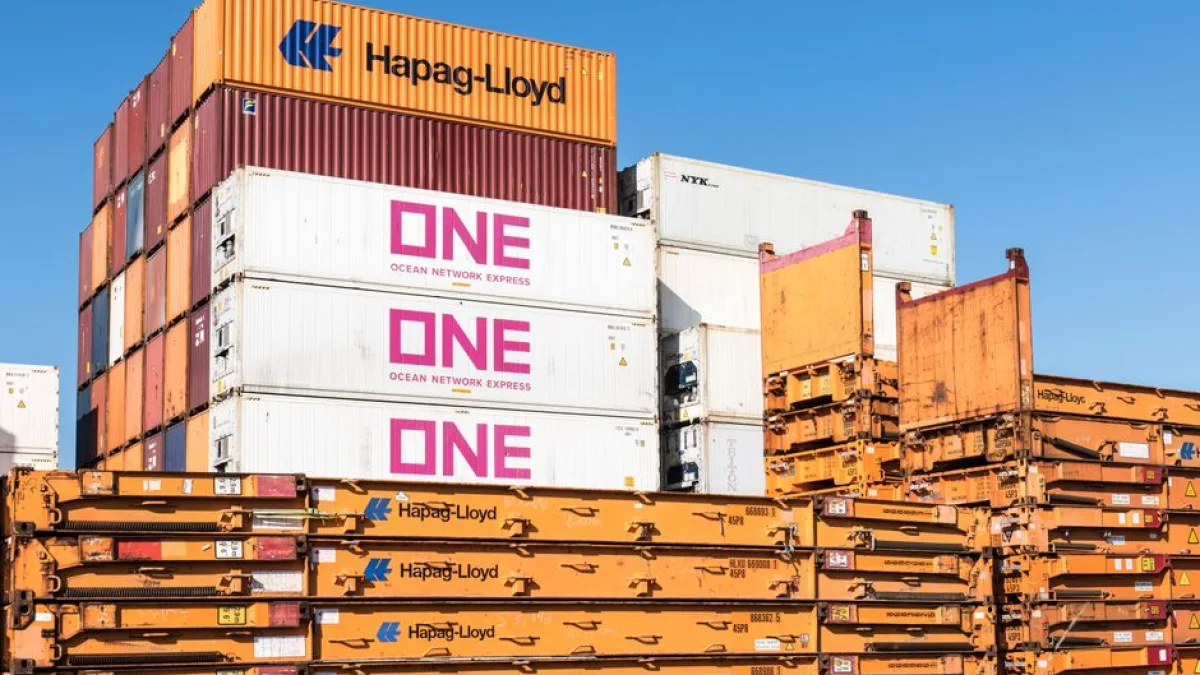
Synchronizing your core enterprise resource planning software with other operational tools creates a single source of truth for your business. This unification allows for better financial oversight, improved inventory tracking, and more accurate reporting across your entire global logistics network.
- Unified Financial Reporting: Centralizing all fiscal data ensures that your accounting department has immediate access to accurate profit margins, outstanding invoices, and fluctuating carrier rates for better forecasting.
- Improved Inventory Control: Syncing warehouse management data provides your team with precise stock levels, helping you optimize freight routing and avoid expensive storage fees at critical distribution nodes.
- Faster Document Processing: Integration allows documents like bills of lading and commercial invoices to sync instantly, ensuring compliance and speed during the customs clearance process at borders.
- Enhanced Decision Making: Having a holistic view of your business performance allows management to make data driven decisions regarding carrier partnerships and potential route optimizations every single day.
True operational efficiency begins when your ERP stops acting like an island and starts working as a synchronized hub. By aligning your financial and operational data, you eliminate the confusion caused by version control issues or outdated information. This level of clarity empowers your stakeholders to move with confidence, knowing that their strategic choices are supported by accurate and reliable data.
Automated Carrier Tracking
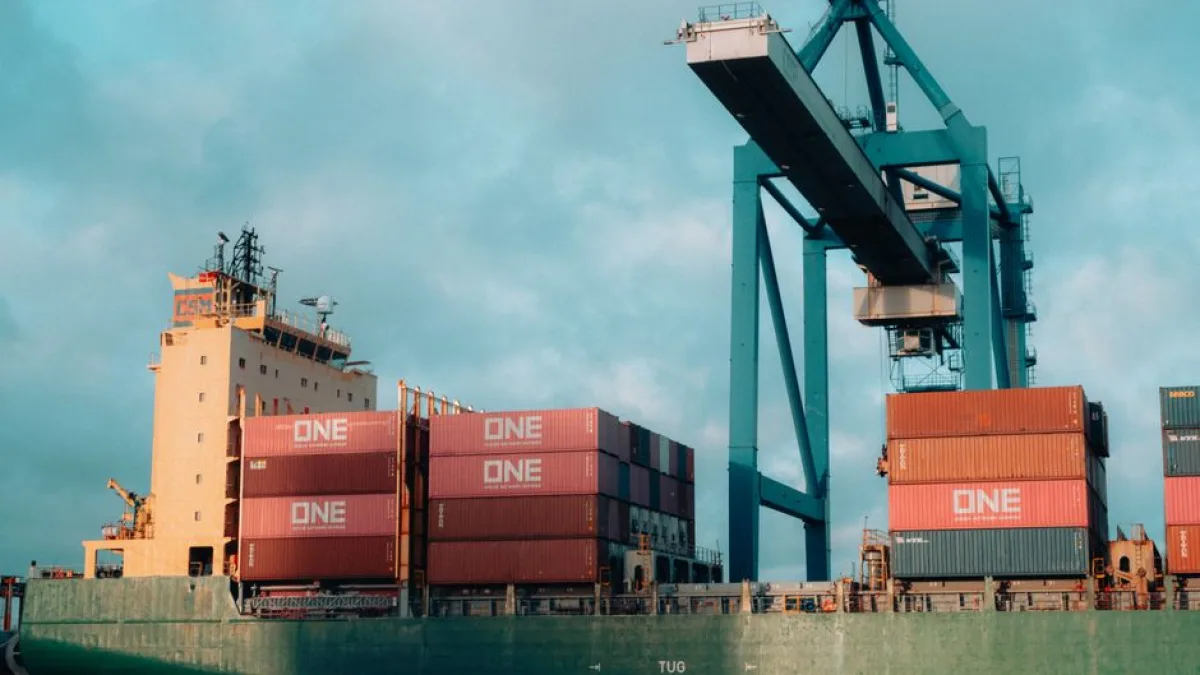
Leveraging automated tracking technology provides unparalleled transparency into the lifecycle of every shipment. Instead of relying on static spreadsheets or phone calls, your team can monitor cargo location through live updates pushed directly to your central freight forwarding platform.
- Proactive Exception Management: Automatic notifications alert your team the moment a delay occurs, allowing you to suggest alternative routing options to clients before the shipment schedule is impacted.
- Client Self Service Portals: Customers enjoy access to direct tracking links, reducing the volume of inbound status inquiry emails and phone calls that occupy your customer service representatives.
- Improved Carrier Performance: Analyzing automated tracking data allows you to hold shipping partners accountable for transit times and ensures your cargo moves according to the original agreement.
- Enhanced Brand Reputation: Delivering consistent, accurate tracking information builds immense trust with your clients, which encourages long term partnerships and increases the likelihood of receiving repeat business referrals.
The ability to provide high quality tracking information is now a core requirement rather than a luxury service. By automating this process, you protect your team from administrative burnout while simultaneously elevating the customer experience. This modern approach to tracking builds a layer of reliability that distinguishes your freight forwarding brand from competitors who still rely on manual tracking methods.
Data Security and Compliance

As logistics becomes increasingly digital, safeguarding sensitive trade data and financial information is a top priority. Modern technology integrations prioritize encryption and secure protocols to protect your business and your customers against evolving cyber threats and data privacy risks.
- Encrypted Data Transfer: Secure protocols ensure that all information transmitted between systems remains private, protecting trade secrets and sensitive client communications from unauthorized access or malicious external threats.
- Regulatory Compliance Standards: Automated systems simplify adherence to complex international trade regulations by maintaining detailed audit trails and ensuring that documentation meets all current legal formatting requirements.
- Restricted User Access: Modern platforms offer role based permissions that limit sensitive information access to authorized personnel, preventing internal data leaks and promoting better organizational security practices.
- System Redundancy Backups: Cloud based technology provides automatic data backups, ensuring that your critical shipment records remain safe even in the event of hardware failure or localized network disruptions.
Protecting your digital assets is a fundamental duty of any modern freight forwarder. By choosing software platforms that prioritize rigorous security standards and compliance, you mitigate risk and demonstrate professionalism to your global client base. A secure operation is a stable operation, allowing you to focus on expanding your service reach without the constant underlying fear of data breaches.
Conclusion

Modernizing your freight forwarding business through strategic technology integrations is a necessary step for sustainable growth. By automating manual processes and syncing your operational data, you gain the clarity needed to lead in a competitive industry. Start evaluating your current software stack today to identify gaps in your connectivity. Reach out to the MakeCargo team to learn how our platform bridges these critical gaps.