Modernizing Logistics: The Power of Freight Software Integrations
Tuesday, October 13 2026
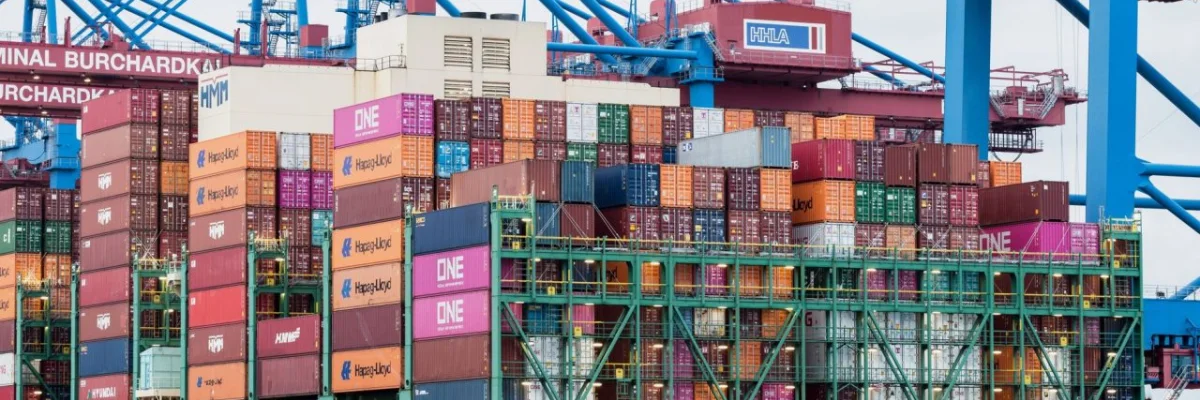
The global shipping industry is undergoing a digital transformation that demands agility and real-time connectivity between disparate systems. Freight forwarders often struggle with siloed data, leading to manual errors and slowed operational velocity. By adopting integrated cloud-based platforms, logistics businesses can harmonize their workflows, automate repetitive tasks, and provide superior transparency to their clients. Modern software solutions serve as the central nervous system for your operations, bridging the gap between carriers, customs authorities, and internal departments. As market competition intensifies, those who leverage advanced technological ecosystems will achieve higher margins while effectively navigating the complexities of international trade and supply chain management.
Unified Data Streams
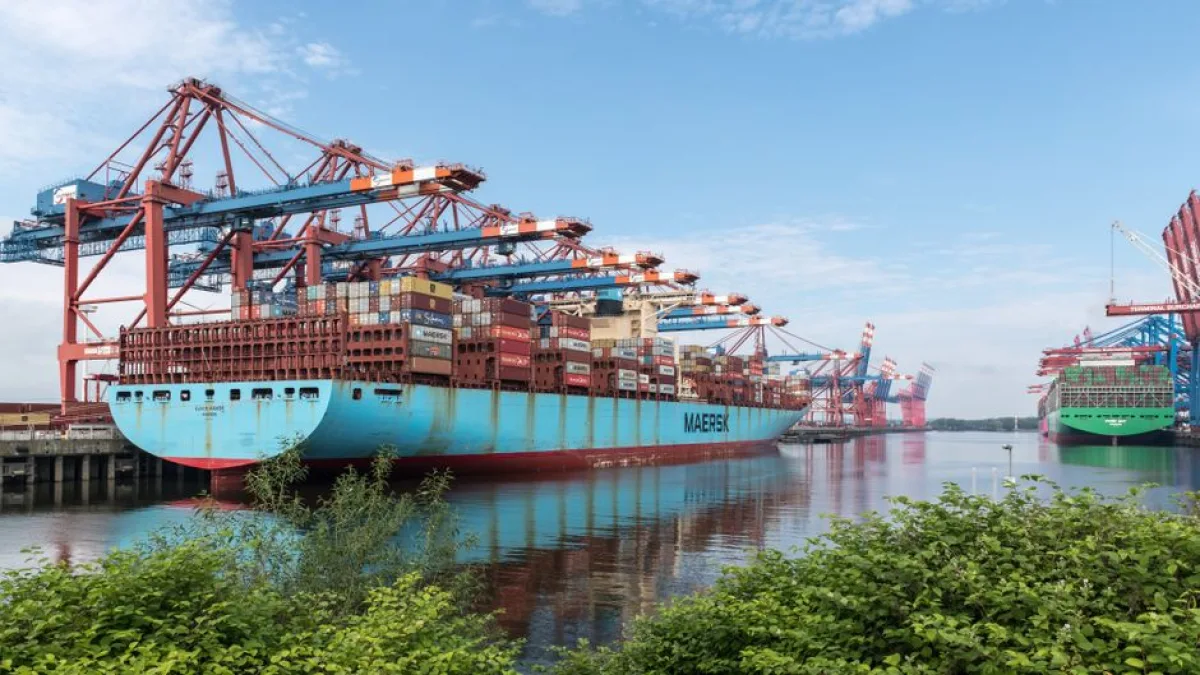
A unified data environment allows for the seamless flow of information across every step of the shipping cycle. By centralizing your documentation and tracking status into one platform, you remove the reliance on fragmented spreadsheets and inefficient communication methods.
- Seamless API Connectivity: Modern software platforms enable instant communication between your freight system and carrier portals, ensuring that rate quotes and vessel schedules are always current and highly accurate.
- Automated Data Entry: Eliminating manual input tasks reduces the risk of human error significantly while freeing your professional staff to focus on high-value client relationship management and strategy.
- Centralized Documentation Hub: Store all essential shipping documents in one secure cloud location, which allows authorized team members to access invoices, bills of lading, and customs forms instantly.
- Real-time Visibility Access: Providing your customers with a single source of truth for their shipment status increases their trust in your brand and enhances your service reputation.
- Synchronized Team Collaboration: Integrated tools allow multiple departments to view the same shipment data simultaneously, preventing miscommunications that typically arise when teams use disconnected legacy software systems today.
Consolidating your logistics operations within a single interface creates a sustainable competitive advantage in a volatile market. When your team spends less time searching for fragmented information, they can invest more effort into solving complex shipping challenges for your customers. This transformation ultimately leads to improved operational efficiency, reduced overhead costs, and a much more scalable business model that adapts to changing global logistics demands.
Streamlining Customs Compliance

Managing complex customs regulations requires precision and speed to avoid costly port delays. Integrating compliance software with your primary freight platform ensures that every shipment adheres to international trade laws while reducing the heavy burden of manual paperwork.
- Automated Duty Calculations: Intelligent software modules automatically compute complex import duties and taxes based on HS codes, which prevents costly overpayments and ensures your customers remain fully compliant.
- Regulated Form Generation: Generate standardized international shipping documents directly from your existing database, ensuring that all submissions meet the strict requirements of local customs authorities around the world.
- Instant Regulatory Updates: Systems integrated with government databases receive live notifications regarding policy changes, allowing your team to adjust shipping strategies before any potential disruptions impact your bottom line.
- Risk Mitigation Tools: Automated compliance checks flag potential issues in your documentation before submission, protecting your firm from heavy fines and avoiding significant shipment delays at critical checkpoints.
- Enhanced Audit Trails: Digital records provide a permanent history of every compliance action taken, which simplifies the process of providing necessary reports during official tax or trade audits.
Investing in compliance integration turns a logistical bottleneck into a predictable and reliable process. When your software handles the intricate details of trade regulations, your team gains the confidence to manage larger volumes of international freight without scaling your workforce. This proactive approach to customs management stabilizes your supply chain and provides your clients with a seamless import and export experience every time.
Dynamic Carrier Management
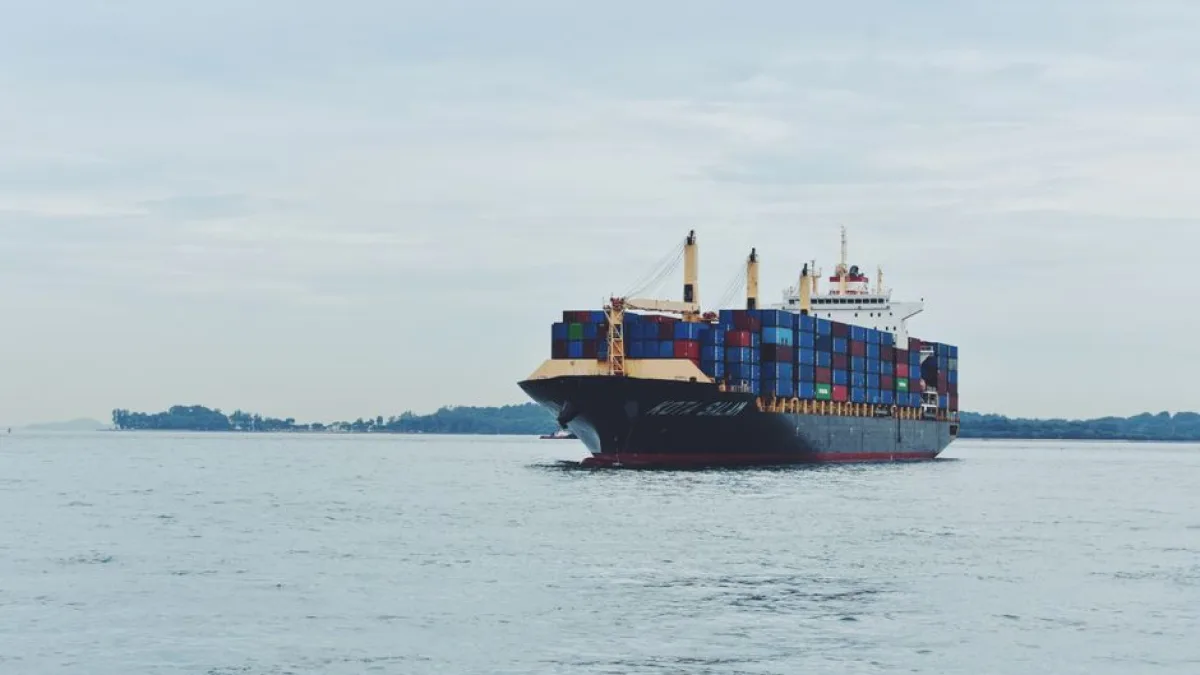
Effective carrier management depends on your ability to compare rates and performance metrics in real time. Advanced logistics software connects you directly to global carrier networks, giving you the power to optimize every route for cost and speed.
- Real-time Rate Comparison: Instantly compare diverse shipping quotes from multiple ocean and air carriers within a single interface, ensuring you always secure the most competitive pricing for your clients.
- Carrier Performance Tracking: Monitor historical performance data for different carriers to identify which partners provide the best reliability and transit times for specific global trade lanes.
- Automated Booking Requests: Send booking confirmation requests directly through your platform, reducing the back and forth communication that slows down the dispatch process for your logistics operations team.
- Dynamic Route Optimization: Advanced algorithms analyze shipment requirements to suggest the most efficient transit paths, helping you avoid congestion and manage seasonal fluctuations in shipping demand quite effectively.
- Vendor Communication Portals: Utilize dedicated digital channels to communicate with carrier representatives, keeping all correspondence attached to the specific shipment record for future reference and accountability purposes.
Optimizing your carrier relationships through technology allows for more strategic decision-making that directly benefits your customers. By utilizing data-driven insights, you can negotiate better terms and select partners that align with your firm's quality standards. As you refine your routing and carrier selection processes, your logistics operations will become more resilient against global shipping disruptions while maintaining excellent margins throughout the year.
Scalable Infrastructure Growth

Building a scalable foundation is critical for freight forwarders planning for long-term expansion in a digital-first economy. Cloud-based logistics platforms grow alongside your company, providing the modular tools needed to manage increasing shipment volumes and complex international trade requirements.
- Cloud-based Scalability Models: Expand your software usage easily as your business grows, adding new user licenses or modules without the need for expensive hardware or significant technical downtime.
- Secure Data Protection: Enterprise-grade cloud security protocols ensure that your sensitive business data and customer information remain protected against cyber threats while maintaining full system uptime and reliability.
- Automated Software Updates: Receive continuous improvements and feature enhancements automatically through your cloud provider, keeping your logistics platform equipped with the latest industry standards without manual installations.
- Global Accessibility Features: Empower your remote and hybrid teams to access vital freight information from any location globally, ensuring seamless operations across different time zones and offices.
- Modular Integration Capabilities: Connect specialized logistics plugins or accounting software as your company requirements evolve, ensuring your technology stack always perfectly matches your current business operational needs.
Choosing a scalable software platform ensures your firm is prepared for future growth rather than being constrained by outdated infrastructure. As you integrate more tools and expand into new shipping markets, your technology will support your success by providing consistency and speed. Invest in a system that grows with your vision and see how streamlined digital operations drive sustainable success for your business.
Conclusion

Adopting advanced logistics software is a strategic necessity for forwarders aiming to thrive in a digital-centric trade environment. By integrating data streams, compliance tools, and carrier management into one powerful platform, you gain the efficiency required to scale effectively. Start your journey toward full digital transformation today by choosing the right technology partner, ensuring your business stays ahead of modern shipping industry challenges.