Modernizing Logistics with a Professional Customer Portal
Sunday, August 2 2026
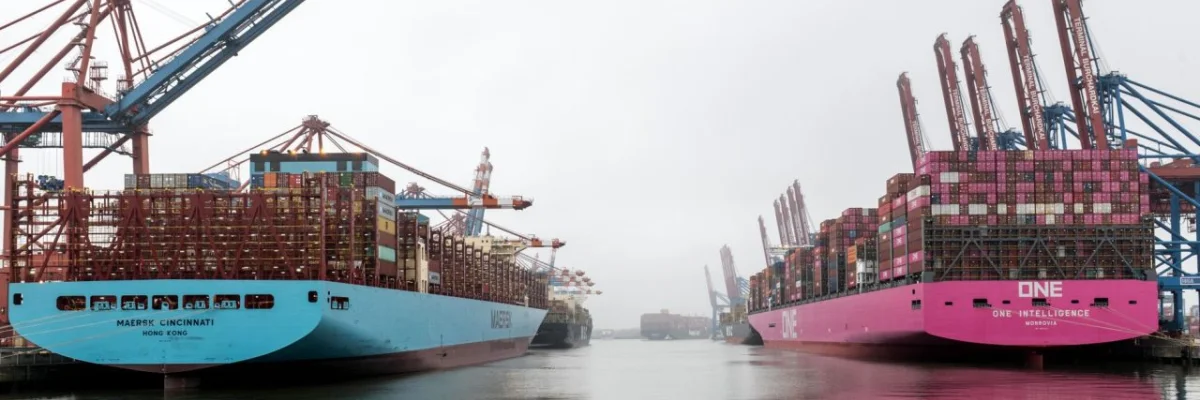
In the fast-paced world of international logistics, freight forwarders are under constant pressure to provide real-time updates and seamless communication to their clients. Manual emails and endless phone calls are quickly becoming obsolete as modern businesses demand digital transparency and 24/7 access to their supply chain data. By implementing a sophisticated customer portal, freight forwarders can effectively consolidate their digital operations into a single platform. This strategic move not only enhances the overall client experience but also significantly boosts internal productivity by automating routine tasks, allowing your team to focus on resolving high-level shipping challenges and building stronger long-term relationships.
Centralized Document Management

Managing shipment documents electronically saves time and reduces the risk of errors often found in manual filing. A dedicated portal keeps all manifests, invoices, and customs documents organized in one accessible location for your clients to retrieve whenever they need.
- Seamless digital access: Clients can log in at any hour to download essential shipping documents without waiting for manual email responses from your operations team during office hours.
- Reduced error rates: Storing files within a secure portal eliminates the confusion caused by duplicate email attachments and ensures that every stakeholder views the most recent document version.
- Streamlined audit trails: Each document uploaded or accessed through the platform is logged, providing a clear history that assists with compliance and simplifies the internal auditing process significantly.
- Enhanced document security: Digital portals use advanced encryption methods to protect sensitive trade data, offering a much safer alternative to sending financial or customs documents via unencrypted email.
By moving away from scattered folders and email threads, your agency creates a professional atmosphere that builds immediate trust with every customer. This digital shift ensures that information is never lost and remains available for quick review. As your clients gain autonomy through this organized document environment, they will likely view your services as more reliable, efficient, and technologically advanced than the traditional competition.
Real Time Shipment Visibility
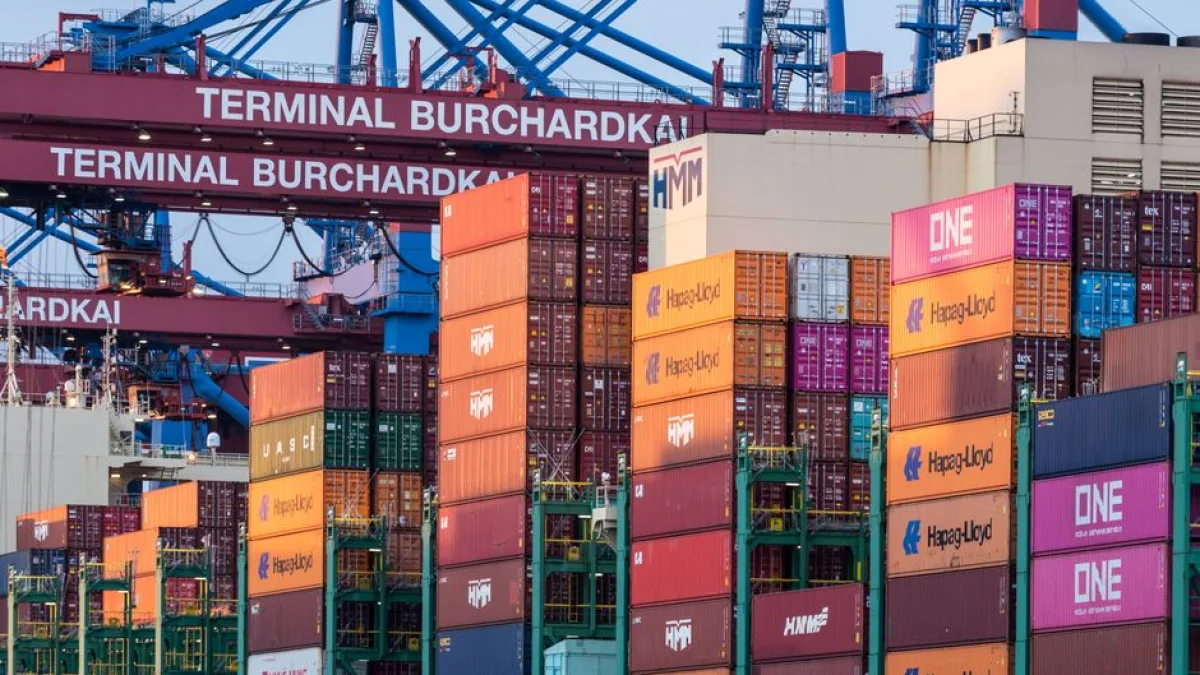
Providing customers with live tracking updates is no longer a luxury but a fundamental necessity in modern global trade. A customer portal enables clients to view the precise status of their shipments instantly using integrated carrier data feeds.
- Automated status updates: The portal pulls live tracking data directly from carrier systems, sending automated notifications to clients whenever a major milestone in the shipment journey is reached.
- Enhanced shipment transparency: Providing visual maps and current location markers allows customers to follow their cargo journey, which reduces anxiety and minimizes the need for status inquiries.
- Proactive delay alerts: When logistical disruptions occur, the platform automatically updates the delivery schedule, allowing clients to prepare for potential delays before they impact their local operations.
- Customized milestone views: Different user roles within your client organization can see the specific details relevant to their workflow, ensuring that the right stakeholders receive critical updates.
Real-time visibility turns your service into a proactive partnership rather than a reactive one. Clients no longer feel left in the dark when transit issues occur, as the system keeps them informed automatically. This transparency builds long-term loyalty by demonstrating that you value their time and operational stability, ultimately making your freight forwarding services feel more dependable than those of your competitors.
Improved Communication Channels

Moving conversations into a portal environment keeps all interactions tied to specific shipment files. This prevents important details from being buried in private email inboxes and ensures that your team remains aligned on every client project request.
- Contextual task discussion: Discussions regarding specific shipments occur directly within the portal, keeping the conversation history attached to the relevant order for future reference or issue resolution.
- Reduced response times: By utilizing internal messaging or ticketing features, your team can assign inquiries to the right agent instantly, resulting in faster resolution times for clients.
- Centralized conversation logs: Keeping every communication in one place ensures that new team members can catch up on a shipment status quickly without asking for endless explanations.
- Increased accountability levels: Messaging logs provide transparency for both parties, as all requests, approvals, and instructions are documented clearly within the shared digital workspace for easy review later.
Streamlined communication is the heartbeat of a successful freight forwarding operation. By keeping everyone connected within one dashboard, you eliminate the confusion that often arises from miscommunicated details. Your staff can answer questions faster, and your clients feel heard and valued. This structured approach to communication creates a frictionless environment that supports rapid growth and scales effectively alongside your increasing global cargo volume.
Self Service Booking Requests

A customer portal allows clients to generate and submit booking requests independently, saving your team from manual data entry. This feature enables a smoother handoff between sales and operations, creating a much faster workflow for all parties.
- Instant quote requests: Clients can enter their shipping parameters into an intuitive form, allowing your team to generate accurate quotes based on current market rates much faster.
- Template based bookings: Frequent shippers can save their standard routes and cargo specifications as templates, making it possible to complete new booking requests in mere seconds each time.
- Automated data validation: The system checks for missing information before a booking is submitted, preventing common mistakes like incorrect weight entries or missing hazardous goods declarations and documentation.
- Integrated service selection: Clients can select preferred transit times or carrier services directly, ensuring that the booking aligns perfectly with their specific logistical goals and budget constraints today.
Empowering your customers to initiate their own bookings changes the fundamental nature of your relationship. Instead of acting as manual data entry clerks, your employees can focus on optimizing routes and securing better carrier contracts. This efficiency translates into lower operational costs and a better experience for the end user, positioning your agency as a digital leader in the logistics industry.
Conclusion

Adopting a modern customer portal is a critical step for any freight forwarder looking to scale efficiently. By centralizing documentation, providing live visibility, and streamlining communication, you offer a superior experience that drives long-term customer retention. Implement these tools today to modernize your operations and provide the digital transparency your clients expect. Start your journey toward a fully optimized and connected logistics business with MakeCargo.