Modernizing Logistics with Freight Forwarding Software Integrations
Wednesday, July 22 2026
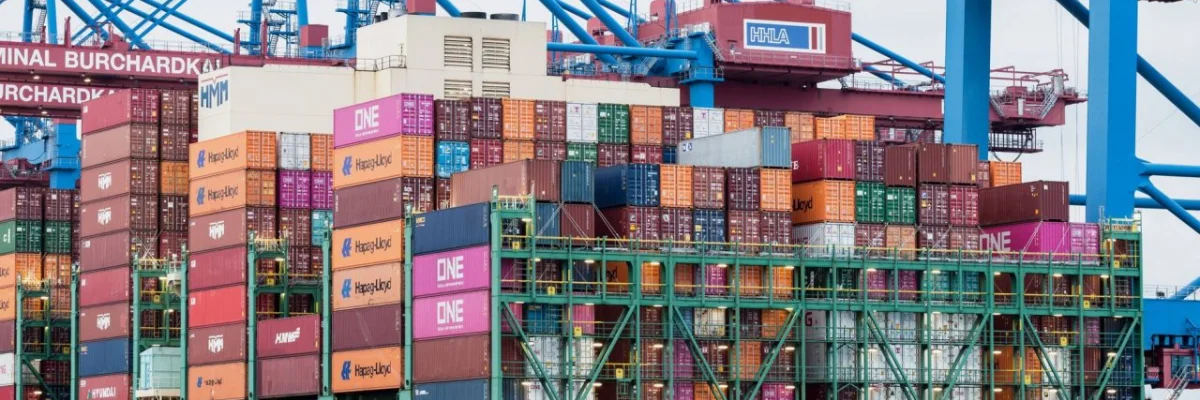
The global logistics landscape is undergoing a massive digital transformation that demands agility and precision from every freight forwarder. As supply chains grow more complex, manual processes and isolated data silos are no longer viable options for competitive firms. By embracing integrated cloud-based technology, businesses can unify their operational workflows, reduce human error, and provide clients with real-time visibility into their shipments. Modern platforms like MakeCargo serve as the central nervous system for your logistics operations, ensuring that data flows seamlessly between carriers, customs authorities, and internal teams to drive efficiency and long-term business growth in an increasingly crowded market.
API-Driven Carrier Connectivity
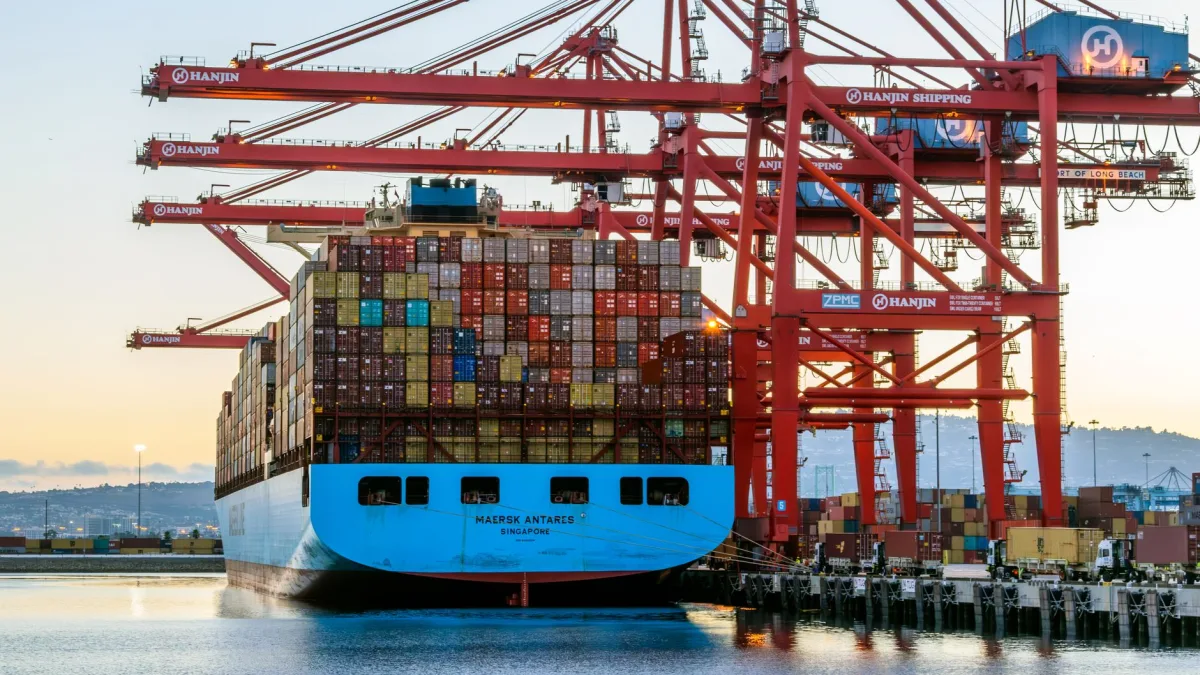
Connecting directly to carrier systems allows forwarders to automate booking requests and retrieve status updates instantly. This digital link removes the need for manual data entry, significantly reducing administrative overhead while ensuring that critical shipment information remains accurate and consistent.
- Automated Booking Flow: Streamline your booking process by transmitting data directly to carriers to receive instant confirmations and electronic bills of lading without waiting for traditional email responses.
- Real-time Tracking Updates: Receive automated status triggers that update your customer dashboard immediately so that your team can proactively manage exceptions before they escalate into major problems.
- Data Accuracy Assurance: Eliminate manual re-keying of carrier data which often leads to costly errors and missed documentation requirements during the complex international shipping and transit process.
- Seamless Document Exchange: Facilitate the rapid transfer of commercial invoices and packing lists between your software and carrier portals to maintain compliance with international trade regulations easily.
Integrating your systems with carrier APIs creates a robust framework that supports rapid scaling and operational stability. When your internal software talks directly to major shipping lines and airlines, you gain an edge in speed and reliability. This transformation empowers your staff to focus on high-value customer service tasks rather than tedious clerical work, ultimately improving both your productivity and bottom line performance.
Streamlining Customs Documentation

Handling customs declarations requires extreme attention to detail and a deep understanding of ever-changing international trade regulations. Modern software integrations automate the classification of goods and the submission of declarations to authorities, preventing costly delays and penalties at border crossings.
- Harmonized Code Automation: Utilize integrated databases that suggest correct HS codes based on product descriptions to ensure your customs declarations meet all local and international regulatory requirements.
- Direct Authority Submissions: Send electronic declarations straight from your freight management platform to customs authorities, reducing the transit time typically spent waiting for manual paper processing cycles.
- Compliance Audit Readiness: Keep a digital history of every submitted document to simplify internal audits and provide transparent records if customs agencies request detailed shipment information.
- Automated Duty Calculations: Calculate import duties and taxes instantly based on real-time trade data to provide your clients with accurate landed cost estimates before shipping occurs.
Efficient customs processes are essential for maintaining the flow of international trade in a volatile economic environment. By integrating automated documentation tools, forwarders minimize the risk of human error that leads to customs holds or fines. This level of digital readiness ensures that your shipments move through borders smoothly, keeping your clients satisfied and your company reputation strong and reliable.
Cloud-Based Financial Integration

Linking your freight software with accounting systems ensures that every invoice is generated and processed without delay. This synchronization provides a clear picture of your financial health, enabling better cash flow management and precise tracking of all operational expenses.
- Automated Invoice Generation: Trigger invoices automatically once a shipment reaches a specific milestone to improve your collection speed and enhance overall cash flow within your freight forwarding business.
- Integrated Expense Tracking: Sync vendor invoices directly with your general ledger to track profit margins on individual shipments and identify areas for potential cost savings immediately.
- Bank Reconciliation Efficiency: Match incoming payments against outstanding accounts receivable automatically to reduce the manual labor associated with traditional bookkeeping and accounting reconciliations in your busy office.
- Currency Conversion Updates: Use automated exchange rate synchronization to ensure that your multi-currency invoices remain accurate regardless of daily fluctuations in global financial markets and bank rates.
Maintaining tight control over financial data is critical for sustainable growth in the logistics industry. When your operational software works in harmony with your accounting suite, you gain powerful insights into shipment profitability and overall revenue performance. This integration removes the friction of manual bookkeeping, allowing finance teams to spend less time on data entry and more time on strategic planning.
Customer-Facing Visibility Portals

Providing your clients with a modern, branded visibility portal is a competitive necessity. These portals allow customers to monitor their cargo status, download documents, and communicate with your team at any time, boosting trust and enhancing the overall customer experience.
- Self-Service Tracking Access: Offer your clients a dedicated portal where they can check shipment status and transit timelines without needing to contact your support staff for updates.
- Centralized Document Repository: Allow customers to securely access and download their own bills of lading, invoices, and certificates of origin directly from your web portal at any time.
- Customizable Reporting Tools: Empower your clients to generate their own supply chain analytics and shipment reports, which reduces your internal workload and adds significant value to their experience.
- Direct Communication Channels: Embed chat or messaging features within the portal to foster transparent communication and ensure that all shipment queries are handled in a single location.
An intuitive customer portal turns your shipping services into a transparent and professional experience that clients value deeply. By giving them direct access to the information they need, you build long-term loyalty and distinguish your brand from traditional forwarders who rely on manual updates. Investing in this technology creates a superior experience that simplifies logistics management for every stakeholder involved.
Conclusion

Digital transformation through strategic software integration is the defining factor for success in modern freight forwarding. By automating connectivity with carriers, customs, finance, and clients, you build a resilient business that thrives on efficiency. MakeCargo is designed to facilitate these connections effortlessly, allowing you to scale your operations and provide exceptional value. Start your journey toward full digital integration today to stay ahead.