Modernizing Logistics with Freight Forwarding Software Integrations
Friday, July 24 2026
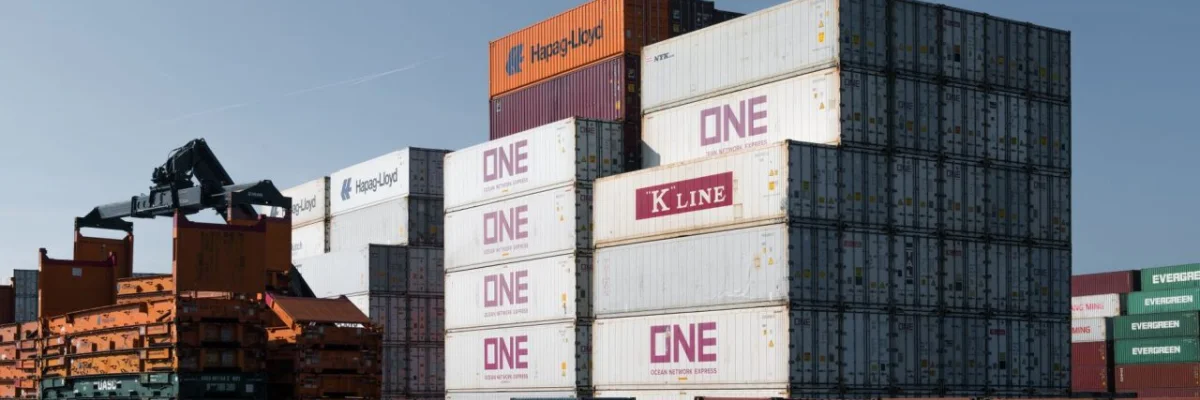
The global logistics landscape is undergoing a massive digital transformation that demands agility and precision from every freight forwarding professional. As supply chains grow more complex, manual processes and isolated data silos become significant liabilities that hinder growth and customer satisfaction. Modern freight forwarding software platforms serve as the central nervous system for these operations, providing the connectivity required to thrive in a competitive market. By leveraging advanced integrations, companies can break down communication barriers, automate repetitive tasks, and achieve unprecedented levels of visibility. Embracing this technological shift is no longer optional for businesses aiming to maintain efficiency and stay relevant today.
Seamless Data Synchronization
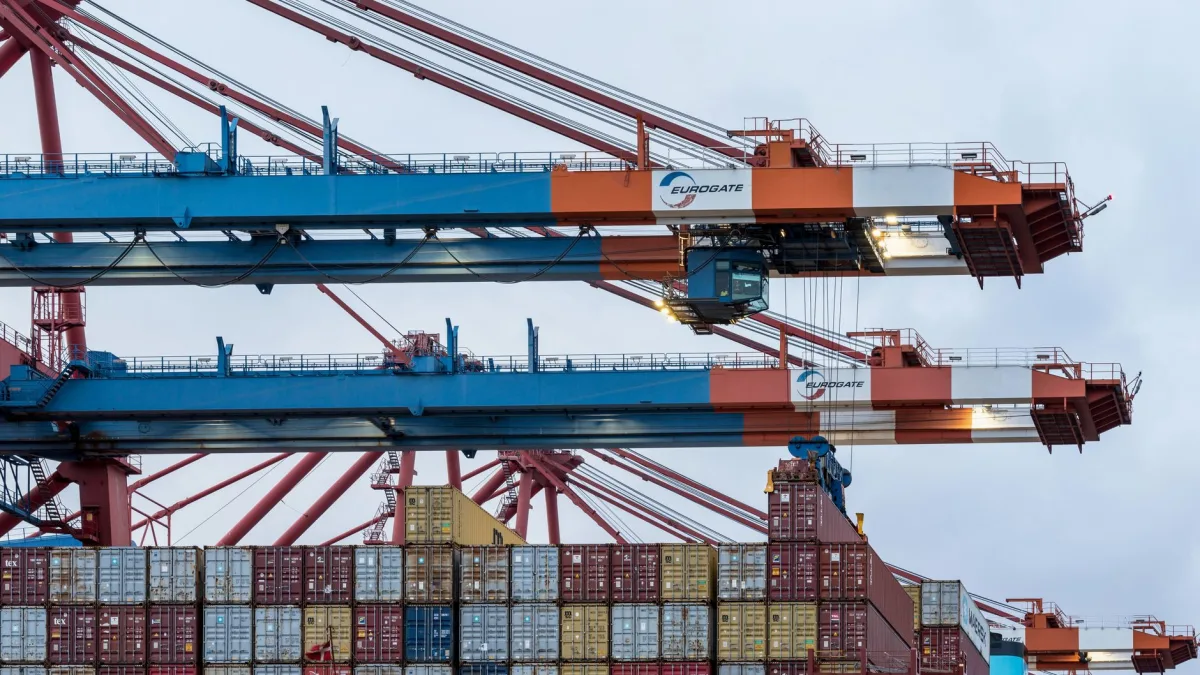
Automated data flows represent the foundation of modern logistics operations by ensuring that information moves instantly between systems without manual intervention. This digital connectivity eliminates the human errors associated with re-keying data and accelerates the entire documentation process for your team.
- Eliminate manual entry: Removing manual data entry tasks reduces administrative overhead and minimizes the risk of costly mistakes that frequently occur during high volume shipping peak seasons.
- Real time updates: Automated synchronization ensures that your internal teams and external customers always have access to the most accurate shipment status information available right now.
- Reduced processing time: Integrating your core platforms significantly lowers the time required to generate bills of lading, commercial invoices, and other essential shipping documentation for clients.
- Enhanced data accuracy: Centralized data management ensures that all stakeholders view identical information, which prevents discrepancies and fosters trust between forwarders and their global network partners.
Adopting automated data synchronization allows your staff to focus on high value activities like strategic planning and customer service. By removing the burden of repetitive administrative tasks, your team can handle larger volumes of cargo while simultaneously improving the quality of service provided to clients. This transition transforms your operational focus from reactive troubleshooting to proactive management, giving your business a distinct competitive advantage.
Optimized Carrier Communication

Connecting directly with carrier APIs enables forwarders to receive instant feedback on schedules and booking status updates. This direct digital pipeline bypasses traditional email channels and ensures that scheduling changes are reflected immediately within your primary freight management software interface.
- Instant booking confirmation: Direct API connections allow you to secure space with carriers instantly, removing the waiting periods associated with manual booking requests via email or phone.
- Dynamic schedule monitoring: Real time monitoring of vessel schedules helps you proactively manage client expectations by identifying potential delays before they impact your scheduled delivery dates.
- Automated status triggers: Your software automatically updates tracking milestones as soon as carrier data is received, ensuring that clients receive proactive notifications regarding their shipment status.
- Improved carrier relations: Digital integration simplifies the workflow for carrier representatives, making your business a preferred partner for booking and operational coordination in busy markets.
Streamlined communication with carriers empowers your logistics team to respond rapidly to changing market conditions. By maintaining a constant digital handshake with major shipping lines, you ensure that every shipment remains on track from origin to destination. This level of responsiveness is essential for building long term reliability in your supply chain and ensuring that your clients remain satisfied with your performance.
Enhanced Financial Transparency

Integrating your freight software with accounting systems provides a holistic view of your company financial health and job profitability. This link allows for automatic invoice generation and expense tracking, ensuring that every cost is captured accurately against specific shipments for reporting.
- Automated billing cycles: Linking operations with accounting ensures that invoices are generated immediately upon delivery, which significantly improves your overall cash flow and reduces outstanding receivables.
- Detailed job costing: Track every single cost associated with a shipment, including unexpected accessorial charges, to ensure your profit margins remain protected on every single move.
- Simplified tax compliance: Automated records keep your financial documentation organized and compliant with local regulations, making year end audits much easier for your internal accounting departments.
- Unified financial reporting: Consolidated data streams provide your leadership team with accurate dashboards that track company performance indicators in real time without waiting for monthly reports.
Clear financial visibility is critical for making informed business decisions that drive long term profitability. By automating the link between freight operations and financial accounting, you eliminate the guesswork often involved in calculating job costs. This seamless integration ensures that you always maintain a healthy cash flow and provides the data necessary to negotiate better rates with your partners.
Scalable Infrastructure Growth

A cloud based architecture allows your freight forwarding business to scale operations globally without the constraints of local server hardware. This infrastructure is designed to expand as your shipment volume increases, providing consistent performance and security regardless of your company size.
- Global access anywhere: Cloud software allows your team members to access vital shipment information from any location, facilitating remote work and global team collaboration efforts.
- Enhanced cybersecurity measures: Leading cloud platforms provide robust security protocols to protect your sensitive shipment data against evolving digital threats and unauthorized access attempts daily.
- Flexible resource allocation: Easily adjust your software capabilities as your business grows, ensuring you only pay for the features and storage capacity you actually need.
- Automatic system updates: Benefit from the latest software features and security patches automatically without requiring your team to perform complex manual installations or system upgrades.
Scalable infrastructure ensures that your business remains agile and capable of handling rapid market changes or sudden spikes in shipping demand. By investing in a cloud based solution, you future proof your operations against technical obsolescence and ensure that your team always has the best tools available. This strategic foundation allows you to focus on expanding your global footprint with absolute confidence.
Conclusion

Integrating advanced technology into your freight forwarding workflows is essential for maintaining efficiency in a modern global economy. By embracing software connectivity and cloud infrastructure, you position your business to scale effectively while providing superior service to your clients. Start evaluating your current digital setup today and discover how MakeCargo can streamline your operations, reduce costly errors, and drive sustainable growth for your logistics company.