Modernizing Ocean Freight Operations with Smart Technology
Saturday, October 24 2026
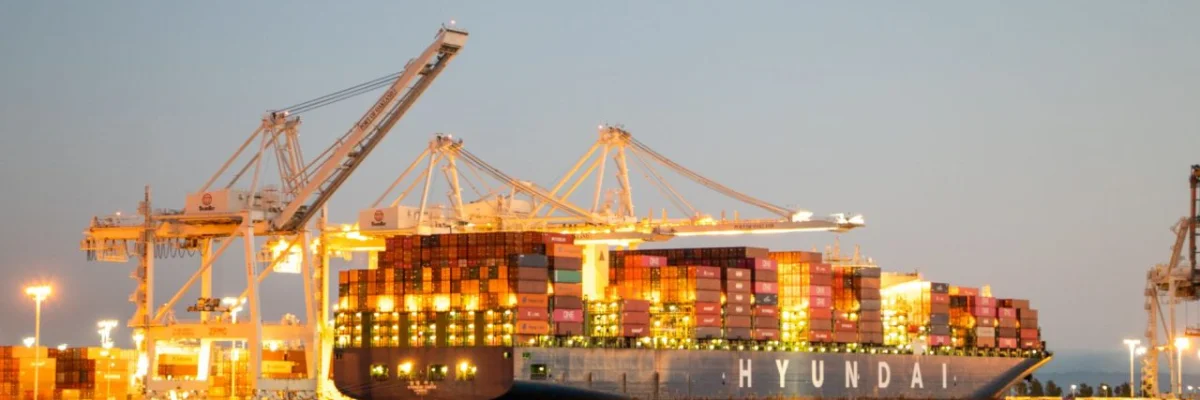
The global shipping industry currently faces unprecedented levels of complexity and volatility, pushing freight forwarders to move beyond manual processes. As supply chain visibility demands grow, professionals must embrace digital transformation to remain competitive in a crowded market. Managing international trade requires seamless coordination, precise documentation, and real-time communication across multiple stakeholders. Leveraging advanced software solutions allows your team to automate tedious tasks, reduce human error, and provide clients with the transparency they expect. By adopting modern technology, you can turn traditional operational hurdles into strategic advantages, ensuring your freight forwarding business thrives amidst the challenges of contemporary ocean logistics.
Optimizing Container Load Planning
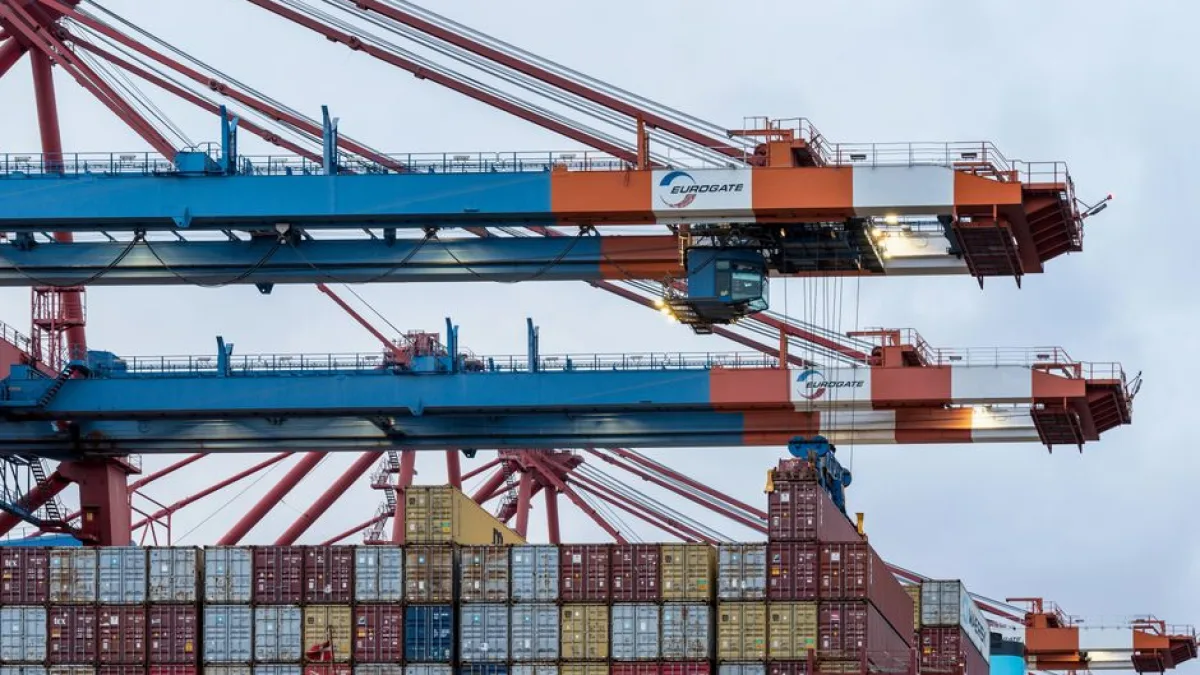
Efficient load planning serves as the foundation for successful ocean shipments by maximizing space utilization and reducing costs. Modern software enables forwarders to visualize container capacity precisely while balancing weight distribution to meet strict safety and legal requirements for maritime transport.
- Space Utilization Software: Digital tools analyze cargo dimensions to maximize every cubic meter of available container space while ensuring that weight limits are strictly respected during the loading phase.
- Safety Compliance Checks: Automated systems verify that dangerous goods or hazardous materials are packed according to international maritime regulations, preventing costly fines and delays at the port.
- Load Consolidation Planning: Advanced algorithms combine LCL shipments from various clients to create efficient full container loads, significantly increasing profit margins and improving overall transit cost efficiency.
- Visual Documentation Tools: Creating detailed stowage plans helps terminal operators handle containers more effectively, reducing the likelihood of damages during the transit process across the ocean voyage.
- Regulatory Data Integration: Systems link your load plans directly with customs documentation, ensuring that all information provided to port authorities remains accurate and fully compliant every time.
Mastering the art of container optimization empowers your operations team to reduce waste and lower overall shipping expenses significantly. When you integrate smart planning software into your daily workflow, you minimize the risk of empty air within containers. This proactive approach ensures that your clients benefit from competitive pricing while your firm maintains high operational standards and consistent profitability throughout the entire shipping cycle.
Enhancing Real Time Cargo Tracking

Providing customers with constant visibility into their cargo location has become a standard requirement in the logistics industry. Real time tracking technology connects your system to carrier networks, delivering instant status updates that build trust and long term professional relationships.
- Live Vessel Monitoring: Automatic updates from AIS and carrier feeds give your team instant access to vessel locations, allowing you to manage client expectations during potential delays.
- Automated Status Alerts: Proactive notifications inform clients automatically when their cargo hits a major milestone, reducing the burden on your customer service team and enhancing client transparency.
- Predictive Delay Analytics: Data models forecast potential arrival disruptions based on weather patterns and port congestion, enabling forwarders to suggest alternative routes before major problems occur entirely.
- Unified Tracking Dashboard: A central interface consolidates data from multiple shipping lines, giving you a clear view of all active shipments without needing to visit different websites.
- Historical Data Insights: Analyzing past shipping performance helps you select the most reliable carriers for specific trade lanes, improving your long term service quality and planning.
Clients today demand constant access to information regarding their global shipments. By implementing a centralized tracking solution, you eliminate the need for manual status updates and email inquiries. This transparency acts as a powerful retention tool, as customers feel secure knowing that their valuable cargo is monitored at every stage of the journey from origin warehouse to the final destination port.
Streamlining Essential Shipping Documentation
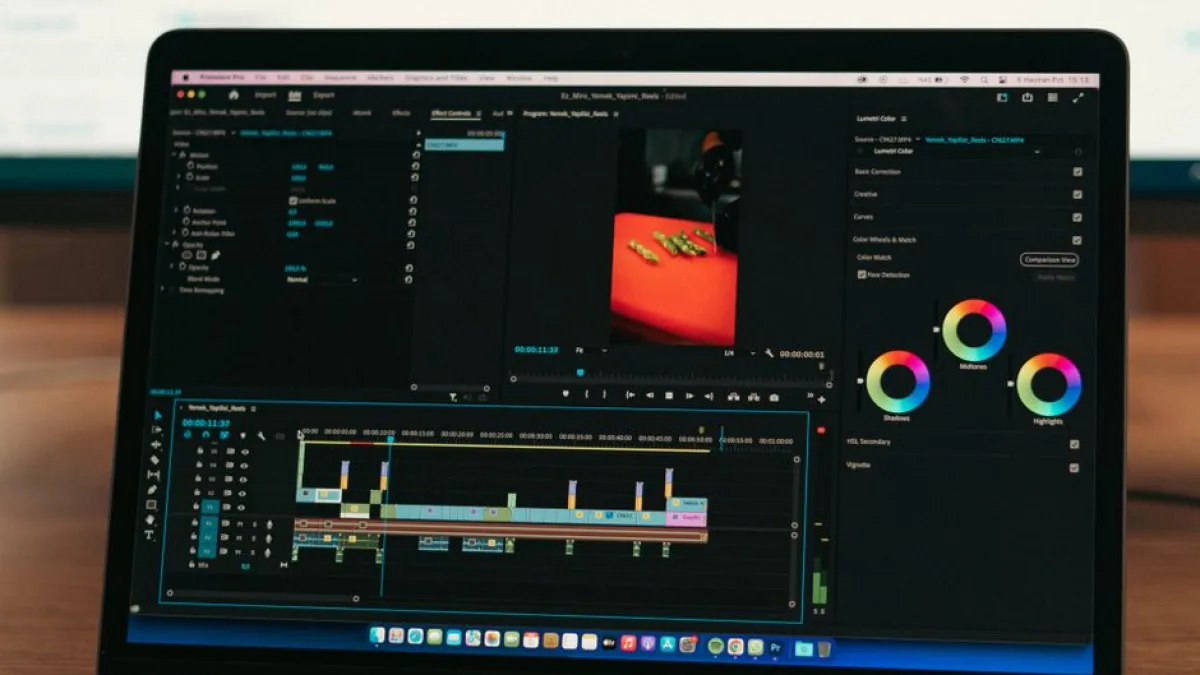
The sheer volume of paperwork required for ocean freight can overwhelm any logistics team if not handled with specialized software. Digital platforms simplify document creation, storage, and retrieval, ensuring that bills of lading and invoices are processed rapidly without manual mistakes.
- Automated BOL Creation: Software templates generate bills of lading instantly by pulling data from booking records, ensuring perfect accuracy and saving valuable time for your administrative staff.
- Secure Cloud Storage: Digital archives keep all shipping documents organized in one accessible location, making audits and retrieval processes fast and stress free for your entire organization.
- E-Signature Integration: Secure electronic signing features accelerate the approval of critical shipping documents, allowing you to finalize transactions remotely and avoid delays caused by physical mailing requirements.
- Customs Form Automation: Built-in tools automatically populate customs declarations with accurate data, reducing the risk of administrative errors that lead to customs holds and costly demurrage charges.
- Version Control Systems: Tracking changes to shipping documents ensures that every stakeholder works with the latest information, eliminating confusion caused by outdated or inconsistent paperwork records today.
Efficient document management transforms a tedious back office burden into a streamlined digital process. By reducing the time spent on manual data entry, your staff can focus on high value activities like client acquisition and supply chain optimization. Investing in document automation not only improves speed but also mitigates legal risks associated with incorrect documentation, protecting your business reputation and financial bottom line.
Managing Port and Carrier Fees
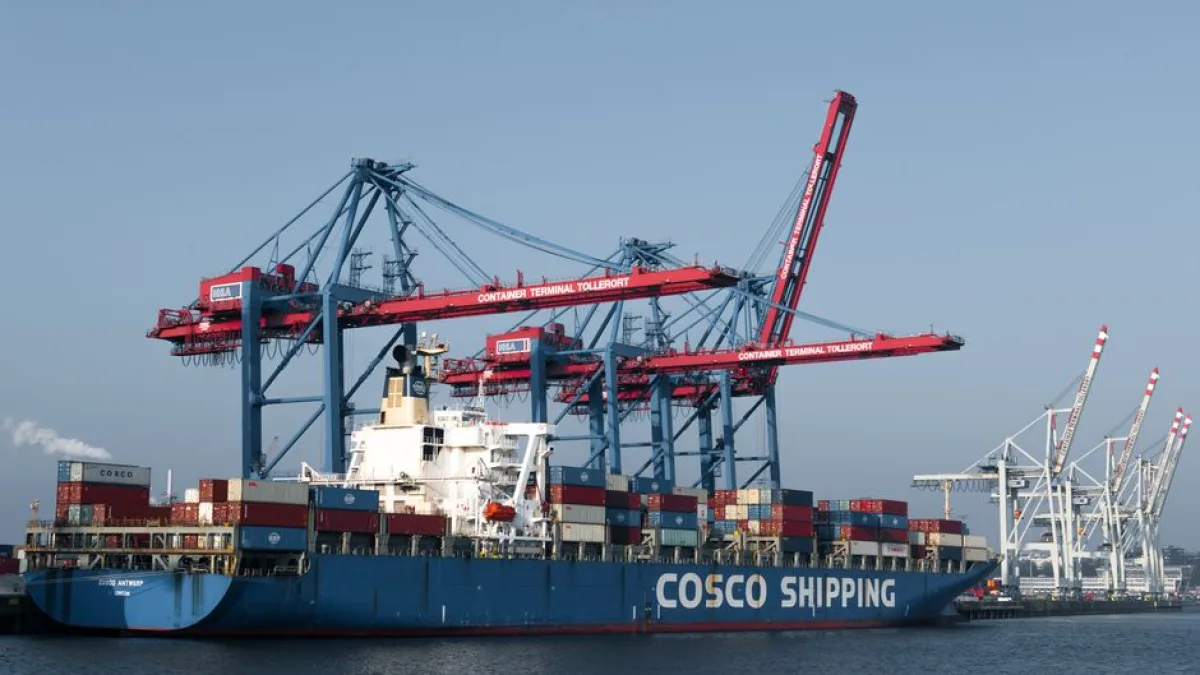
Effective financial management requires careful oversight of the various surcharges and fees associated with ocean freight. Software platforms help you track costs accurately, ensuring that your billing processes remain transparent and that your profit margins are protected during volatile market conditions.
- Automatic Surcharge Calculation: Systems automatically apply current bunker fuel adjustments and currency surcharges to your quotes, ensuring that your financial data remains accurate despite frequent changes in rates.
- Demurrage Tracking Tools: Dedicated monitoring features alert your team to approaching free time deadlines, preventing expensive storage fees and helping you prioritize cargo clearance at the port.
- Integrated Accounting Modules: Synchronizing your freight software with accounting platforms ensures that all shipping costs are recorded immediately, providing real time data on your current profit margins.
- Invoice Accuracy Verification: Automated checks compare vendor invoices against your original quotes to catch overcharges or errors, allowing you to recover lost funds through timely dispute resolution.
- Financial Reporting Analytics: Detailed reports identify which trade lanes and carriers are the most profitable, helping you make data driven decisions for your future business development efforts.
Controlling costs is essential for maintaining a healthy freight forwarding business in a competitive global market. By leveraging digital financial tools, you gain total clarity over your expenses and revenue streams. This level of control allows you to provide competitive pricing to your clients while ensuring that your business remains profitable even when market rates fluctuate rapidly across the shipping industry.
Conclusion

Modernizing your ocean freight operations is no longer optional for businesses aiming for sustained growth. By utilizing integrated software to manage planning, tracking, documentation, and finances, you build a resilient foundation for your company. Transitioning to a digital approach saves time, reduces errors, and improves the overall experience for your clients. Start optimizing your workflow today to ensure long term success in international shipping.