Navigating Customs Compliance in Modern Global Freight
Sunday, July 26 2026
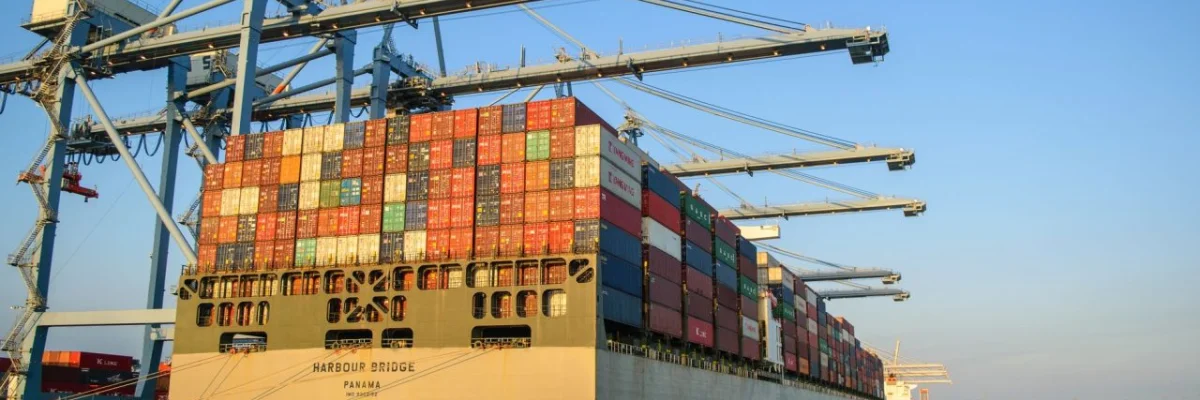
Global trade flows rely on the precision of customs compliance to maintain velocity and security within the supply chain. For freight forwarders, managing intricate regulatory frameworks is no longer an optional task but a critical operational pillar. As international markets fluctuate and import requirements evolve, the pressure to maintain accuracy in documentation and classification grows significantly. This article examines essential strategies for mitigating risk and ensuring your logistics operations remain fully compliant. By leveraging modern technology, forwarders can transform compliance from a bottleneck into a competitive advantage that protects your clients and strengthens your standing in the global marketplace.
The Core Challenges of Regulatory Shifts
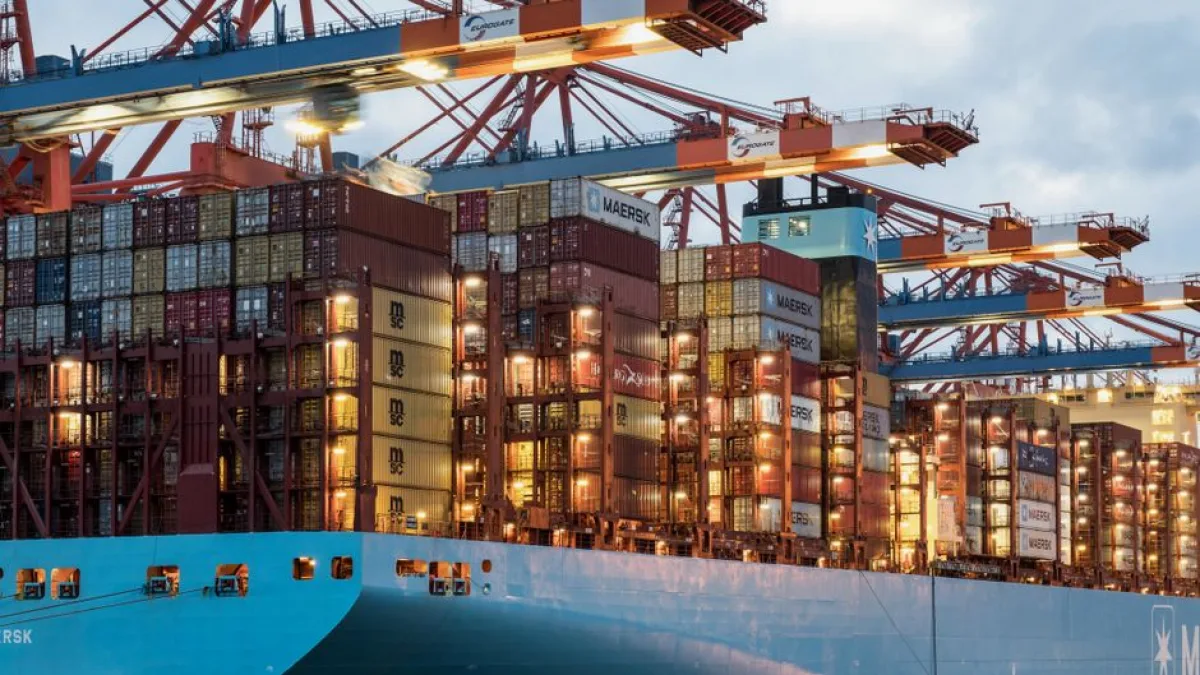
Rapid changes in regional customs policies force forwarders to adapt their workflows almost daily. Failing to stay ahead of these legislative updates leads to costly inspection delays and administrative penalties that disrupt your client delivery schedules and erode profit margins.
- Proactive Data Audits: Establish internal protocols to review shipment data periodically. Regular audits ensure that your classification codes remain current and identify potential errors before goods arrive at the border.
- Software Automation Tools: Integrate cloud based platforms to sync with customs databases. Automation minimizes human error during manual data entry and provides real time updates on changing tariff regulations worldwide.
- Staff Training Programs: Invest in recurring education for your team members. Understanding the nuances of local customs law empowers your personnel to handle complex documentation with greater accuracy and confidence.
- Client Communication Protocols: Maintain transparent channels with your shippers regarding regulatory updates. Proactive outreach prevents surprises and helps your clients adjust their shipping documentation well before the cargo reaches the port.
- Digital Compliance Checklists: Standardize your entry process using digital checklists. These tools force your team to verify every required field, ensuring that nothing important is missed during the rapid customs clearance cycle.
Navigating these regulatory shifts requires a balanced approach combining expert knowledge with robust software capabilities. When your team stays informed while utilizing automated tools to track policy changes, the impact of sudden legislative shifts is significantly minimized. Focus on building a resilient framework that prioritizes data accuracy above all else, as this proactive stance helps your logistics business maintain operational continuity during turbulent times.
Accuracy in Tariff Classification

Incorrectly assigning Harmonized System codes is a primary driver of fines and customs seizures. Precise classification ensures that your shipments move through borders without interference, reflecting the true nature of the goods while meeting strict legal requirements for duty assessments.
- Harmonized System Expertise: Assign specialists to manage HS code assignments for your high volume accounts. Expertise in specific product categories reduces the risk of misclassification and helps optimize applicable duty rates.
- Centralized Code Databases: Build a master library of approved codes for recurring shipments. Having a verified, internal reference point saves time and ensures consistency across different branches or departments of your firm.
- Technology Assisted Sorting: Deploy artificial intelligence tools that suggest codes based on shipment descriptions. These systems learn from historical entries and flag potential discrepancies before the documentation is finalized and submitted online.
- Cross Reference Verification: Implement a mandatory review process where a second set of eyes examines all codes. This simple verification step catches typos or illogical classifications that might trigger an audit.
- Continuous Code Updates: Monitor updates to the WCO database to ensure your systems remain relevant. Outdated codes often lead to automatic rejections by customs systems, which halts your cargo flow immediately.
Mastering tariff classification is a continuous process that demands meticulous attention to detail and a commitment to data integrity. By centralizing your classification resources and deploying verification steps, you protect your clients from unnecessary financial exposure and audit risks. View this as a strategic investment in accuracy, which ultimately builds trust and long term loyalty with the international shippers you serve every day.
Managing Documentation and Digital Records

Paperwork remains the heart of logistics, but moving to digital record keeping is essential for transparency. Proper digital filing allows for instant retrieval during an audit and creates a clear trail of compliance that proves your commitment to international standards.
- Cloud Storage Security: Utilize encrypted platforms to store sensitive shipping manifests and declarations. Robust security protects your client information while ensuring that your compliance team can access records from any location.
- Standardized Naming Conventions: Adopt strict file naming rules for all your digital documents. Consistency allows your team to locate specific customs entries in seconds, which is crucial when facing unexpected government inquiries.
- Audit Trail Retention: Keep detailed logs of all document edits and user actions for five years. Maintaining a clear history proves that your procedures are sound and provides evidence of compliance.
- Integration with Portals: Connect your software directly with customs portals for seamless document submission. Direct links eliminate the need for third party manual inputs, reducing the risk of lost or corrupted shipping files.
- Digital Signature Validation: Use verified digital signatures to authenticate all electronic submissions. This practice ensures document integrity and complies with the increasing demand for secure electronic trade documentation across global jurisdictions.
Transitioning to a fully digital documentation system transforms how your company handles customs hurdles. When your records are organized, secure, and easily accessible, you can respond to audits with speed and confidence. This level of professionalism not only meets regulatory demands but also impresses clients who value efficiency. Secure digital systems represent the modern standard for freight forwarders operating in complex global trade.
Risk Mitigation and Compliance Audits

Internal audits are the most effective way to identify weaknesses before customs authorities flag your shipments. By conducting regular self assessments, you maintain a clean track record and ensure that your logistics business complies with the latest government directives.
- Internal Review Cadence: Schedule monthly reviews of randomly selected files to monitor performance. Regular checks highlight recurring errors, allowing you to refine your processes before they become systemic problems for your company.
- Third Party Validation: Hire external customs experts to conduct an objective annual audit. A fresh perspective identifies blind spots that your internal team might miss due to their daily operational habits.
- Reporting Key Metrics: Track compliance failure rates and document turnaround times as performance indicators. These metrics show stakeholders the value of your compliance efforts and reveal areas needing more investment.
- Contingency Planning Strategies: Develop specific response plans for common issues like port congestion or sudden rule changes. Having a playbook ready ensures that your team acts quickly and professionally when a crisis occurs.
- Vendor Compliance Tracking: Monitor the performance of your downstream partners and trucking companies. Ensure that everyone in your supply chain adheres to the same high standards of regulatory compliance you uphold.
Effective risk mitigation turns compliance into a predictable, manageable process rather than a stressful event. When you implement a cycle of internal checks and third party reviews, you create a culture of excellence. Staying proactive in your approach allows you to anticipate challenges, protect your cargo operations, and demonstrate consistent reliability to your partners across the globe every single day.
Conclusion
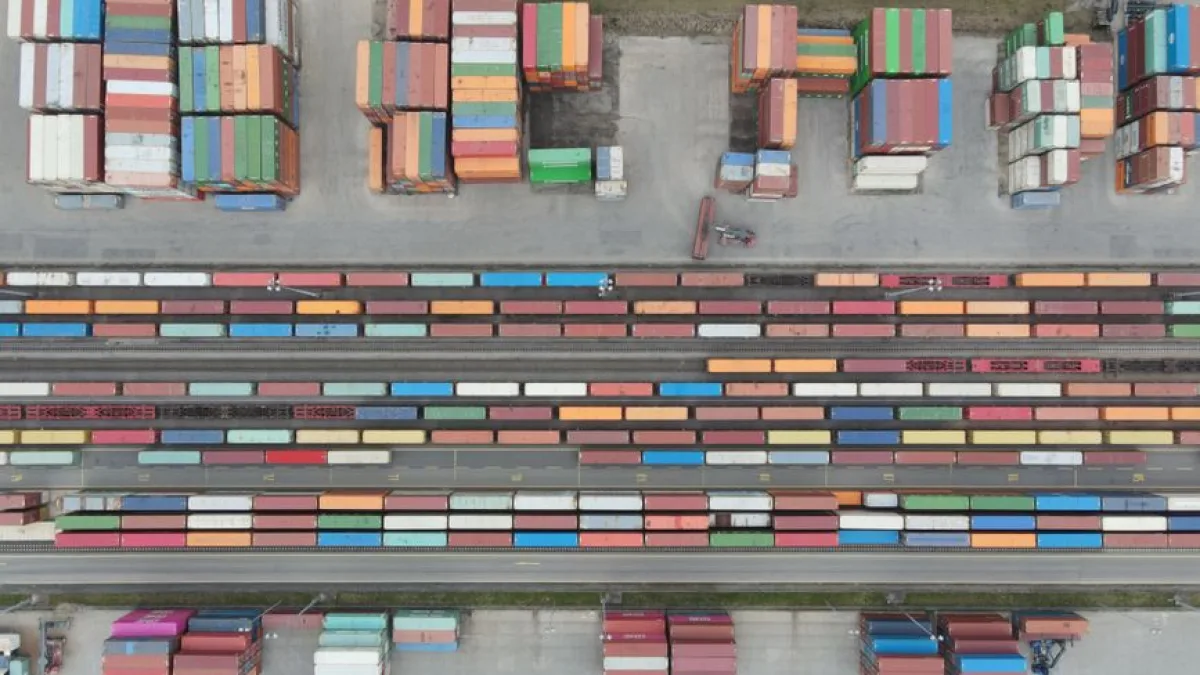
Achieving excellence in customs compliance requires a blend of advanced technology, ongoing training, and a commitment to accuracy. By digitizing your records, mastering tariff classification, and performing regular audits, you safeguard your business against disruptions and build lasting trust with your clients. Start optimizing your compliance workflows with MakeCargo today to ensure your logistics operations remain agile and secure in our fast paced global shipping landscape.