Navigating Customs Compliance in Modern Global Freight Forwarding
Saturday, October 31 2026
Global trade remains the backbone of the world economy but demands extreme precision regarding regulatory adherence. Freight forwarders often struggle with the shifting landscape of international customs requirements and trade laws. As cross-border transactions increase, the risk of delays or heavy penalties rises simultaneously for those without robust compliance systems. Technology is now the primary lever for ensuring documentation accuracy, reducing manual data entry, and providing real-time transparency for stakeholders. By automating compliance protocols within your software stack, your logistics firm can minimize human error and secure a competitive advantage in a complex, fast-paced shipping environment today.
Digitizing Essential Customs Documentation

Transitioning from paper-based filing systems to digital customs platforms is essential for modern freight forwarders. Digital tools streamline the submission of critical trade data while ensuring that all stakeholders have instant access to validated shipping documents and compliance certificates.
- Real-time data synchronization: Our platform ensures that customs declarations are updated instantly across all systems to prevent discrepancies that lead to significant shipping delays or costly audits for businesses.
- Automated error detection: Advanced algorithms scan every document for common filing errors before submission to customs authorities, ensuring that your declarations meet international compliance standards every single time.
- Cloud storage access: Securely store and retrieve critical import and export records in the cloud, allowing your team to respond immediately to any inquiries from regulatory bodies worldwide.
- Standardized data templates: Utilize pre-configured templates that align with global trade requirements, reducing the time your staff spends manually inputting repetitive information for every individual shipment order.
Embracing a digital-first approach to customs documentation significantly reduces the administrative burden on your operations team. By leveraging cloud-based platforms, you move away from vulnerable physical files and toward a centralized source of truth. This shift not only accelerates your clearing processes but also builds trust with clients who demand accuracy and professional handling of their high-value goods and sensitive international cargo.
Automating Harmonized System Code Classification
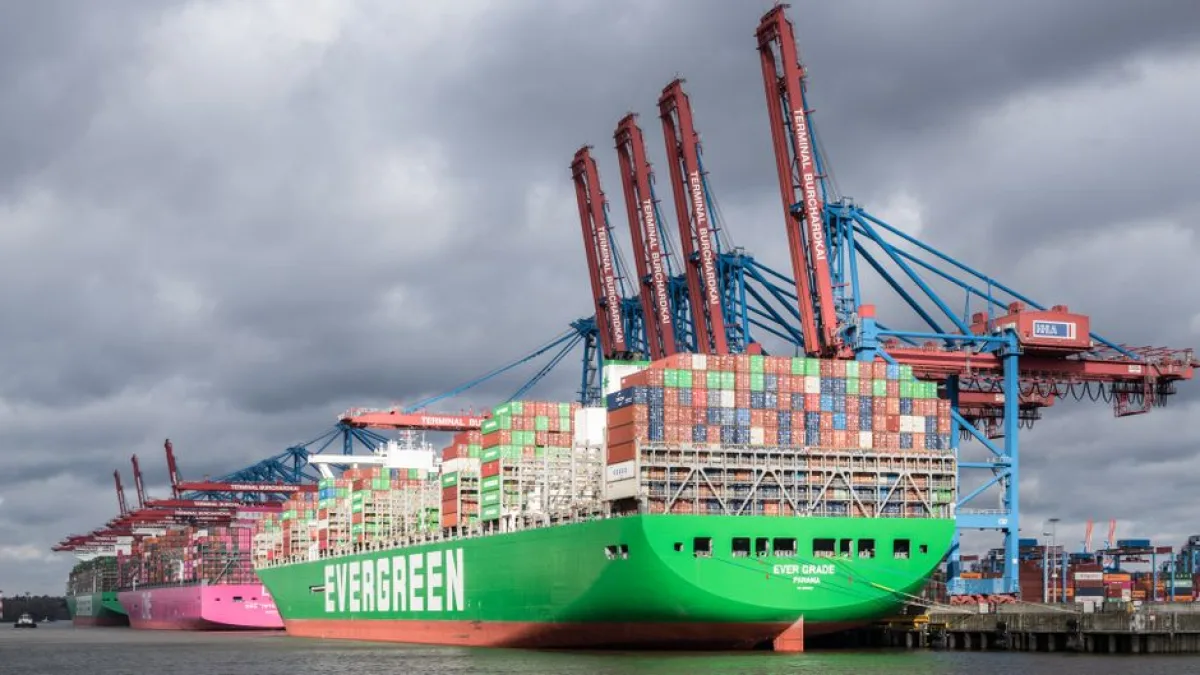
Accurate HS code classification remains a top priority for avoiding trade disputes and incorrect duty calculations. Automating this process reduces the heavy reliance on manual expertise, ensuring consistent results while protecting your company from the risks associated with improper commodity valuation.
- Intelligent code mapping: Use integrated databases to automatically suggest the most accurate HS codes for diverse products, preventing the risk of underpaying or overpaying duties during transit.
- Regulatory compliance checks: The software constantly updates with the latest global trade tariffs to ensure that your freight forwarding business remains compliant with current international trade laws.
- Consistency across shipments: Maintain a centralized database of classifications for your repeat customers, which ensures that commodity descriptions remain uniform across every single bill of lading issued.
- Reduced manual oversight: Save valuable time by eliminating the need for manual lookups in outdated physical rulebooks, allowing your team to focus on high-value logistics strategy instead.
Proper classification is the bedrock of transparent international trade practices and reliable logistics operations. When you automate this crucial step, you mitigate the risk of seizure or punitive fines that result from mislabeling goods. MakeCargo software empowers your team to maintain high standards of accuracy, keeping your client shipments moving smoothly through customs borders without the fear of unexpected administrative hurdles or delays.
Strengthening Supply Chain Visibility
Transparency in logistics provides an essential safety net for freight forwarders. When your systems integrate customs status updates, you gain the ability to proactively manage potential disruptions and provide clear, actionable insights to your clients throughout the entire transit process.
- Live tracking notifications: Provide your clients with automatic updates regarding the customs status of their cargo, which improves overall service quality and reduces the need for constant inquiries.
- Exception alert systems: Receive immediate notifications if a shipment encounters a customs hold, allowing your operations team to intervene quickly and resolve issues before they escalate further.
- Comprehensive audit trails: Maintain a detailed digital history of every shipment event, which is essential for proving compliance during random regulatory reviews or internal company quality audits.
- Enhanced client portals: Enable your customers to view their customs documentation status directly through a secure web portal, promoting transparency and trust in your professional relationship.
Visibility serves as your greatest tool for maintaining operational resilience in volatile global markets. By integrating live customs updates into your standard workflow, you eliminate guesswork for both your internal staff and your external shipping partners. This proactive communication style transforms your service into a reliable partnership, ensuring that clients feel informed while your logistics firm maintains total control over complex international shipments.
Mitigating Risks Through Advanced Analytics
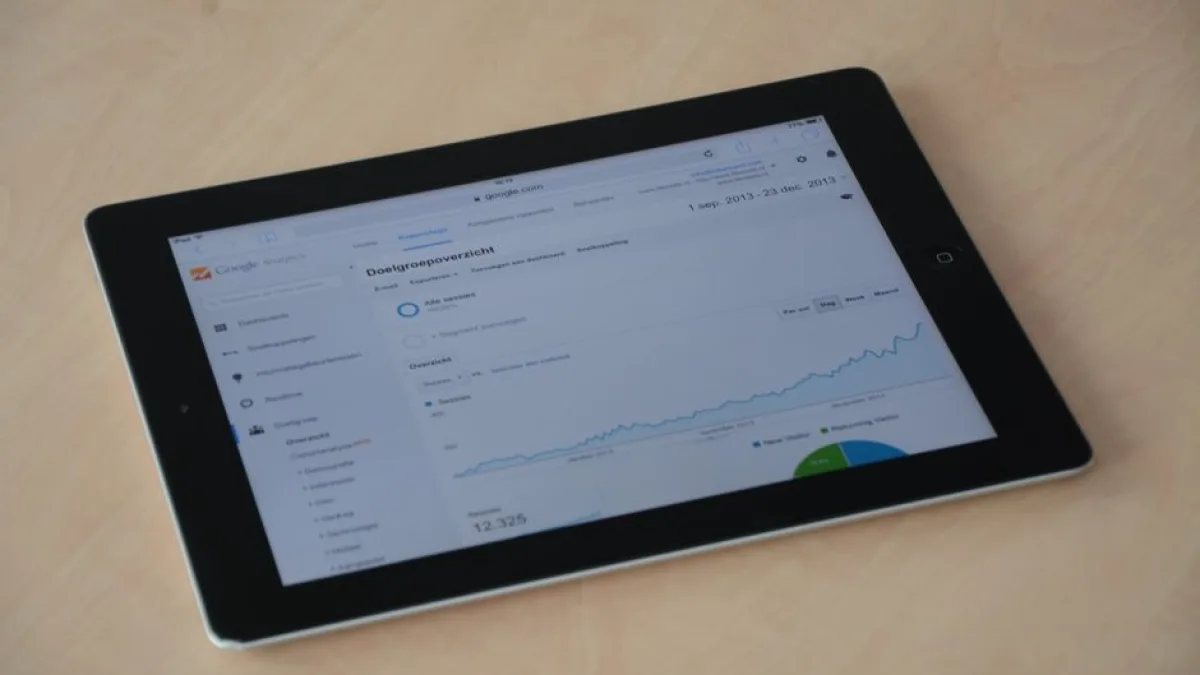
Data analytics transforms raw shipment numbers into actionable intelligence for your compliance strategy. By analyzing historical customs performance, forwarders can identify recurring issues and implement preemptive solutions that optimize their overall shipping operations while maintaining a high level of regulatory compliance.
- Trend analysis reports: Identify patterns in customs delays or documentation errors across specific trade routes, enabling you to adjust your strategy to avoid these common bottleneck areas.
- Vendor performance tracking: Monitor the compliance record of your various shipping partners and carriers to ensure they meet your high standards for professional integrity and document accuracy.
- Predictive compliance modeling: Use historical data to anticipate potential regulatory changes in specific regions, allowing your team to prepare and adapt your workflows well before problems occur.
- Customized compliance dashboards: Visualize your shipping health through interactive charts that highlight key performance indicators, providing leadership with the data needed to make informed business decisions.
Analytics offer a window into the long-term health of your freight forwarding business. Instead of reacting to individual customs crises, you can now address the root causes of compliance issues through data-driven decisions. This strategic approach minimizes your exposure to risks and positions your company as a sophisticated leader in the global logistics industry, capable of handling even the most complex trade regulations.
Conclusion
Modern customs compliance relies on the synergy between advanced technology and professional logistics expertise. By automating your documentation, classification, and tracking processes, you effectively lower risk while increasing the speed of your global operations. Start streamlining your workflows with MakeCargo today to ensure that your freight forwarding business stays compliant, efficient, and ready to meet the evolving demands of international trade and commerce.