Navigating Customs Compliance in the Modern Freight Era
Saturday, August 29 2026
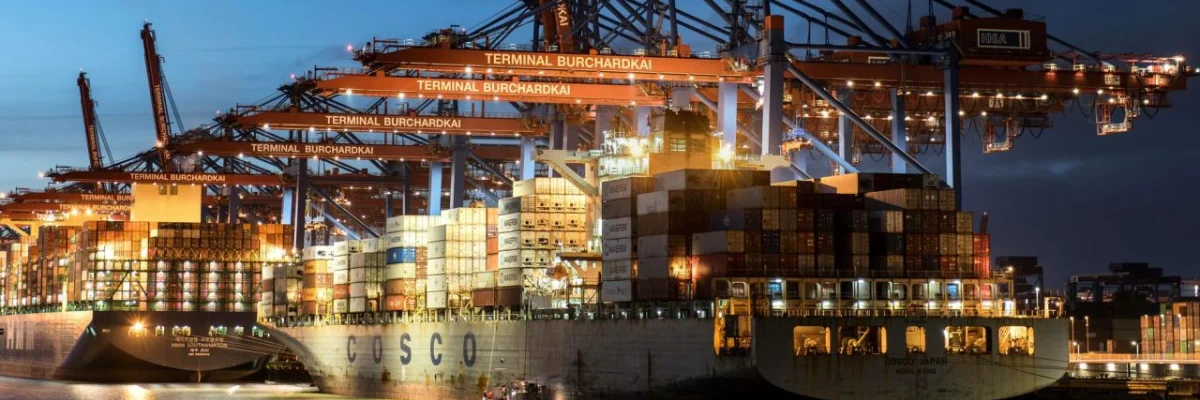
Global trade is currently experiencing a period of intense regulatory transformation, placing unprecedented pressure on freight forwarders to maintain absolute accuracy. As customs authorities around the world implement digitized processes and stricter enforcement protocols, the margin for error has virtually vanished. Managing cross-border shipments requires a sophisticated approach to data integrity, where manual paperwork is replaced by real-time visibility and automated validation. Professionals must now leverage advanced cloud-based platforms to ensure that every declaration meets local mandates. By prioritizing transparency and proactive documentation, forwarding teams can mitigate costly delays and prevent heavy financial penalties, keeping supply chains flowing smoothly despite complex international laws.
Understanding Digital Customs Declarations

The transition toward digital customs declarations has fundamentally altered the operational landscape for freight forwarders. Moving away from paper-based systems requires a firm grasp of electronic data interchange protocols to ensure that all information transmitted to government agencies remains consistent and compliant.
- Automated Data Validation: Digital platforms automatically cross-reference shipment details against national tariff databases to ensure that HS codes and tax calculations are accurate before the submission occurs to authorities.
- Real-time Status Updates: Modern software provides instant feedback on declaration status, allowing forwarders to identify potential roadblocks immediately and rectify discrepancies without causing significant delays in cargo transit.
- Standardized Document Handling: Utilizing cloud templates ensures that all customs paperwork follows global standards, reducing the risk of clerical errors that frequently lead to shipments being held at borders.
- Secure Data Encryption: Protecting sensitive client information during the digital filing process is vital for maintaining professional trust and adhering to strict international data privacy and security regulations.
Adopting these digital practices allows forwarders to move much faster while significantly reducing the likelihood of human error during manual entry. By integrating validation tools directly into the forwarding workflow, teams can catch inconsistencies before they trigger audits or fines. This technical shift acts as a powerful buffer against regulatory volatility, ensuring that goods reach their destinations with minimal interference from bureaucratic hurdles or compliance risks.
Mastering International Trade Regulations

Staying updated with shifting international trade regulations requires a dedicated strategy for continuous learning and information management. With geopolitical tensions impacting trade routes and tariffs frequently changing, freight forwarders must actively monitor global policy shifts to provide accurate advice to their clients.
- Active Policy Monitoring: Subscribing to customs authority newsletters and industry alerts ensures that forwarding teams are the first to know about changes in local import and export requirements.
- Regular Staff Training: Conducting recurring workshops helps the entire operations team understand the latest legal frameworks and compliance standards, fostering a company culture built on deep regulatory knowledge.
- Client Advisory Services: Proactive communication regarding changes in trade law positions the forwarder as a strategic partner who helps clients avoid unexpected costs and logistical bottlenecks during shipping.
- Document Audit Procedures: Implementing routine internal audits of previous customs filings ensures that your company maintains high standards of compliance and identifies areas for future workflow process improvement.
Knowledge serves as the ultimate competitive advantage in the volatile world of international freight shipping. When forwarders master the regulatory landscape, they transform compliance from a stressful administrative burden into a reliable service offering. Clients value partners who can navigate complex legal terrain with confidence and precision, which ultimately secures long-term loyalty and reduces the potential for costly legal disputes regarding international customs.
Effective Risk Management Strategies

Risk management in customs compliance involves identifying potential points of failure within your logistics network and implementing robust preventative measures. Forwarders who adopt a proactive stance toward risk reduction are far better equipped to handle unexpected inspections or sudden changes in trade compliance enforcement.
- Supply Chain Visibility: Maintaining end-to-end transparency across all transit segments helps forwarders track documentation flow and ensure that every actor in the chain follows prescribed compliance steps.
- Proactive Problem Solving: Developing contingency plans for common customs issues, such as incomplete paperwork or classification disputes, allows teams to act quickly when unexpected challenges eventually arise.
- Vendor Compliance Vetting: Thoroughly reviewing the compliance records of sub-contractors and partners ensures that your company is not held liable for the oversight of external parties involved.
- Centralized Record Keeping: Storing all customs documents in a single, accessible cloud platform simplifies the retrieval process during agency audits and provides a verifiable paper trail for regulators.
Managing risk effectively requires a balance between speed and precision during every stage of the shipment lifecycle. By implementing standardized processes and centralized digital records, forwarders can confidently demonstrate their commitment to compliance whenever authorities request documentation. This strategic approach minimizes disruptions, protects your company reputation, and ensures that you remain a dependable logistics partner capable of navigating any potential threat or complication.
Leveraging Technology for Compliance
Technology remains the most important tool for freight forwarders aiming to streamline their customs compliance efforts. Cloud-based software platforms offer the integration necessary to link internal operations with external customs systems, creating a seamless flow of information that reduces manual intervention and boosts overall productivity.
- Seamless System Integration: Connecting your forwarding platform directly with customs portals facilitates faster filing and eliminates the need for redundant data entry across multiple disparate software systems.
- Data Analytics Capabilities: Analyzing historical customs data helps companies identify patterns that lead to delays, enabling data-driven adjustments to shipping processes that optimize future transit times efficiently.
- Scalable Digital Solutions: Using cloud infrastructure allows forwarders to expand their operations into new global markets without the logistical headache of learning entirely new, legacy-based software systems.
- Enhanced Operational Transparency: Detailed reporting features provide management with a clear view of compliance performance, supporting smarter decision making and long-term business growth across international borders.
Investing in the right software is the most efficient way to scale your forwarding business while maintaining rigorous compliance standards. These platforms act as a central nervous system for your logistics operations, ensuring that data flows without interruption between your team and customs officials. With the right tools, you can transform compliance from a time-consuming task into a streamlined, automated, and highly reliable operational advantage.
Conclusion
Mastering customs compliance is an ongoing journey that requires dedication to accuracy and the smart use of modern technology. By centralizing data and staying informed on changing regulations, forwarders can protect their clients from unnecessary risk and operational delays. We invite you to explore how our cloud-based tools at MakeCargo can help you simplify your compliance workflows and elevate your service standards in today's competitive global market.