Navigating the New Era of Digital Freight Forwarding
Sunday, August 16 2026
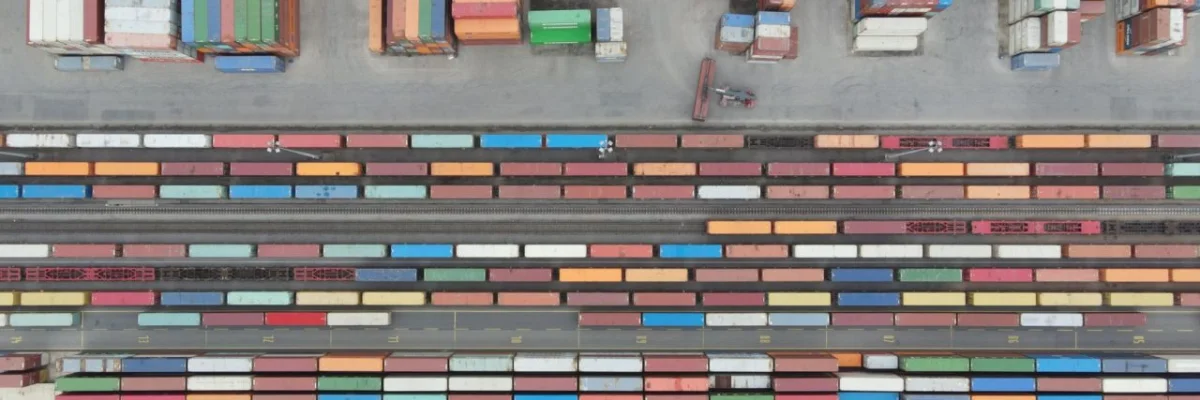
The global logistics landscape is undergoing a massive transformation driven by rapid technological integration and shifting trade dynamics. Freight forwarders are currently facing pressure to modernize their internal operations to handle complex supply chain demands while maintaining competitive pricing structures. Adopting advanced cloud based platforms is no longer a luxury but a strategic necessity for agencies that want to remain viable. As manual workflows become obsolete, industry leaders are turning toward automation to enhance visibility, accuracy, and efficiency across all operational touchpoints. This evolution marks a significant departure from traditional legacy systems, pushing firms to prioritize scalability and seamless data connectivity in their daily management.
The Rise of Automated Documentation

Automated documentation is fundamentally changing how logistics firms process high volumes of international paperwork. By digitizing bills of lading and customs declarations, forwarders can significantly reduce the risk of human error while accelerating the pace of global trade movements for clients.
- Improved Data Accuracy: Automated entry systems ensure that every field is populated correctly, reducing the chances of costly customs rejections or delays caused by simple clerical typos in forms.
- Faster Processing Speeds: Digital tools allow for the near instant generation of documents, which drastically shortens the turnaround time for critical paperwork during busy transit and loading cycles.
- Reduced Administrative Overhead: Shifting to paperless workflows decreases the reliance on manual filing and physical storage, allowing your staff to focus on higher value tasks like customer relationship management.
- Enhanced Regulatory Compliance: Modern software platforms update automatically to reflect current international trade laws, ensuring that all generated documentation remains strictly compliant with the latest global shipping regulations.
- Centralized Information Hub: Storing all documentation in one cloud location makes it easy for authorized team members to access vital files from any global branch at any time.
Transitioning away from paper processes is a vital step for any forwarder aiming to stay competitive today. By embracing automation, you liberate your team from mundane tasks that typically consume hours of their day. This shift does more than just save time. It empowers your employees to provide proactive service, resulting in stronger client retention and a reputation for reliability in a crowded market.
Real Time Cargo Visibility

Real time tracking has moved from a premium offering to a baseline expectation for shippers. Providing instant updates on cargo status requires robust software integration that connects logistics providers directly with live vessel and carrier data feeds globally.
- Live Shipment Tracking: Clients gain complete transparency into the location of their goods, which reduces the need for constant status check emails and saves your team valuable communication time.
- Predictive Delay Alerts: Advanced analytics detect potential disruptions before they impact your delivery schedule, allowing you to provide proactive solutions to your clients before issues escalate into crises.
- Client Portal Integration: Providing a branded customer portal builds significant trust and professional authority by giving clients direct access to their shipment data without needing manual intervention.
- Optimized Route Planning: Data driven insights help your operations team choose the most efficient routes, reducing transit times and fuel consumption while enhancing overall supply chain performance for shippers.
- Automated Status Updates: Set up custom triggers that notify clients automatically when their cargo reaches specific milestones, keeping them informed throughout the entire lifecycle of their complex international shipment.
Visibility serves as the backbone of modern freight forwarding services. When you offer clear insights into the shipping process, you remove the guesswork that often leads to frustration. Integrating live tracking into your workflow does not just improve operational transparency. It also positions your company as a tech forward leader capable of managing complex logistics challenges with precision, confidence, and complete operational clarity.
Optimizing Warehouse and Inventory
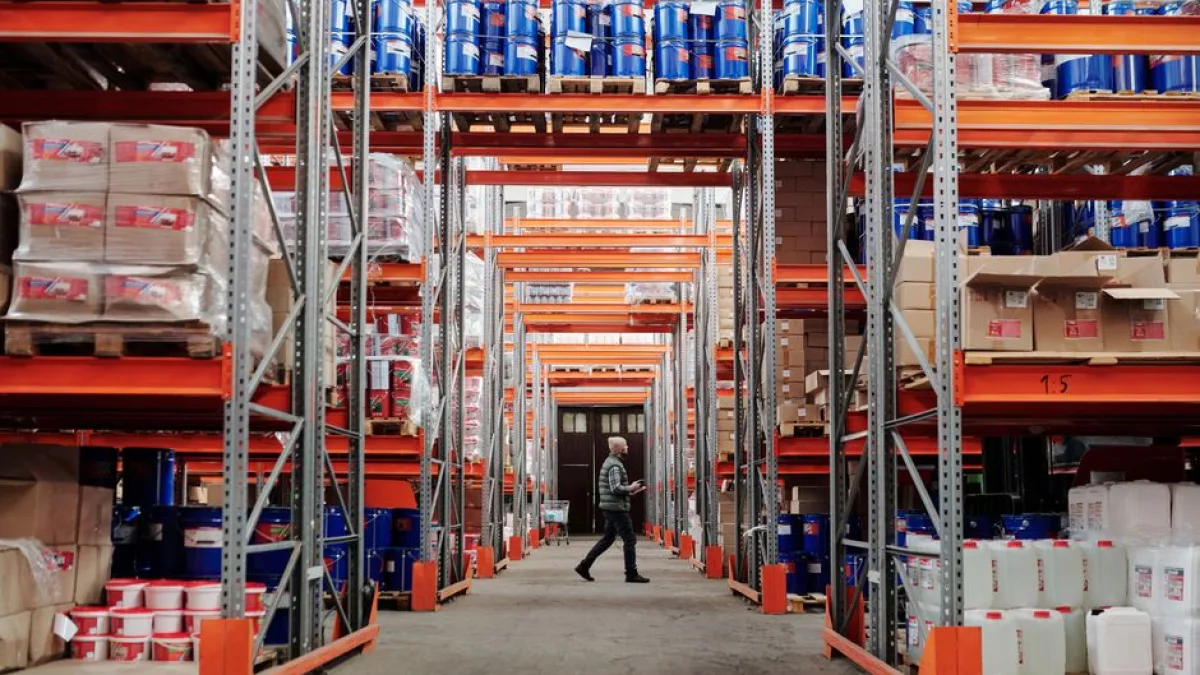
Efficient warehouse management is essential for maintaining a seamless supply chain. By utilizing cloud software to monitor inventory levels and storage capacity, forwarders can avoid common bottlenecks and ensure that cargo flow remains consistent throughout the entire shipping process.
- Real Time Inventory: Keeping a precise count of stock levels across multiple locations helps prevent overstocking or shortages that could otherwise lead to expensive delays in your distribution network.
- Space Utilization Insights: Advanced software tools analyze your storage usage patterns, allowing you to maximize available square footage and reduce the costs associated with excessive or unused space.
- Automated Reorder Triggers: Establishing predefined thresholds for inventory ensures that replenishment happens automatically, eliminating the risk of human oversight when it comes to managing critical cargo storage supplies.
- Improved Picking Accuracy: Mobile scanning and digital manifest systems drastically increase the speed and accuracy of order fulfillment, ensuring that the right cargo is processed for every client.
- Simplified Reporting Tools: Generate detailed performance reports that highlight key metrics like stock turnover rates, which help in making informed decisions about future logistics and storage space investments.
Smart inventory management transforms how you handle assets within your control. It minimizes waste and maximizes the throughput of your facilities, which directly impacts your bottom line. By leveraging technology to keep your storage operations lean and responsive, you provide better service to your clients. This level of operational excellence is what distinguishes top tier freight forwarding agencies from their local competitors.
Strengthening Client Communication

Consistent communication remains the primary indicator of a successful client relationship. Modern software streamlines this process by aggregating messages, documents, and tracking data into one interface, ensuring that your team and your clients stay perfectly aligned at all times.
- Unified Messaging Streams: Consolidating communication into a single platform prevents critical information from being lost in email chains, which helps maintain clarity during complex multi stage logistics project planning.
- Customizable Client Notifications: Personalize the frequency and type of updates your clients receive to match their individual preferences, which demonstrates a high level of care and personalized customer service.
- Secure Data Sharing: Using built in secure sharing features allows you to send sensitive customs or financial documents without risking the security of your client information or company data.
- Instant Support Ticketing: Implement a structured system for handling client inquiries that assigns tickets to the right experts, ensuring that every request is addressed promptly and handled professionally.
- Automated Feedback Loops: Send out automated surveys after delivery to gather valuable performance insights, which helps you continuously improve your service offerings based on real feedback from your clients.
Strong communication protocols are the key to building lasting partnerships. When your clients feel informed and supported, they are much more likely to remain loyal to your brand. Technology facilitates this by removing friction from daily interactions. By standardizing your communication methods, you save time, reduce misunderstandings, and create a positive, professional experience that encourages long term collaboration and steady business growth.
Conclusion
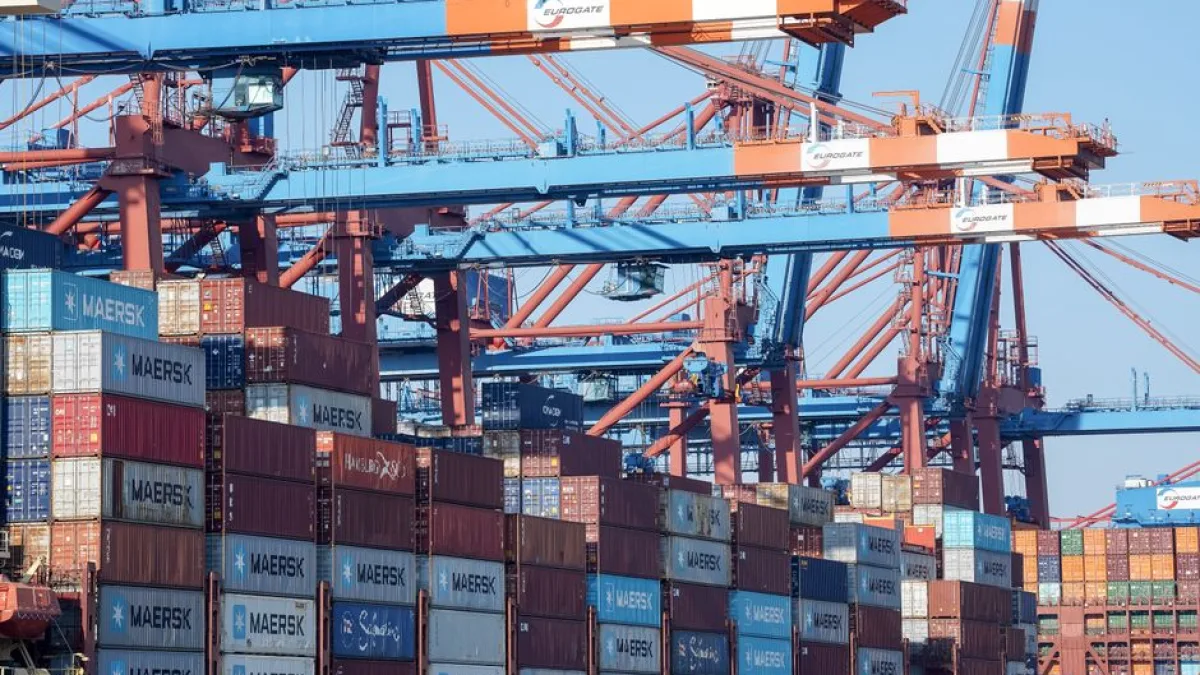
Adopting a comprehensive freight forwarding platform is a transformative move for any logistics agency. By automating documentation, enhancing cargo visibility, optimizing warehouse operations, and improving client communication, you position your firm for sustainable success in a competitive market. Start exploring modern software solutions today to streamline your workflows, reduce unnecessary overhead, and provide the exceptional service that your clients rightfully expect from a professional partner.