Navigating the New Era of Digital Freight Forwarding
Tuesday, September 15 2026

The global logistics landscape is undergoing a profound transformation as technology reshapes traditional shipping operations. Freight forwarders are increasingly moving away from manual, paper-heavy workflows to embrace cloud-based platforms that offer real-time visibility and enhanced data integrity. This shift is not merely about staying competitive but about ensuring operational resilience in a volatile market. As international trade routes become more complex, the ability to centralize documentation, automate communication, and provide instant status updates has become the primary differentiator for successful forwarding businesses seeking to satisfy modern client demands for transparency and speed.
The Rise of Automated Documentation

Automated documentation is revolutionizing how forwarding teams handle complex customs requirements and bill of lading generation. By minimizing manual input, companies significantly reduce the likelihood of costly human errors that often lead to severe delays and potential regulatory compliance fines.
- Reduced manual error: Intelligent software platforms automatically pull data from existing records to populate documents, which drastically lowers the risk of typos that often cause shipping delays at borders.
- Faster document processing: Automated systems allow forwarding teams to generate, sign, and share necessary shipping papers in seconds, ensuring that cargo moves through ports without unnecessary waiting periods.
- Improved regulatory compliance: Cloud tools keep up to date with shifting international trade laws to ensure that every document meets the specific requirements of destination customs authorities worldwide.
- Centralized data storage: Keeping all critical documentation within a single cloud-based portal ensures that every team member accesses the latest file versions instead of outdated email attachments.
- Enhanced audit trails: Digital platforms maintain a comprehensive history of every change made to a document, which provides total accountability and transparency during any internal or external audit.
Transitioning to automated documentation workflows creates a more efficient environment for your entire team. By removing the repetitive tasks associated with data entry, your staff can focus on high-value client relationships and strategic logistics planning. This strategic shift not only improves internal productivity but also elevates the quality of service provided to shippers, positioning your firm as a modern leader in the competitive freight sector.
Real-Time Visibility and Tracking

True visibility provides a competitive advantage by allowing forwarders to offer proactive updates to clients regarding their cargo status. Modern tracking technology transforms opaque supply chains into transparent pathways, building trust through constant communication and accurate shipment arrival predictions.
- Instant shipment status: Real-time tracking modules enable freight forwarders to provide immediate answers to client inquiries without the need for time-consuming manual checks across multiple different carrier systems.
- Proactive delay management: Early warning notifications allow teams to resolve minor logistics hurdles before they escalate into major disruptions that impact the overall supply chain project timeline.
- Enhanced client trust: Offering customers a dedicated portal to view their cargo movement fosters a sense of security and reliability that leads to improved long-term client retention.
- Optimized carrier selection: Accessing performance data allows you to choose the most reliable carriers for specific trade lanes, which improves your overall service quality and consistency.
- Automated status alerts: Smart notification systems automatically email or text your clients when a shipment reaches a milestone, reducing the workload for your customer service support staff.
Providing real-time tracking is now a standard requirement rather than an optional bonus feature. When your clients can see exactly where their goods are, the frequency of support calls decreases significantly, freeing your team for other tasks. Investing in visibility tools demonstrates a commitment to transparency that strengthens professional relationships and helps your forwarding business stand out in a crowded, high-pressure global marketplace.
Optimizing Warehouse and Port Operations
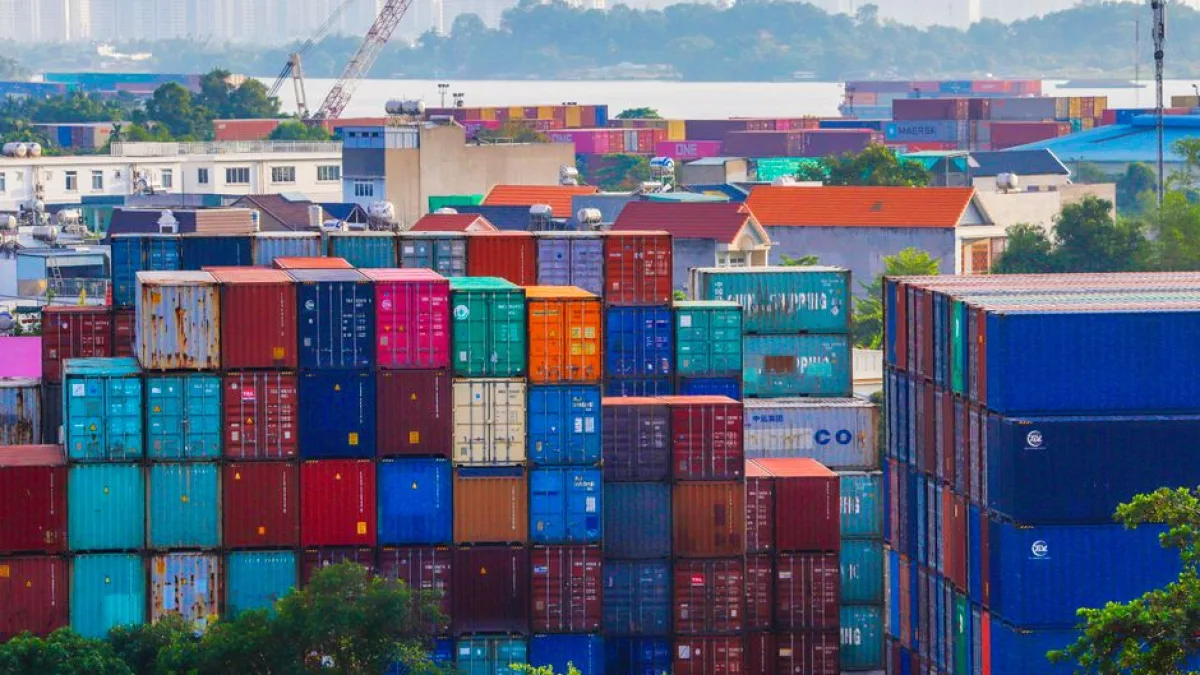
Efficient movement within ports and warehouses is essential for preventing bottlenecks that stifle overall supply chain efficiency. By leveraging cloud data, forwarders can better synchronize their operations with terminal activities, ensuring that trucks and containers are utilized to their maximum capacity.
- Improved asset utilization: Advanced data analytics help managers identify underused resources, allowing them to optimize warehouse space and truck scheduling for much better daily operational performance levels.
- Reduced port congestion: Integrating with port systems allows forwarders to schedule pickups more effectively, which avoids long wait times and reduces fuel consumption for your logistics partners.
- Better resource allocation: Analyzing workflow data helps identify peak demand times so that staffing levels can be adjusted accordingly to maintain high service standards during busy periods.
- Lower operating costs: Optimizing every step of the warehouse process reduces wasted time and energy, directly contributing to higher profit margins and more competitive pricing for customers.
- Streamlined yard management: Digital gate systems facilitate faster check-ins and check-outs for drivers, which maintains a smooth flow of traffic within busy distribution centers and terminal zones.
Optimizing warehouse and port operations is a critical factor for maintaining profitability in the modern forwarding industry. When logistics companies focus on reducing idle time and streamlining physical handoffs, they create a much leaner operation. This efficiency boost ultimately benefits the entire supply chain, ensuring that cargo flows smoothly from origin to destination while minimizing the impact of unforeseen external variables at port facilities.
Future Trends in Global Logistics

The future of global logistics points toward deeper integration of artificial intelligence and predictive analytics within forwarding platforms. Adopting these emerging technologies today prepares your business to handle the increased complexity and data-driven demands of tomorrow, ensuring your long-term relevance and overall operational success.
- Predictive analytics growth: Future platforms will use historical data to forecast potential delays, allowing forwarders to reroute shipments well in advance of any major supply chain issues.
- Artificial intelligence integration: Smart algorithms will soon handle routine logistics decisions, which allows human professionals to focus on high-level strategy and managing complex, unique international shipping challenges.
- Sustainability reporting tools: New features will enable forwarders to track and report carbon emissions per shipment, helping clients achieve their own corporate environmental and social sustainability goals.
- Seamless system connectivity: Growing API integration will connect forwarding software to accounting, banking, and inventory systems for a truly unified approach to global trade management operations.
- Enhanced cybersecurity measures: As the industry becomes more digital, top-tier platforms are investing heavily in advanced encryption to protect sensitive trade data from increasingly sophisticated cyber threats.
Looking toward future trends is essential for any professional freight forwarder committed to long-term growth. The industry is moving rapidly toward total digital integration, where data acts as the backbone of every logistics decision. By embracing these advancements now, your firm will be well-equipped to navigate the complexities of global trade, providing superior value to clients while maintaining a robust and scalable business model.
Conclusion

Adopting cloud-based software is the most effective way to modernize your freight forwarding business. By focusing on automation, visibility, operational efficiency, and future-ready technology, you can significantly improve your service offerings. Start evaluating your current digital workflows today to identify where technology can drive greater success. Making these strategic adjustments will ensure your company remains a highly competitive and profitable partner in the global market.