Navigating the New Era of Digital Freight Forwarding
Wednesday, October 28 2026
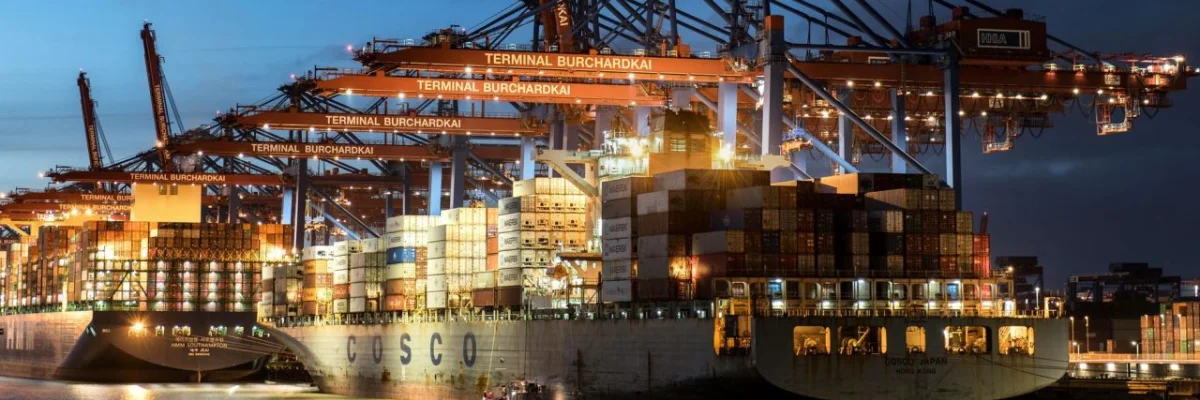
The global logistics landscape is undergoing a profound transformation as technology continues to reshape how freight forwarders handle daily operations. As supply chain complexities mount and client expectations for real-time visibility intensify, the shift toward cloud-based management platforms has become an essential strategy rather than a luxury. Forward-thinking companies are now abandoning legacy systems in favor of integrated digital solutions that offer superior speed, accuracy, and scalability. This transition allows professionals to reclaim valuable time from manual processes while ensuring that every shipment is managed with the precision required to thrive in a highly competitive and interconnected international market.
Modernizing Shipment Tracking Efficiency
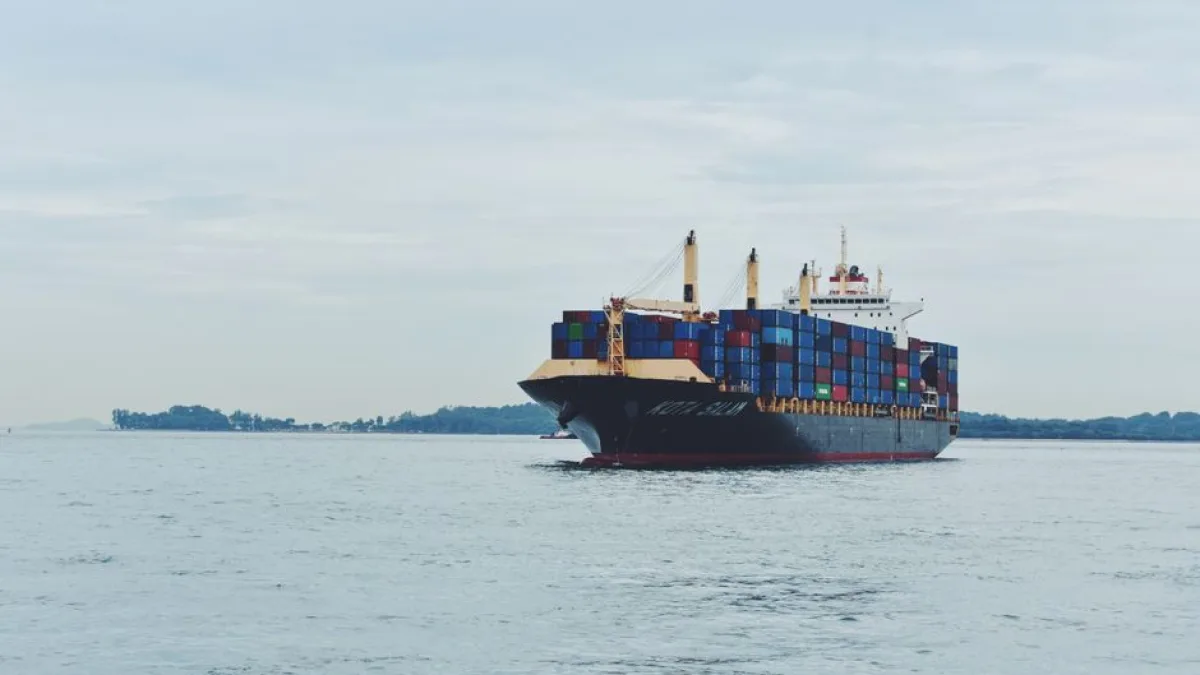
Real-time visibility serves as the backbone of modern freight forwarding, allowing companies to monitor assets across vast distances with ease. By utilizing cloud technology, businesses can provide stakeholders with precise updates, drastically reducing the time spent on manual status inquiries.
- Real-time data feeds: Integrate live tracking APIs directly into your dashboard to provide clients with instant shipment updates that eliminate the need for repetitive and time-consuming manual status checks.
- Automated status notifications: Configure your platform to trigger automatic alerts when containers hit key milestones, ensuring your customers remain informed and satisfied throughout the entire transit lifecycle process.
- Unified visibility portals: Consolidate data from multiple carrier partners into a single view, creating a streamlined interface that simplifies complex logistics workflows for your internal operations and external partners.
- Data-driven decision making: Leverage historical shipping data to identify potential bottlenecks in your routing strategies, allowing your team to proactively adjust plans before delays impact the final delivery.
Adopting advanced tracking tools enables freight forwarders to differentiate themselves in a crowded marketplace. By offering unmatched transparency, you build long-term trust with clients while reducing the administrative burden on your staff. These digital improvements create a scalable environment where operational efficiency flourishes, ultimately leading to higher profit margins and increased customer retention rates as your firm continues to grow in this fast-paced industry.
Streamlining Documentation and Compliance

Managing global trade requires rigorous attention to documentation, as even minor errors can lead to expensive delays. Cloud-based platforms centralize these critical assets, providing a secure environment for document management while ensuring that compliance standards are met with consistent accuracy.
- Automated document generation: Utilize smart templates to create bills of lading and commercial invoices automatically, which significantly reduces the risk of human error during repetitive data entry tasks.
- Secure document storage: Keep all essential shipping records in a centralized cloud vault that allows for easy retrieval, audit-ready compliance checks, and secure sharing with global customs authorities.
- Digital signature integration: Implement secure e-signature tools to finalize contracts and authorization forms instantly, removing the need for slow postal services or bulky physical filing cabinets entirely.
- Compliance tracking updates: Receive automated alerts regarding changes in international shipping regulations, helping your team stay ahead of legal requirements and avoid costly fines or cargo holds.
Digital documentation removes the physical friction that slows down global supply chains every single day. By transitioning to a paperless environment, forwarders can execute tasks with greater speed and precision. This shift not only enhances productivity but also provides a robust audit trail that protects your business from potential legal disputes while creating a more professional and modern experience for your international trade clients.
Optimizing Warehouse and Inventory Management

Effective warehouse management ensures that cargo moves seamlessly from point A to point B without unnecessary hold-ups. Integrating software that tracks inventory levels in real-time allows for better coordination between ground transport, port operations, and your final distribution centers globally.
- Live inventory tracking: Maintain an accurate count of all cargo stored in your facilities by using real-time scanning tools that update your master digital record instantly and accurately.
- Dynamic space optimization: Analyze storage patterns to maximize the use of available square footage, ensuring that high-turnover goods are placed in easily accessible areas for faster processing.
- Automated inventory alerts: Set threshold triggers to inform your team when stock levels fluctuate, preventing shortages and ensuring that outgoing shipments are always prepared according to schedule demands.
- Efficient loading workflows: Streamline the staging of outgoing goods by utilizing digital pick lists that organize items based on shipping priority and final destination transport requirements.
Strategic inventory management transforms a warehouse from a cost center into a powerful engine for growth. By maintaining high levels of accuracy, you minimize the risk of lost cargo and reduce the time spent searching for misplaced items. Embracing these digital workflows helps your team manage higher volumes of trade with less stress, ultimately allowing for a more agile response to client requests.
Collaborating in the Cloud Environment

Collaboration is vital when handling complex logistics projects that involve various stakeholders across different time zones. Cloud-based platforms facilitate seamless communication, allowing team members to access the same information simultaneously, which eliminates the fragmentation often caused by outdated internal email communication channels.
- Instant team messaging: Use integrated communication tools to discuss specific shipment challenges, keeping all relevant project context preserved alongside the actual shipping data for future reference or audit.
- Role-based access control: Assign specific permissions to different employees, ensuring that each user has access only to the data necessary for their specific role and daily tasks.
- Centralized project management: Create shared task lists and project boards that keep every department aligned on deadlines, ensuring that no critical shipping milestones are missed during operations.
- External partner portals: Grant controlled access to verified vendors and local agents, fostering a collaborative ecosystem that speeds up information exchange and strengthens your overall service delivery.
A cloud-first approach to teamwork breaks down the walls that typically hinder communication in global logistics. By creating a unified digital space, your staff can operate as a cohesive unit regardless of their physical location. This improved level of connectivity ensures that everyone is working from the same source of truth, leading to faster problem resolution and a significantly improved client service experience.
Conclusion

The future of freight forwarding is undeniably digital. By embracing cloud-based software, professionals can eliminate manual inefficiencies and focus on delivering exceptional value to their global customers. These tools not only modernize current workflows but also provide the scalability needed to handle future growth. Start your digital transformation today to ensure your forwarding business remains competitive and agile in an evolving international logistics market.