Navigating the New Era of Digital Freight Forwarding
Thursday, October 29 2026

The global logistics landscape is undergoing a massive transformation driven by rapid technological adoption and changing market demands. For freight forwarders, keeping pace with these developments is no longer optional but a critical necessity for maintaining a competitive edge in an increasingly complex supply chain ecosystem. As industry participants seek greater visibility and efficiency, the reliance on manual processes is fading in favor of integrated cloud solutions. This article examines the essential trends shaping the future of cargo management, offering actionable insights for forwarders who aim to optimize their daily operations and drive sustainable long term growth.
Modernizing Port Operations
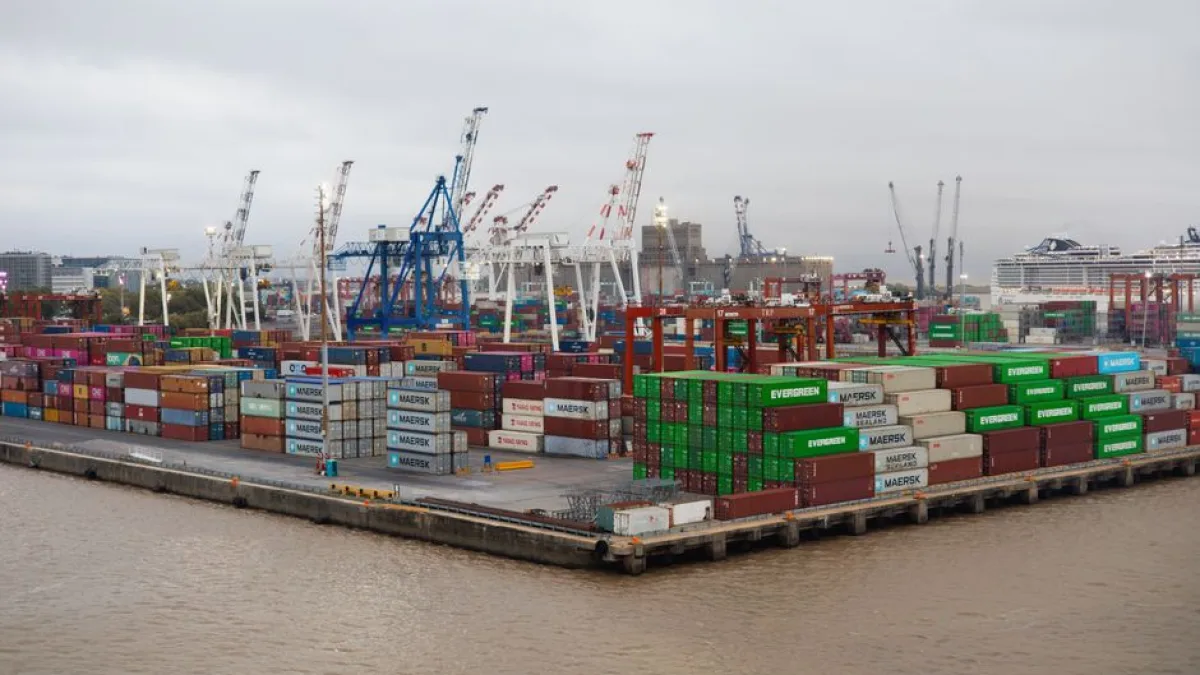
Modern ports are increasingly deploying automated cranes and sophisticated tracking systems to manage the surge in global trade volumes. These upgrades aim to reduce idle times for vessels and ensure that container movements remain fluid throughout the busiest shipping seasons worldwide.
- Automated terminal systems: Digital integration between port terminals and freight software allows for real-time updates on container status, significantly reducing the administrative burden on forwarders managing complex maritime shipments.
- Reduced processing delays: Implementation of electronic data interchange protocols streamlines customs clearance processes, enabling cargo to move out of the port gates faster than traditional paper based methods allowed.
- Optimized equipment tracking: IoT sensors embedded in infrastructure provide granular data on equipment health, which helps planners anticipate maintenance needs before breakdowns disrupt the entire flow of global logistics.
- Enhanced berth scheduling: Advanced algorithms now predict arrival windows with higher precision, allowing forwarders to coordinate landside trucking and rail services without the risk of costly waiting time charges.
By embracing these technological advancements at the port level, forwarders can significantly enhance their service reliability. Integrating directly with port management platforms provides a clear window into operational bottlenecks, allowing teams to adjust routing strategies proactively. This transparency not only improves client satisfaction but also maximizes asset utilization across the board, setting a new standard for operational excellence in the competitive freight forwarding sector today.
Cloud Software Integration

Cloud based platforms serve as the backbone for modern logistics companies, providing a unified space where data flows freely across departments. These systems consolidate fragmented information into actionable intelligence, supporting faster decision making processes during high pressure shipping periods every day.
- Seamless data connectivity: Cloud architecture ensures that every stakeholder in the supply chain accesses the same accurate information, eliminating communication silos that often lead to expensive shipping errors.
- Scalable infrastructure growth: Software platforms built on the cloud allow businesses to scale resources up or down depending on seasonal demand without investing in heavy local server hardware.
- Secure information sharing: Encrypted cloud storage protocols protect sensitive cargo documentation while ensuring that authorized personnel can retrieve vital files from any location across the global network.
- Real time analytics: Integrated dashboard tools transform raw shipping data into visual reports, helping management identify profitability gaps and optimize resource allocation across different freight trade lanes.
Adopting a robust cloud software strategy is essential for forwarders who want to maintain agility in a volatile market. By moving away from legacy software, companies can automate repetitive tasks, reduce human error, and provide clients with professional tracking portals. This digital transition effectively lowers overhead costs while boosting team productivity, ultimately allowing forwarders to focus on high value customer relationship management instead of documentation.
Optimizing Last Mile Delivery

Last mile delivery remains the most critical and expensive segment of the supply chain, requiring precise coordination to ensure timely arrival at final destinations. Forwarders are now utilizing route optimization tools to minimize fuel consumption and meet increasing customer expectations for speed.
- Smart route planning: Dynamic software recalculates delivery paths based on live traffic data, ensuring that cargo reaches its end point through the most efficient route available at that moment.
- Electronic proof delivery: Digital signature capture and photo documentation provide instant confirmation of successful arrivals, effectively reducing disputes and improving trust between forwarders and their local shipping partners.
- Dynamic fleet management: Real time GPS tracking allows dispatchers to monitor driver performance and make instant adjustments if unexpected road closures or delays impact the planned delivery schedule.
- Customer notification tools: Automated SMS or email updates provide end customers with precise delivery windows, reducing failed attempts and increasing overall satisfaction with the freight forwarding service provided.
Mastering the last mile requires a blend of reliable software and effective communication with local courier networks. When forwarders implement digital systems that automate dispatch and tracking, they create a superior delivery experience that differentiates them from traditional competitors. This level of service is a major factor in client retention, ensuring that your company remains the top choice for complex global logistics projects.
Sustainability in Global Logistics
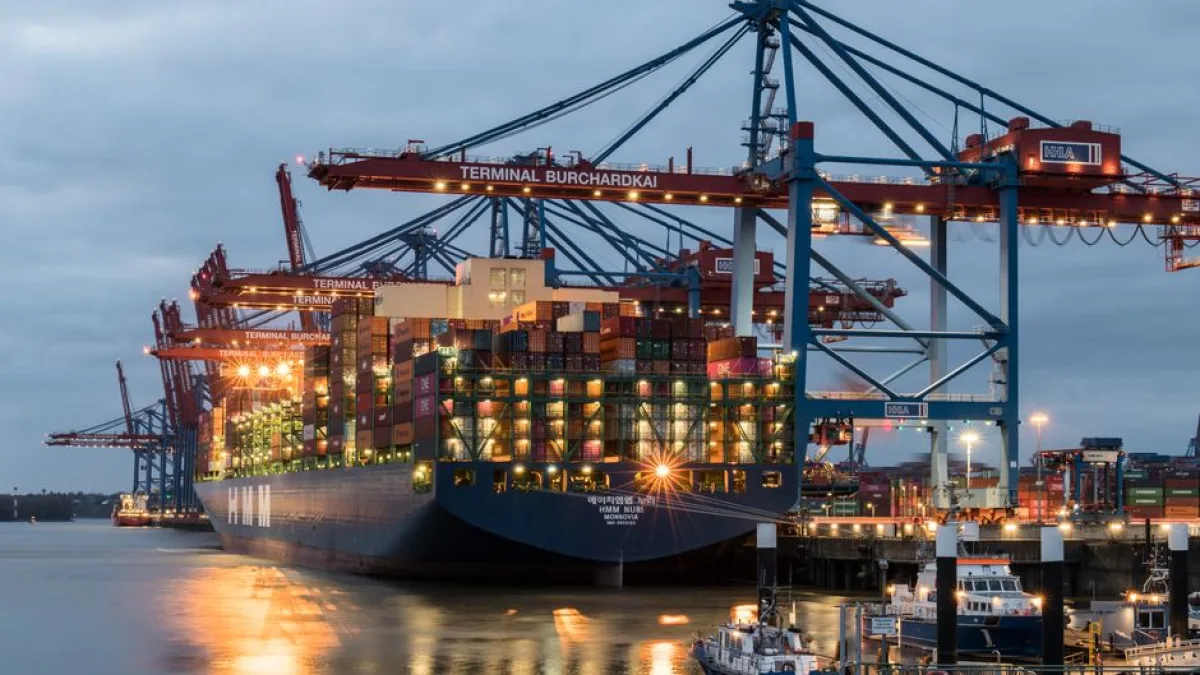
Sustainability is becoming a core pillar of global trade as companies seek to reduce their carbon footprints. Freight forwarders are responding by offering greener routing options and carbon reporting tools that help shippers meet their corporate environmental and social governance goals effectively.
- Carbon emission tracking: Advanced logistics software now includes features that calculate the environmental impact of specific shipping routes, allowing clients to make informed choices based on sustainability metrics.
- Efficient modal shifts: Data driven insights help forwarders advise clients on switching from air to sea or rail, which significantly lowers the overall carbon emissions per unit of cargo.
- Optimized load planning: Intelligent systems maximize container space utilization to reduce the number of shipments required, effectively lowering fuel usage across the entire transportation cycle for every client.
- Paperless document workflows: Transitioning to fully electronic bills of lading and customs forms eliminates massive paper waste, contributing to a more environmentally conscious and efficient operational model globally.
Forwarders who prioritize sustainable practices are finding that they can attract eco conscious clients while simultaneously streamlining their own operations. By leveraging software that reports emissions and optimizes load density, you provide added value that goes beyond basic transport services. This commitment to the planet is a powerful competitive advantage that aligns your business with the future of global, responsible, and ethical trade practices.
Conclusion

The freight forwarding industry is evolving rapidly, and the key to success lies in the smart adoption of modern digital tools. By modernizing operations, moving to the cloud, and prioritizing sustainability, you can build a resilient business that thrives in any market condition. Evaluate your current systems today to ensure you have the technology needed to lead the future of global logistics.