Navigating the New Era of Digital Freight Forwarding Efficiency
Saturday, August 8 2026

The global logistics landscape is undergoing a profound transformation driven by rapid technological adoption and changing customer expectations. Freight forwarders are no longer just moving goods from point A to point B. They are now tasked with providing total transparency and real-time data visibility to a demanding client base. As supply chain complexities mount, firms that leverage cloud-based platforms to automate manual tasks and integrate cross-functional workflows are finding a significant competitive advantage. This article explores how industry leaders are optimizing their operations to stay ahead in a volatile market where agility and digital precision define long-term business success and growth.
Modernizing Operational Workflows

Digital transformation starts with the overhaul of legacy systems that slow down daily operations. By shifting to cloud-native platforms, forwarders gain the ability to manage complex shipments with greater accuracy and speed, ensuring that every team member remains aligned with operational targets.
- Automated Data Entry: Implement advanced tools to automatically capture and process shipment documents which reduces human error and significantly accelerates the speed of customs clearance for your global clients.
- Centralized Documentation Storage: Maintain a single source of truth for all shipping manifests and invoices to ensure that your team can access vital information from any location.
- Workflow Process Automation: Streamline repetitive tasks by creating digital triggers that notify stakeholders automatically when cargo reaches a new waypoint or clears a mandatory border inspection hurdle.
- Cloud System Scalability: Leverage scalable infrastructure that grows alongside your volume, allowing you to manage fluctuating demand without the need for constant hardware upgrades or expensive maintenance.
Optimizing these workflows requires a commitment to digital fluency across your entire organization. When staff members are empowered by intuitive software, they can focus on high-value activities like client relations and strategic planning. Investing in technology today prevents future bottlenecks that typically arise as your shipment volumes grow, ultimately positioning your firm as a modern, reliable partner in the global trade network.
Enhancing Real-Time Cargo Visibility
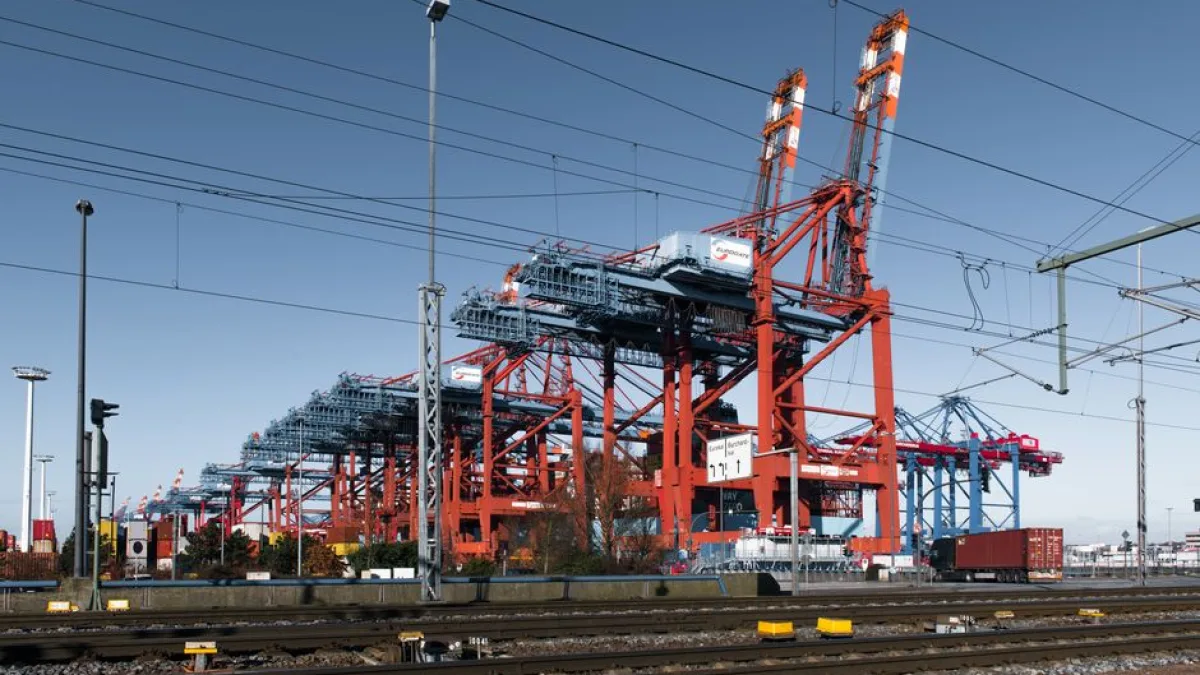
Visibility is the new currency in logistics, as shippers increasingly require granular updates on their goods. Modern freight forwarding software provides deep tracking capabilities that turn raw data into actionable insights for your clients, fostering trust and operational clarity.
- Live Shipment Tracking: Provide clients with real-time updates on their cargo locations through interactive maps that pull data directly from carrier APIs and satellite tracking systems worldwide.
- Predictive Delay Alerts: Utilize machine learning algorithms to identify potential bottlenecks before they occur, allowing your team to proactively suggest alternate routes for time-sensitive customer cargo.
- Status Update Automation: Trigger customized email or SMS notifications for clients whenever shipment statuses change, which keeps them informed without requiring constant manual outreach from your staff.
- Integration With Carriers: Connect your platform directly to global shipping lines and airline systems to ensure that your tracking data remains synchronized and accurate throughout transit.
Delivering exceptional visibility reduces the volume of status inquiries handled by your customer service team. When shippers trust that your platform provides the latest information, they gain the peace of mind needed to manage their own internal operations effectively. This transparency builds long-term loyalty and establishes your brand as a professional leader in the industry, even when global disruptions occur during transit.
Optimizing Financial Management Processes

Financial health is essential for any forwarder, yet many firms struggle with fragmented billing processes. By integrating financial tools into your logistics platform, you can accelerate cash flow, improve invoice accuracy, and maintain a clear view of your company profit margins.
- Automated Invoice Generation: Create professional and accurate invoices instantly by pulling shipment details directly from your booking system, which minimizes billing errors and helps you get paid.
- Multi-Currency Support Modules: Manage complex international payments with ease by utilizing built-in currency conversion tools that account for current exchange rates across all your global operations.
- Profitability Analytics Reporting: Generate detailed reports on every shipment to identify your most profitable routes and customers while highlighting areas where your operational costs are increasing.
- Direct Payment Integration: Link your billing system to secure payment gateways to allow your international clients to settle their accounts online, significantly reducing the standard accounting cycle.
Consolidating your financial data within one system eliminates the need for manual reconciliation between disconnected software. This level of oversight gives management the confidence to make data-driven decisions that impact the bottom line positively. As you streamline the billing process, your firm can maintain a healthy cash flow, enabling you to reinvest those resources into further technological upgrades for the business.
Strengthening Strategic Client Relationships

Technology should facilitate stronger human connections rather than replace them. By automating the routine aspects of logistics, your staff is free to focus on solving complex problems and providing the strategic guidance your clients rely on for success.
- Customer Portal Access: Grant your clients secure access to a branded portal where they can manage their own bookings, download documentation, and view status updates independently 24/7.
- Personalized Service Insights: Use customer data to identify shipping patterns, allowing you to provide proactive advice on how they can optimize their supply chain costs annually.
- Secure Communication Channels: Utilize encrypted messaging tools within the platform to discuss sensitive shipment details, ensuring that all correspondence remains compliant with strict global data privacy regulations.
- Feedback Loop Integration: Incorporate customer survey tools directly into the shipment lifecycle to gather actionable feedback that helps your team refine services and improve overall satisfaction.
Focusing on the client experience ensures that your freight forwarding business remains resilient in a crowded marketplace. When you provide high-quality digital tools alongside expert human guidance, you differentiate yourself from competitors. Remember that technology is the engine of your success, but the relationships you cultivate through these improved service levels are what will ultimately secure your firm's future growth.
Conclusion

Digital transformation is no longer an optional path for freight forwarders seeking to compete in a global market. By integrating cloud technology, enhancing visibility, and streamlining financial and client interactions, you build a foundation for long-term scalability. Start your journey toward operational excellence today by evaluating your current software needs and choosing tools that empower your team to deliver superior value to your clients.