Navigating the New Era of Digital Freight Forwarding Efficiency
Saturday, August 8 2026

The global logistics landscape is undergoing a profound transformation driven by rapid technological integration and shifting trade dynamics. As freight forwarders face increasing pressure to optimize supply chain visibility and reduce operational overheads, the adoption of cloud-based platforms has become a critical necessity rather than an optional upgrade. Companies that leverage real-time data analytics and automated workflows are better positioned to navigate market volatility and meet the evolving demands of global shippers. Staying ahead in this competitive environment requires a forward-thinking approach to software adoption and a commitment to refining internal processes through smart, scalable digital infrastructure tools.
Optimizing Automated Operational Workflows
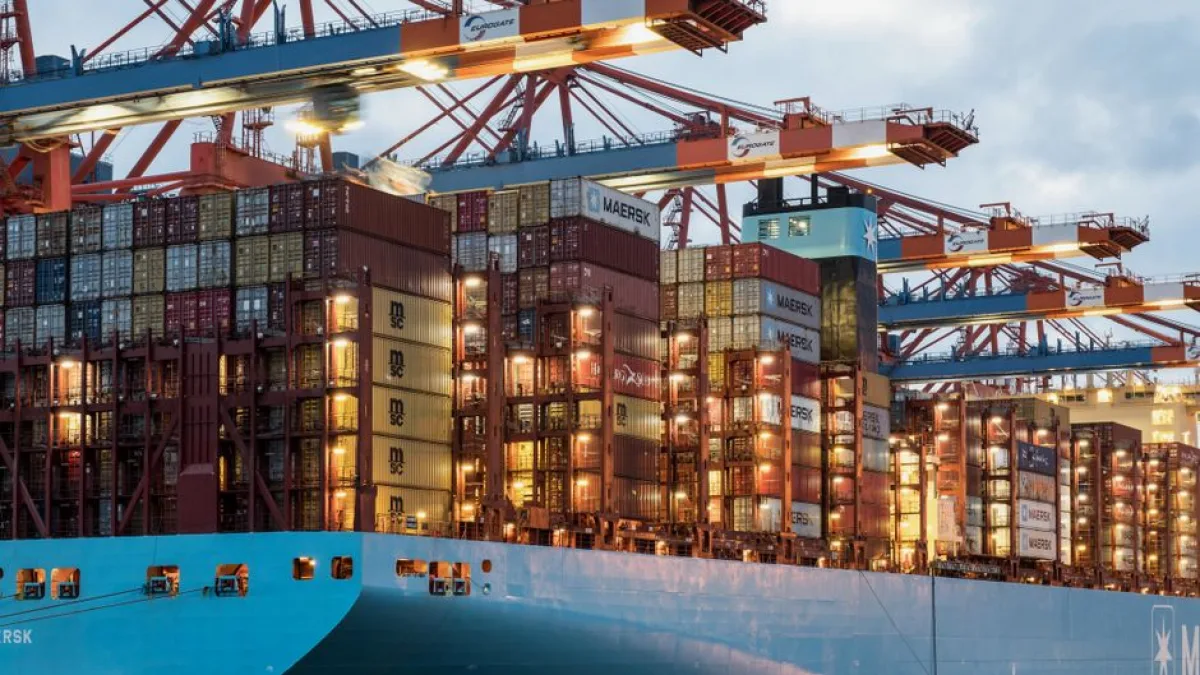
Automated systems allow forwarders to manage complex documentation tasks with superior speed and accuracy. By digitizing workflows, teams reduce manual entry errors and ensure that every shipment move is tracked in real time, ultimately enhancing overall service reliability and client satisfaction.
- Reduced manual paperwork: Automating data entry processes eliminates common human errors that typically cause significant shipping delays and costly administrative disputes across your diverse global freight operations and internal teams.
- Streamlined document generation: Cloud software enables the instant creation of bills of lading and commercial invoices, ensuring that your documentation remains accurate and compliant with international shipping regulations.
- Real-time status updates: Automated notifications keep your stakeholders informed at every stage, providing granular visibility that reduces the volume of repetitive status inquiries directed at your team.
- Workflow synchronization tools: Integrated task managers ensure that all departments remain aligned, preventing internal bottlenecks that often hinder the progress of urgent international cargo transit and logistics.
Implementing these automated solutions transforms how your organization handles daily logistics. By removing the friction associated with legacy paper-based systems, you empower your staff to focus on high-value client relationships and strategic growth initiatives. This shift towards efficiency not only improves your current service delivery but also builds a scalable foundation that supports expansion and long-term profitability in a demanding global shipping market environment.
Enhancing Global Supply Chain Visibility

Visibility is the backbone of modern freight forwarding services. Providing clients with live tracking capabilities fosters deep trust and allows for proactive problem solving when transit disruptions occur, ensuring that expectations are consistently met despite external supply chain variables.
- Live tracking dashboards: Providing clients with access to interactive maps ensures they can monitor cargo progress, which significantly increases transparency and strengthens your professional relationship with them.
- Proactive disruption alerts: Advanced tracking systems detect potential delays before they escalate, allowing your team to inform clients and arrange alternative routing solutions well in advance.
- Historical data analytics: Accessing previous shipment performance metrics allows for better future planning and more accurate cost estimations for your long-term contract logistics client proposals.
- Enhanced carrier communication: Centralizing communication channels ensures that all parties have access to identical information, reducing confusion and preventing the loss of critical transit data.
Achieving total supply chain transparency is a powerful differentiator in the modern forwarding industry. When your clients possess the power to monitor their inventory in real time, they gain peace of mind and operational agility. You transition from being a simple service provider to becoming a vital strategic partner, effectively securing recurring business and elevating your brand reputation through superior data-driven logistics management.
Integrating Advanced Cloud-Based Software

Cloud infrastructure provides the flexibility required to adapt to changing market conditions rapidly. By moving away from local servers, freight forwarders gain access to robust security features and scalable computing power that grow alongside their specific business needs and requirements.
- Scalable cloud storage: Cloud-based platforms offer flexible storage solutions that expand alongside your business volume, ensuring your digital infrastructure never limits your growth or operational capacity.
- Enhanced data security: Professional cloud providers implement rigorous encryption and regular security updates, which protect your sensitive business and client information against growing global cyber threats.
- Remote accessibility features: Team members can securely access vital shipment data from anywhere in the world, facilitating seamless collaboration across multiple time zones and global offices.
- Easy software integrations: Modern platforms connect effortlessly with existing tools like accounting software or customs systems, creating a unified digital ecosystem that maximizes your total productivity.
Embracing a cloud-native strategy is essential for companies aiming to thrive in the modern age. This infrastructure supports remote work capabilities and provides the necessary speed to react to sudden industry shifts. By investing in scalable technology, you eliminate the technical constraints that prevent your team from scaling, ensuring that your logistics operations remain agile and resilient against future market disruptions.
Building Stronger Shipper Relationships

The core of freight forwarding remains rooted in professional relationships. Digital tools simplify communication and provide the transparency that shippers value most, creating a collaborative environment where both parties can succeed through shared goals and improved performance metrics.
- Personalized client portals: Dedicated login areas for your clients provide a professional interface that simplifies document access and improves the overall quality of your digital communication.
- Transparent pricing models: Providing clear and concise digital quotes prevents confusion and builds trust, ensuring that your clients understand the exact costs associated with their shipments.
- Dedicated support channels: Integrated chat or ticketing systems ensure that client requests receive prompt attention, enhancing your firm's reputation for responsiveness in a fast-paced market.
- Strategic growth partnerships: Using data-driven insights allows you to offer personalized advice to your clients, helping them optimize their own supply chains for long-term success.
Building long-term client loyalty requires more than just moving freight; it demands a focus on service excellence and transparency. By leveraging modern software to provide a seamless customer experience, you distinguish your firm from competitors. The result is a cycle of recurring revenue and word-of-mouth referrals that sustains your business during quieter periods and fuels your growth during peak shipping seasons.
Conclusion
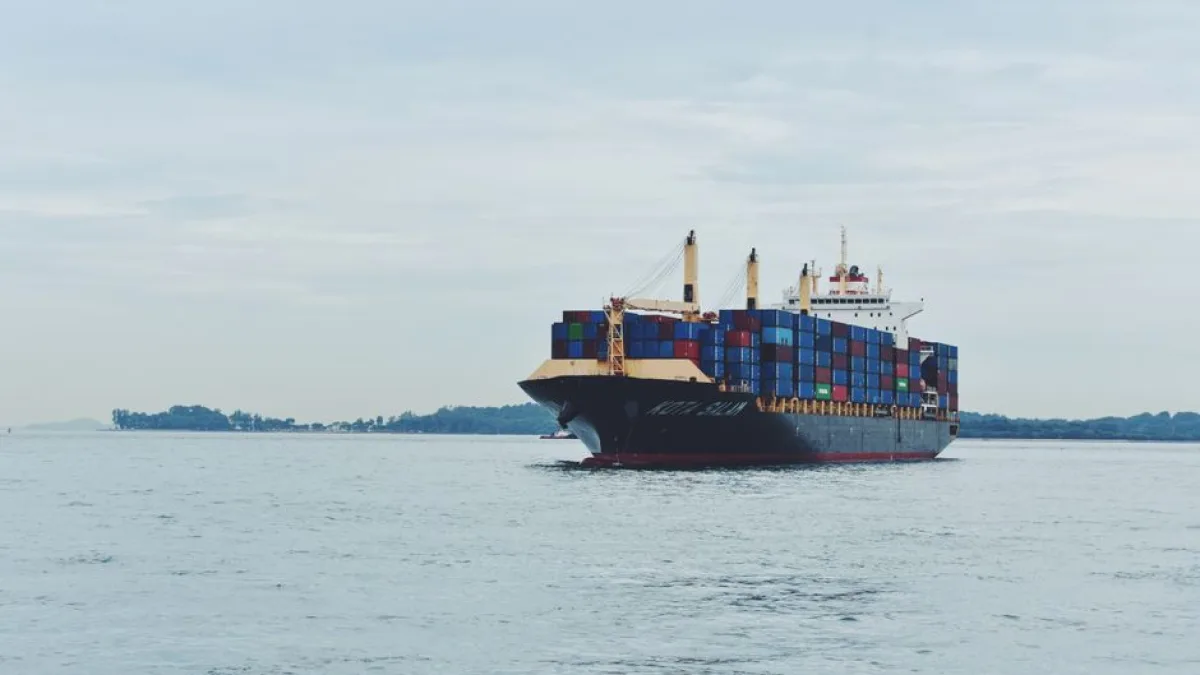
The evolution of freight forwarding is inextricably linked to the adoption of advanced technology. By prioritizing automated workflows, improved visibility, and cloud-based systems, forwarders can secure a competitive edge in a crowded marketplace. Success depends on the ability to translate technical advantages into tangible value for your clients. Start modernizing your operations with MakeCargo today to ensure your firm remains a leader in global logistics.