Navigating the New Era of Digital Freight Forwarding Efficiency
Thursday, October 15 2026
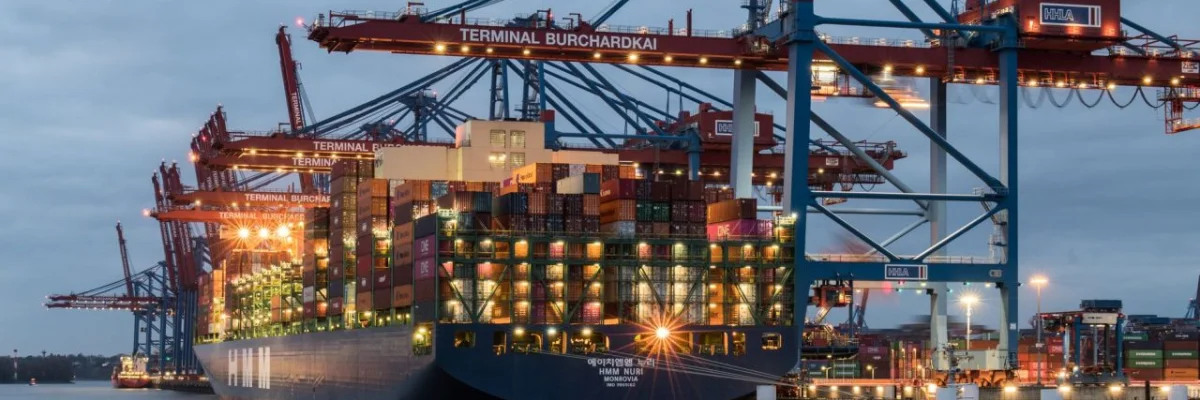
The global logistics landscape is shifting rapidly as freight forwarders face unprecedented pressure to increase operational speed and transparency. With supply chain volatility becoming the new normal, traditional manual processes are no longer sufficient to maintain competitive advantages. Industry leaders are increasingly turning to cloud based platforms to orchestrate complex shipments, manage documentation, and provide real time visibility to their clients. Embracing digital transformation is no longer a luxury but a fundamental requirement for companies aiming to scale, reduce overhead costs, and build resilient networks that can withstand the evolving demands of international trade today.
Optimizing Warehouse Operations

Modern warehouses are evolving into high tech hubs that leverage automation to ensure that cargo movement remains fluid. By integrating advanced software solutions, logistics professionals can track inventory levels with extreme precision while minimizing errors that lead to costly delays and operational bottlenecks.
- Automated inventory tracking: Implementing real time sensor technology allows your team to monitor stock levels automatically and eliminate manual counting errors that often plague traditional warehouse management systems for forwarders.
- Streamlined picking routes: Advanced algorithms calculate the most efficient paths for warehouse personnel to collect goods, significantly reducing travel time and boosting overall productivity during high volume peak seasons.
- Enhanced space utilization: Intelligent slotting software analyzes historical data to store high demand products in accessible locations, ensuring that your facility operates with maximum density and logical efficiency.
- Integration with systems: Seamlessly connecting warehouse data with your freight forwarding platform ensures that your inventory status is always synchronized with your shipping schedules and customer order portals.
These strategic upgrades do more than just improve speed because they directly impact your bottom line. By reducing the time spent on administrative tasks, your staff can focus on higher value activities like client relationship management and strategic planning. As your facility becomes more responsive to demand fluctuations, you establish a reputation for reliability that attracts larger partners and sustains long term profitability growth.
Data Driven Decision Making

Data acts as the backbone of modern freight forwarding success by allowing firms to anticipate market trends. Utilizing robust analytics dashboards helps management teams identify profitable routes and mitigate potential risks before they cause significant disruptions to your ongoing global supply chain projects.
- Predictive shipment forecasting: Advanced data modeling tools analyze historical transit times to predict potential delays, allowing your team to proactively suggest alternative routing options to your valued logistics clients.
- Cost analysis metrics: Identifying hidden expenses within your shipping lanes helps you negotiate better contracts with carriers and optimize your pricing strategy to maintain healthy profit margins daily.
- Carrier performance tracking: Monitoring key performance indicators across your carrier network ensures that you only partner with the most reliable providers who meet your strict service level requirements.
- Dynamic pricing models: Real time data feeds enable you to adjust your service rates based on market demand, ensuring that your business remains competitive during seasonal shipping fluctuations.
Relying on accurate data allows your organization to move away from reactive decision making patterns. Instead of guessing market conditions, your managers can access objective insights that drive efficiency throughout the entire shipping process. When you equip your team with the right analytical tools, you empower them to make smarter choices that minimize waste and enhance the overall service quality for everyone involved.
Strengthening Carrier Relationships

Maintaining strong partnerships with global shipping lines is essential for securing space during times of limited capacity. Transparent communication platforms foster trust and simplify the negotiation process, ensuring that your freight receives priority treatment even when the global market experiences significant congestion.
- Integrated communication portals: Utilizing centralized hubs for messaging reduces the reliance on fragmented email chains, ensuring that all parties have access to the latest updates and critical documents.
- Collaborative negotiation tools: Digital platforms allow for transparent document sharing during contract renewals, making it easier to reach mutually beneficial terms that satisfy both your company and carriers.
- Real time status updates: Sharing automated status reports with your carrier partners minimizes manual inquiries and helps everyone stay aligned on arrival times and potential port side challenges.
- Unified compliance management: Digital document storage ensures that all regulatory filings are easily accessible to both parties, reducing the risk of administrative errors or missing paperwork during audits.
When you prioritize digital transparency, you simplify the workflow for your carrier partners. A streamlined interaction process makes your company an easier partner to work with, which can lead to preferential treatment during peak periods. By investing in tools that bridge the gap between forwarders and carriers, you foster long term loyalty that stabilizes your supply chain and secures valuable space allocations.
Scaling Through Cloud Technology

Cloud based freight forwarding software provides the necessary flexibility to scale your operations without requiring massive infrastructure investments. As your business expands into new markets, these platforms grow with you, offering modular tools that adapt to diverse regulatory requirements and unique shipping complexities.
- Seamless system integration: Modern cloud APIs allow you to connect your freight software with accounting, customs, and customer relationship platforms to create a truly unified business environment globally.
- Remote accessibility benefits: Cloud systems enable your team to manage complex logistics operations from any location, ensuring that work continues uninterrupted regardless of where your staff resides today.
- Enhanced cybersecurity measures: Leading cloud platforms provide enterprise grade encryption and regular security updates, keeping your sensitive shipment and customer data protected against increasingly sophisticated digital threats worldwide.
- Automated software updates: Moving to the cloud eliminates the need for manual server maintenance, as new features and patches are deployed automatically to ensure you have the latest.
Transitioning to the cloud creates a foundation for innovation that legacy systems cannot match. You gain the agility to pivot quickly when market conditions change or when new technology disrupts the industry standards. By offloading the technical burdens of system maintenance, your IT team can focus on strategic improvements that support your broader business goals while keeping your operations fast and secure.
Conclusion

Adopting digital tools represents a critical step for freight forwarders aiming to thrive in an increasingly competitive environment. By optimizing warehouse processes, leveraging data, strengthening carrier partnerships, and utilizing cloud technology, you build a foundation for sustainable growth. Start integrating these advanced solutions today to improve your operational efficiency and provide superior service. Contact MakeCargo to learn how our platform supports your evolution.