Navigating the New Era of Digital Freight Forwarding Efficiency
Saturday, October 24 2026
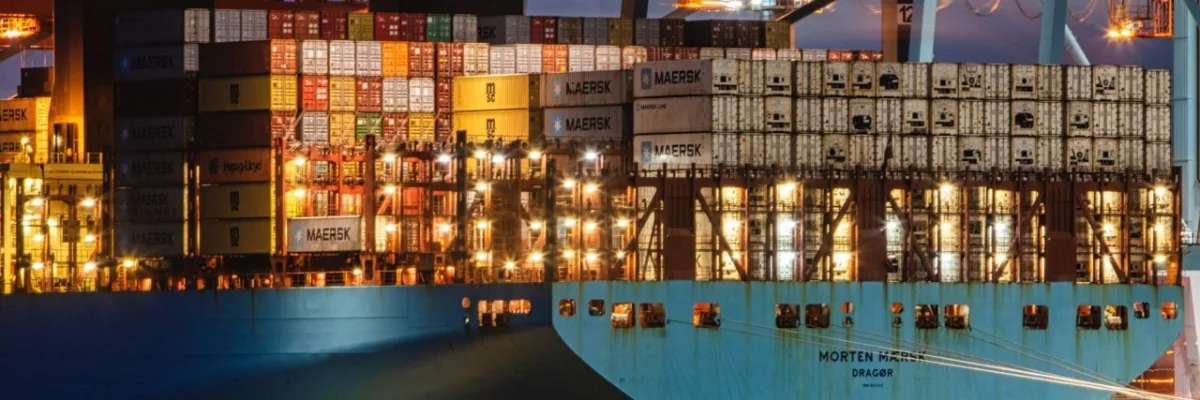
The global logistics landscape is undergoing a profound transformation driven by rapid technological integration and shifting trade dynamics. As freight forwarders face increasing pressure to deliver transparency and speed, the reliance on legacy manual processes is becoming a significant liability. Modern cloud-based platforms now serve as the backbone for companies aiming to scale operations while maintaining precision in a volatile market. By leveraging real-time data and automated workflows, forwarders can reclaim lost hours and provide superior customer experiences. This shift is not just about keeping pace with competitors but about redefining the fundamental standards of efficiency within the global supply chain sector.
Optimizing Global Supply Chains
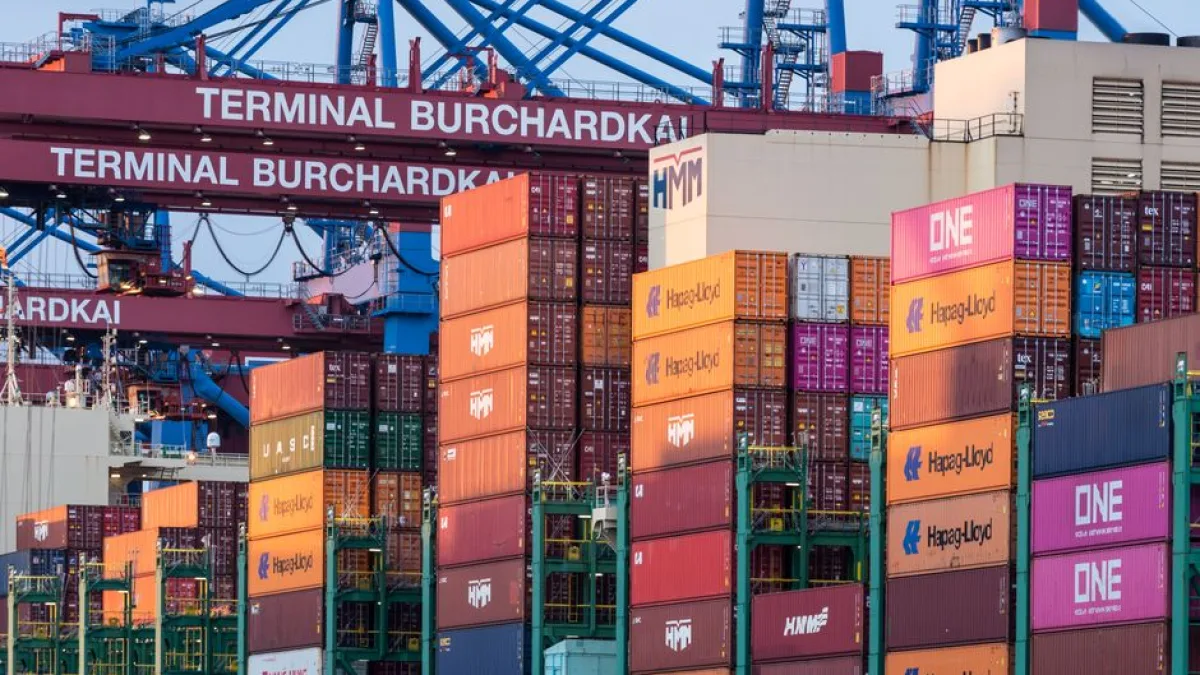
Port operations represent a critical node where efficiency must be maximized to prevent bottlenecks. Utilizing digital tools helps teams anticipate delays and manage throughput effectively, ensuring that cargo moves through terminals with minimal friction and maximum visibility for all stakeholders.
- Automated Tracking Systems: Real-time visibility tools provide live status updates for every shipment, reducing the need for manual status checks and allowing teams to focus on exception management tasks.
- Streamlined Documentation Flow: Digital platforms centralize all import and export paperwork, which drastically decreases processing time and minimizes the risk of human error in customs compliance and filing.
- Predictive Risk Management: Advanced data analytics tools identify potential bottlenecks in the supply chain before they occur, enabling proactive communication with clients and better contingency planning for shipments.
- Integrated Carrier Portals: Direct connections with ocean and air carriers allow for seamless booking and rate management, ensuring that freight forwarders always have access to current capacity.
- Improved Data Accuracy: Centralized databases ensure that all partners access the same information, which reduces discrepancies and enhances the reliability of logistics reporting across the entire network.
Adopting these technological solutions creates a smoother flow for complex international movements. By removing the dependency on fragmented legacy systems, freight forwarders gain the agility required to navigate sudden port congestion or carrier schedule changes. This operational upgrade not only improves individual shipment outcomes but also strengthens the overall relationship between forwarders and their demanding client base in a competitive global market.
The Power of Cloud Collaboration

Remote collaboration has become essential for modern logistics companies managing international teams. Cloud platforms enable seamless communication and data access from any location, ensuring that staff members stay aligned regardless of time zones or geographic barriers during urgent shipping projects.
- Cloud File Access: Secure cloud storage provides instant access to all shipment documents for authorized team members, which enhances collaboration and speeds up response times for clients.
- Real-time Team Updates: Collaborative project tools notify staff instantly about changes in shipment status, ensuring that everyone stays informed and reducing the risk of internal miscommunication errors.
- Enhanced Security Standards: Robust encryption protocols protect sensitive customer data and commercial contracts, which builds trust and ensures compliance with global privacy regulations in the digital era.
- Scalable Software Infrastructure: Cloud solutions allow forwarders to scale their operations quickly during peak seasons without needing heavy investments in local hardware or complex physical server maintenance.
- Cross-Department Integration: Linking sales, operations, and accounting modules through one platform creates a unified workflow that streamlines communication and improves the speed of billing and reporting.
Shifting to the cloud represents a major milestone for firms aiming for long-term growth and stability. By breaking down internal silos, teams can share critical information instantly and provide a cohesive service experience for shippers. This interconnected environment allows managers to track performance metrics effortlessly while ensuring that every team member remains focused on delivering quality results for each handled freight consignment.
Harnessing Data for Smarter Pricing

Data driven insights are reshaping how freight forwarders approach complex pricing strategies for their clients. By analyzing historical trade patterns and current market rates, businesses can offer competitive quotes while maintaining healthy margins, turning raw numbers into strategic advantages during high volatility.
- Dynamic Rate Analysis: Advanced algorithms compare carrier rates against historical trends to provide accurate pricing, helping forwarders secure the best options while optimizing their profit margins per shipment.
- Market Trend Forecasting: Analytics tools identify shifts in seasonal demand, which allows companies to adjust their pricing strategies ahead of time to stay ahead of regional price fluctuations.
- Customer Profitability Reports: Segmented data analysis reveals which client accounts are most profitable, helping sales teams prioritize efforts on high-value customers who need consistent and reliable freight services.
- Automated Quote Generation: Intelligent software generates customized quotes in seconds by pulling real-time carrier data, which allows forwarders to respond faster than competitors who rely on manual calculations.
- Performance Metric Tracking: Detailed dashboards monitor key performance indicators such as transit times and cost-per-ton, providing actionable insights for continuous improvement of overall supply chain service standards.
Sophisticated data usage transforms the way forwarders engage with the volatile freight market. By making informed decisions based on clear visual data rather than guesswork, firms can confidently navigate price wars and capacity shortages. This analytical rigor establishes the foundation for sustainable growth, enabling forwarders to optimize their service offerings while remaining highly attractive to shippers who prioritize financial transparency and operational efficiency.
Adapting to Regulatory Changes

Staying compliant with evolving international trade regulations is a primary concern for every professional forwarder today. Digital systems automate the process of adhering to complex customs requirements, ensuring that every shipment meets legal standards and avoids costly delays at border crossings globally.
- Automatic Compliance Checks: Integrated systems flag potential issues with customs declarations or commodity codes before filing, which prevents shipments from being held up by regulatory authorities during transit.
- Document Digitization Tools: Scanning and categorization features ensure all necessary certificates and licenses are readily available, simplifying audits and proving compliance to government agencies with minimal manual effort.
- Regulatory Update Alerts: Automated notifications inform staff about new trade tariffs or policy shifts, ensuring that company procedures remain updated and aligned with current international law mandates.
- Standardized Filing Processes: Consistent templates for customs documents reduce the likelihood of administrative errors, leading to faster customs clearance and more predictable delivery timelines for all customers.
- Audit Trail History: Keeping comprehensive digital logs of all communications and filings provides a clear history for compliance reviews, which mitigates legal risks for the forwarding company.
Proactive management of regulatory requirements serves as a vital safeguard for modern logistics businesses. By implementing automated compliance features, forwarders significantly lower the risk of administrative hold-ups and financial penalties. This focus on precision demonstrates a commitment to professional excellence, ensuring that shipments move safely and legally across borders while reinforcing trust with clients who demand a compliant and stress-free service experience.
Conclusion

Embracing digital transformation is the most important step forwarders can take to remain relevant in today's landscape. By adopting cloud-based platforms that prioritize automation and data visibility, businesses can streamline their operations and provide exceptional value to their customers. Start your journey toward higher efficiency and improved operational control by modernizing your freight forwarding software stack and preparing for future industry growth today.