Navigating the New Era of Digital Freight Forwarding
Sunday, August 30 2026
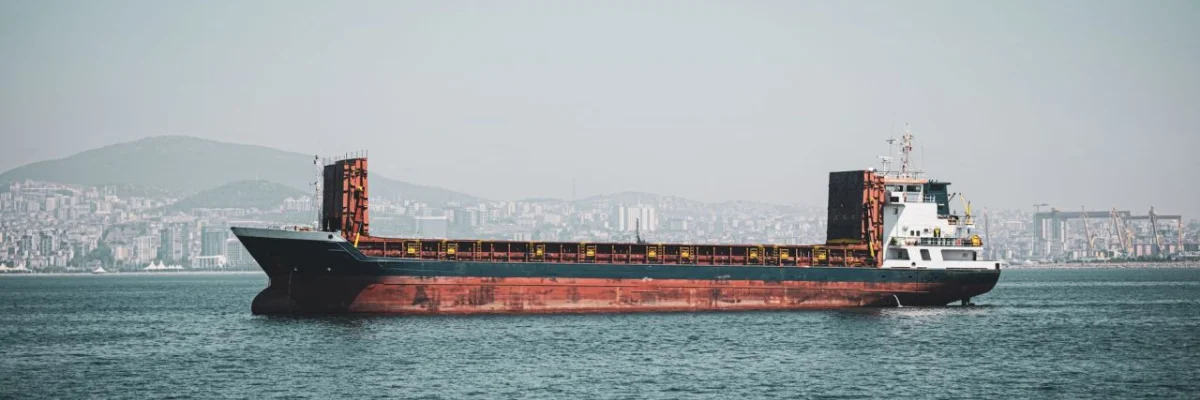
The global logistics landscape is undergoing a profound transformation driven by rapid technological integration and shifting consumer expectations. Freight forwarders are no longer just middlemen for shipping capacity but are becoming essential data partners in complex supply chains. As manual processes give way to automated workflows and cloud-based visibility, professionals who embrace these innovations gain a significant competitive edge in a volatile market. Adapting to this new era requires a strategic focus on digital infrastructure, operational transparency, and the seamless exchange of information across borders, ensuring that every shipment is managed with precision, speed, and reliability in an interconnected global economy.
Modernizing Operational Workflows

Transitioning from legacy spreadsheets to automated software platforms is the first step toward operational excellence. By centralizing documentation and communication, teams can eliminate redundant tasks, reduce human error, and provide clients with accurate real-time data that keeps cargo moving smoothly through every critical checkpoint.
- Automated Documentation Processing: Intelligent software tools now extract data from shipping manifests automatically, significantly reducing the time spent on manual entry while improving overall accuracy for complex international customs declarations.
- Centralized Communication Hubs: Consolidating all client messages and carrier updates into one platform ensures that every stakeholder has access to the latest information without relying on fragmented email threads.
- Real-time Task Management: Digital boards allow managers to assign responsibilities instantly, ensuring that critical milestones are reached without oversight in a high-pressure, fast-paced freight forwarding environment.
- Cloud Data Security: Implementing robust encryption and cloud-based storage protocols protects sensitive customer information from unauthorized access while ensuring that team members can collaborate securely from any location.
Optimizing your internal processes is essential for scaling a logistics business in the modern climate. When manual data entry is replaced by intelligent automation, your staff can shift their focus toward high-value activities such as client retention and strategic network expansion. This transition reduces overhead costs while simultaneously improving the quality of service, creating a sustainable foundation for growth regardless of market fluctuations.
Enhancing Supply Chain Visibility
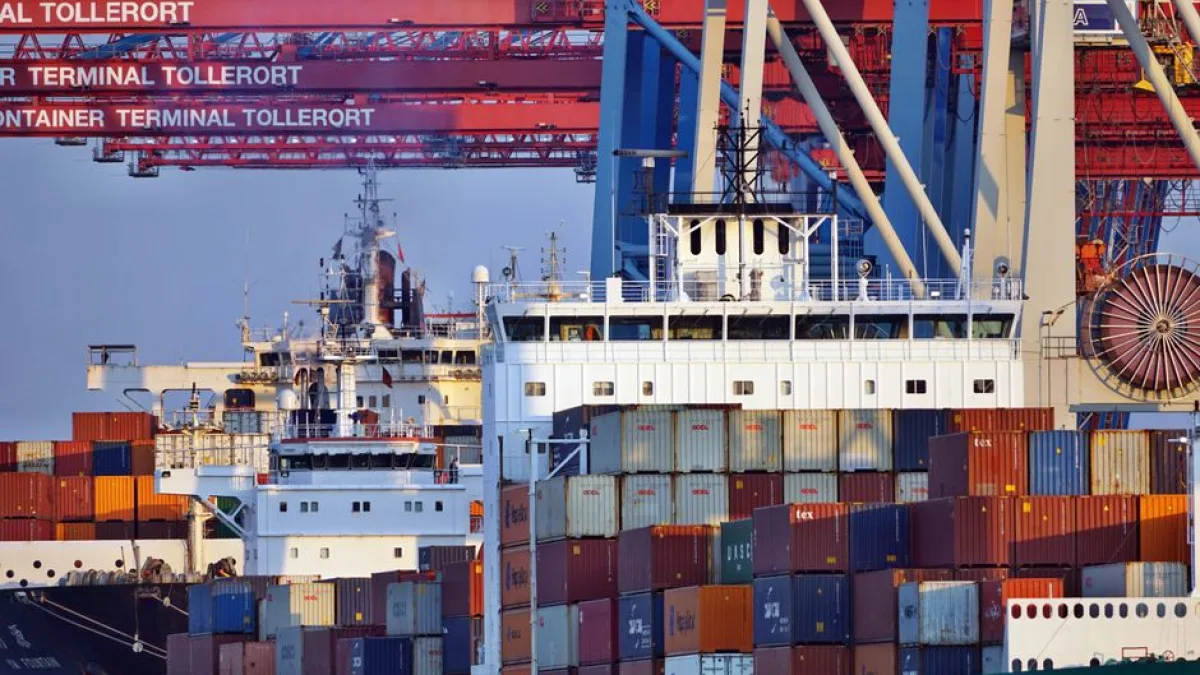
Clients demand complete transparency regarding their goods in transit. Modern platforms provide the necessary tools to track shipments from origin to final destination, allowing forwarders to proactively address delays and offer precise arrival estimates that build long-term trust and reliability.
- End-to-end Cargo Tracking: Integrating GPS and satellite data directly into your dashboard provides live updates on vessel locations, keeping customers informed during every leg of their shipment.
- Predictive Delay Alerts: Advanced algorithms analyze weather patterns and port congestion data to warn forwarders of potential disruptions, allowing for faster rerouting and effective contingency planning measures.
- Automated Milestone Notifications: Keep your clients satisfied by sending trigger-based updates whenever a shipment clears customs or enters a new terminal, eliminating the need for constant status inquiries.
- Customizable Reporting Dashboards: Provide stakeholders with personalized insights through tailored analytics that highlight performance metrics, shipping costs, and delivery trends specific to their unique supply chain requirements.
Transparency has become the ultimate currency in the freight industry. By offering clients a clear window into their supply chain operations, forwarders demonstrate professionalism and control even when unexpected events occur. Investing in visibility tools is not merely about tracking items; it is about providing peace of mind to customers who rely on your expertise to keep their global businesses running smoothly.
Strengthening Carrier Partnerships

Stronger relationships with carriers lead to better capacity access and more favorable rates. Utilizing digital platforms to streamline negotiations and information sharing fosters a more collaborative environment, turning traditional transactional interactions into productive, long-term partnerships that benefit both your agency and your carriers.
- Streamlined Booking Interfaces: Digital booking portals allow forwarders to compare schedules and rates instantly, simplifying the process of securing space on vessels or aircraft without back and forth.
- Performance Metric Monitoring: Track carrier punctuality and service quality through data-driven reports, enabling you to identify the most reliable partners for your specific logistics requirements and goals.
- Collaborative Dispute Resolution: A shared digital environment allows for the rapid resolution of billing errors or documentation discrepancies, minimizing friction and maintaining a positive working relationship over time.
- Unified Communication Channels: Standardizing how information is shared ensures that carrier representatives receive clear instructions, which reduces the chance of miscommunication or costly errors during the loading process.
Building a robust carrier network is a strategic advantage that allows for greater flexibility when market capacity tightens. By leveraging technology to communicate clearly and pay promptly, you position your forwarding company as a preferred partner for major shipping lines. This preferential treatment ensures that your clients get priority space even during peak seasons, giving you a distinct advantage over competitors who lack these connections.
Future-Proofing Your Logistics Business
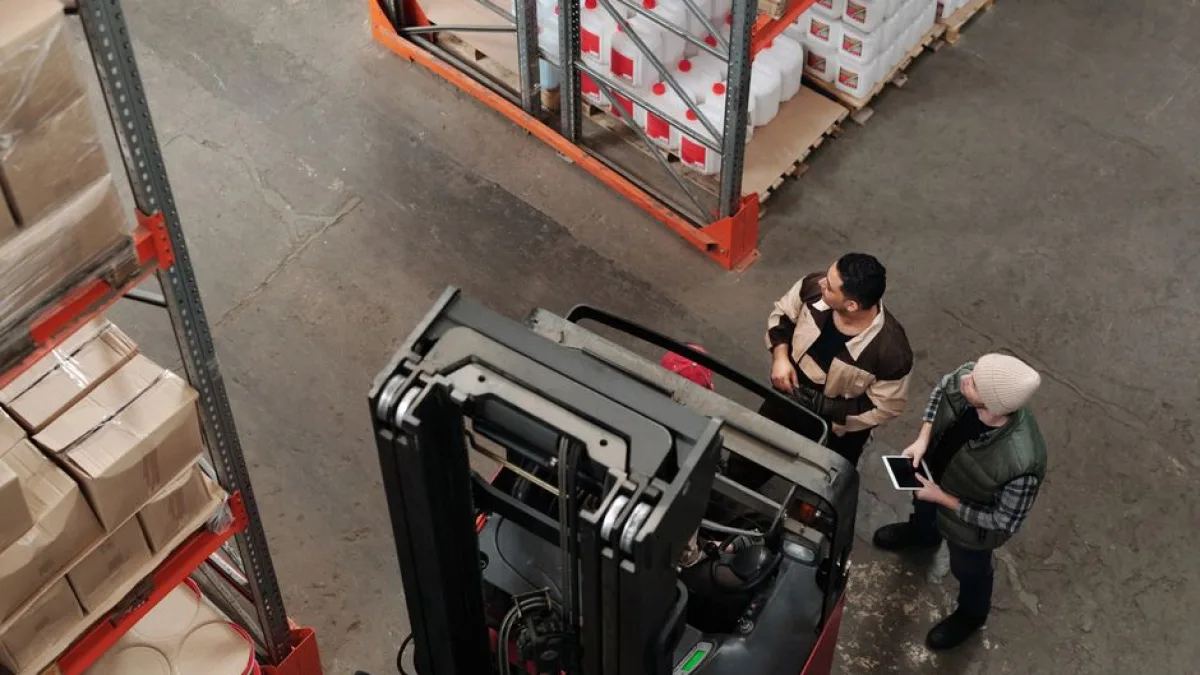
Preparing for the future involves anticipating industry trends and staying ahead of the regulatory curve. By adopting scalable technology and fostering a culture of continuous learning, freight forwarders can navigate the complexities of global trade and emerge as industry leaders ready for any challenge.
- Scalable Cloud Infrastructure: Opt for software that grows with your transaction volume, ensuring your team has the resources needed to manage increased demand without expensive system overhauls.
- Continuous Skills Training: Invest in regular workshops for your staff to master new digital tools, ensuring that your team remains the most knowledgeable in the logistics sector.
- Regulatory Compliance Automation: Use built-in compliance engines to stay updated on international trade laws, reducing the risk of fines and ensuring that all documentation meets strict requirements.
- Data-Driven Decision Making: Use historical shipping data to forecast future volume trends and plan your resource allocation more effectively, keeping your operations lean and highly profitable today.
The key to long-term success is a willingness to adapt your business model as the technology landscape changes. By prioritizing digital agility and staying informed about global trade regulations, you protect your company against sudden market shifts. The future of freight forwarding belongs to those who view technology as an essential partner, transforming complex logistics into simple, efficient, and highly transparent digital experiences.
Conclusion

Embracing digital innovation is the primary way to secure a successful future in the freight forwarding sector. By automating workflows, enhancing visibility, and fostering strong partnerships, you create a resilient business that thrives on efficiency and trust. Focus on these core areas to elevate your service quality and provide superior value to every client, ensuring your agency remains competitive in an evolving marketplace.