Navigating Digital Transformation in Modern Freight Forwarding
Wednesday, July 22 2026
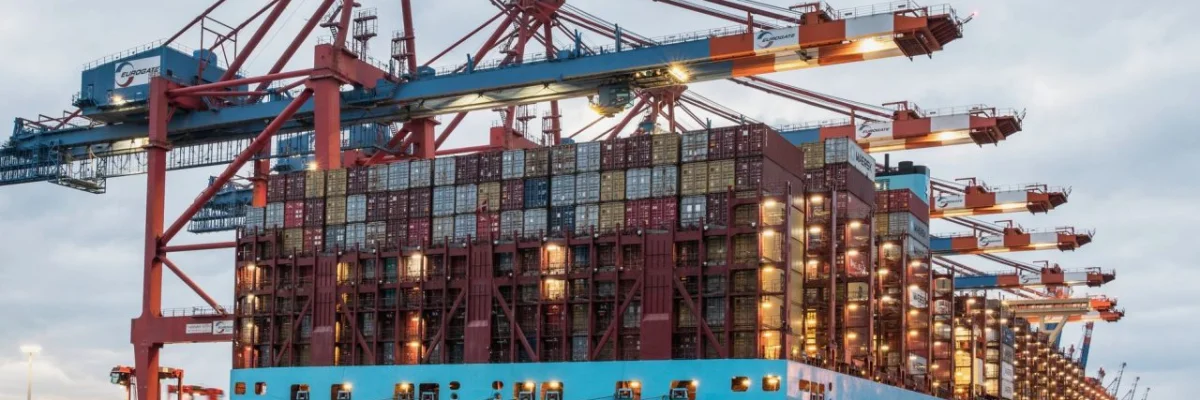
The global logistics landscape is undergoing a profound shift as digital transformation moves from a competitive advantage to an essential operational necessity. Freight forwarders are currently facing unprecedented pressure to enhance visibility, accuracy, and speed while navigating volatile market conditions. Adopting cloud-based platforms is no longer optional for firms aiming to maintain margins and improve client satisfaction in a data-driven era. This transition allows forwarders to move beyond manual processes that are prone to human error and instead embrace automated workflows. As we look ahead, the integration of smart technology will define the leaders of the global logistics industry.
The Rise of Automated Documentation

Automated documentation systems are revolutionizing the way forwarders manage complex shipments by removing manual data entry hurdles. These tools ensure that every bill of lading and customs form is generated with precision, reducing delays at busy port borders significantly.
- Eliminating Manual Errors: Automated systems cross-reference shipping data against client databases to ensure that information remains accurate throughout the entire booking lifecycle and reduces costly correction fees for forwarders.
- Faster Processing Speeds: Electronic document handling accelerates the flow of critical paperwork, allowing teams to finalize declarations in minutes rather than hours, which keeps cargo moving without unnecessary stagnation.
- Centralized Document Storage: Cloud platforms provide a secure, single source of truth where teams can access files from any location, ensuring that stakeholders remain updated with real-time documentation status.
- Compliance Tracking Tools: Modern software includes automated alerts for regulatory changes, ensuring that all international shipments remain compliant with evolving trade laws while mitigating risks of heavy government fines.
By shifting away from legacy paper-based workflows, freight forwarding firms can unlock significant hidden value within their administrative departments. The reduction in repetitive manual tasks allows staff to focus on higher value activities like client relationship management and strategic logistics planning. This digital shift not only improves internal efficiency but also builds a foundation for long-term scalability as global trade volumes continue growing.
Enhancing Real-Time Cargo Visibility
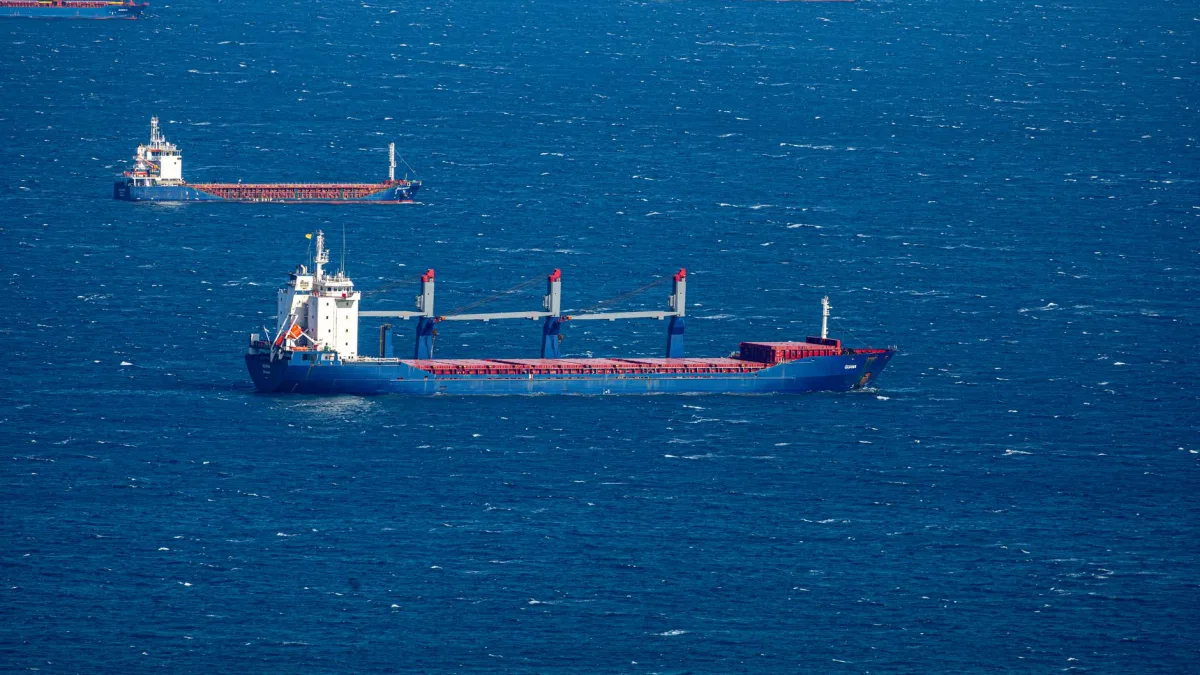
Visibility remains the primary demand for modern cargo owners who expect instant updates regarding their shipment location. Providing granular tracking data helps forwarders build trust while proactive communication minimizes the impact of potential transit delays during complex international voyages.
- Live Tracking Updates: Advanced GPS integration allows both the forwarder and the end customer to monitor cargo status from origin to destination through a user-friendly and highly accessible dashboard.
- Predictive Arrival Forecasting: Machine learning algorithms analyze historical port congestion and vessel movement to provide highly accurate arrival estimates that help customers manage their inventory and warehouse planning effectively.
- Exception Management Alerts: Automated systems notify operators immediately when a delay occurs, allowing the team to implement contingency plans before the customer even notices an issue with their freight.
- Enhanced Client Portals: Dedicated customer portals provide 24/7 access to tracking information, which significantly reduces the volume of status-check emails handled by busy logistics coordination and support teams.
Transparency is now the primary currency in the logistics sector. When freight forwarders provide clients with constant, accurate visibility, they transform a standard commodity service into a premium strategic partnership. This level of clarity helps customers make informed business decisions regarding their supply chains, ultimately securing their loyalty and creating a distinct competitive edge that is difficult for rivals to replicate.
Optimizing Global Supply Chain Flows
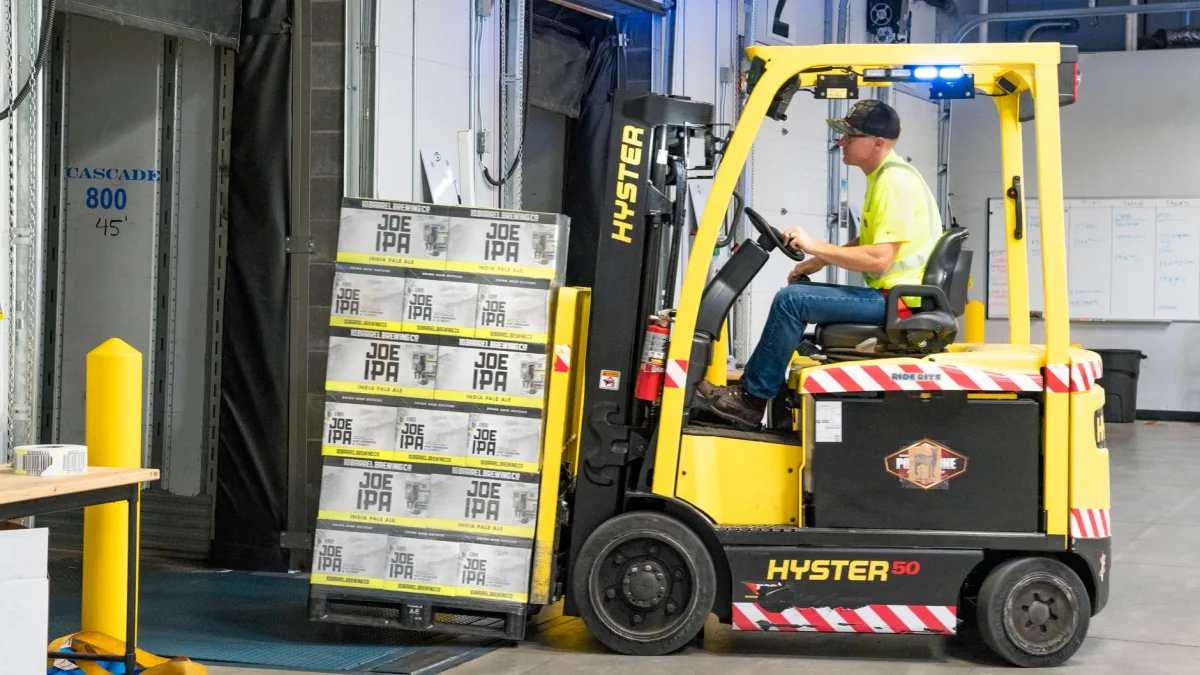
Optimizing supply chain flows requires a combination of robust software architecture and deep industry expertise. By streamlining the movement of goods, forwarders can reduce dead time and lower the total cost of ownership for their clients across various complex global trade lanes.
- Route Optimization Tools: Integrated software analyzes multiple carrier routes to identify the most efficient paths based on current fuel costs, transit times, and historical reliability data for major carriers.
- Capacity Utilization Tracking: Intelligent tools monitor available container space to help forwarders consolidate shipments more effectively, ensuring that every vessel or aircraft is utilized at maximum capacity for profit.
- Carrier Performance Analytics: Data-driven reporting allows management to review carrier performance over time, identifying which partners provide the best value and which partners consistently fail to meet service level agreements.
- Unified Inventory Management: Connecting warehouse data with freight movement ensures that downstream operations are always prepared for arrivals, which reduces storage costs and improves the speed of final distribution.
The ability to orchestrate complex global movements with precision requires high-level coordination and sophisticated digital infrastructure. When forwarders master these workflows, they reduce waste and improve the overall profitability of every transaction. This operational excellence serves as the backbone of a successful firm, ensuring that resources are allocated efficiently and that service levels remain consistently high regardless of market pressures or external disruptions.
Scaling Through Cloud Infrastructure

Cloud infrastructure provides the necessary flexibility for freight forwarders to scale their operations as demand fluctuates throughout the year. Moving to the cloud eliminates the need for expensive on-site server hardware while providing superior security and disaster recovery for sensitive shipping data.
- Reduced IT Costs: Cloud-based platforms eliminate the heavy capital expenditure associated with purchasing and maintaining local servers, allowing forwarders to pay for software services on a scalable monthly subscription basis.
- Seamless Team Collaboration: Remote access capabilities allow teams across different time zones to work on the same shipments simultaneously, fostering a culture of global coordination and improved staff productivity.
- Robust Data Security: Enterprise-grade encryption and automated cloud backups protect critical business information from cyber threats, ensuring that client data remains safe and accessible even during unforeseen localized system failures.
- Fast Deployment Cycles: New software updates and feature enhancements are pushed directly to the cloud platform, ensuring that forwarders always have access to the latest technology without manual installations.
Adopting a cloud-first strategy enables forwarders to remain agile in a volatile industry that demands rapid adaptation. By removing the technical debt of legacy systems, firms can redirect their energy toward innovation and client service. This modern approach to infrastructure is essential for companies aiming to thrive in the digital age, providing a reliable platform for sustained growth and continuous process improvement.
Conclusion
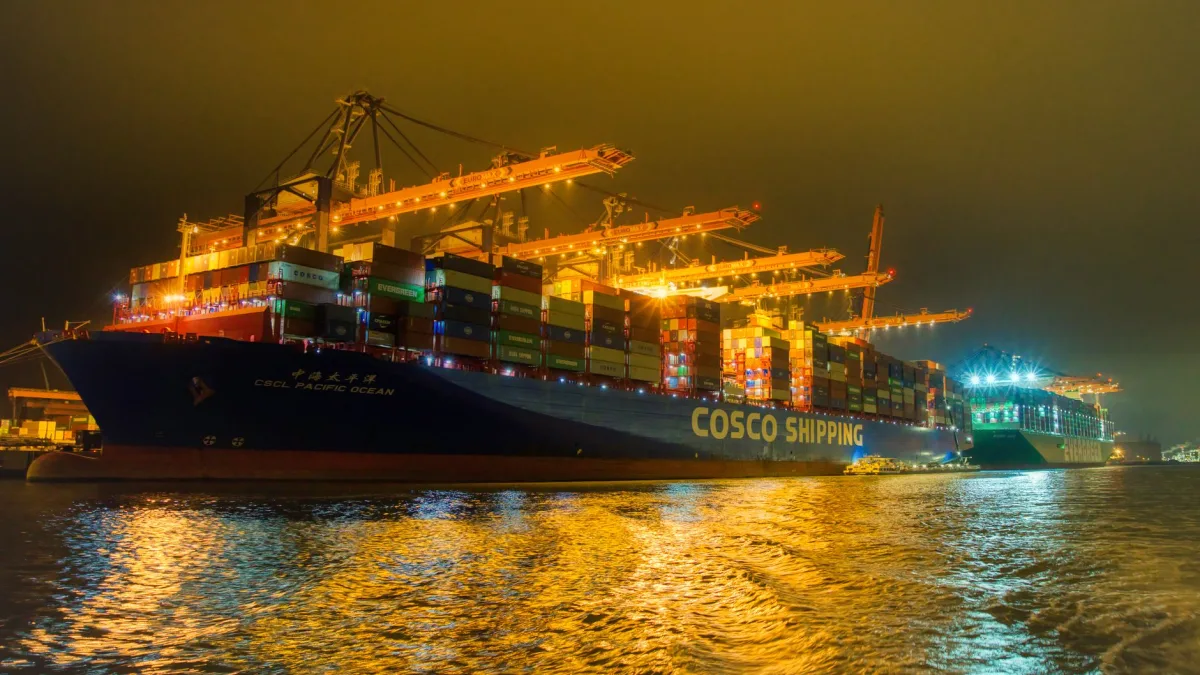
Digital transformation provides the essential framework for forwarders to succeed in today's fast-paced shipping market. By automating documentation, enhancing cargo visibility, optimizing supply chains, and embracing cloud infrastructure, businesses can achieve lasting operational efficiency. Now is the ideal time to evaluate your internal processes and adopt modern technology to ensure your freight forwarding business remains competitive, scalable, and fully prepared for the future.