Navigating Digital Transformation in Modern Freight Forwarding
Monday, July 27 2026
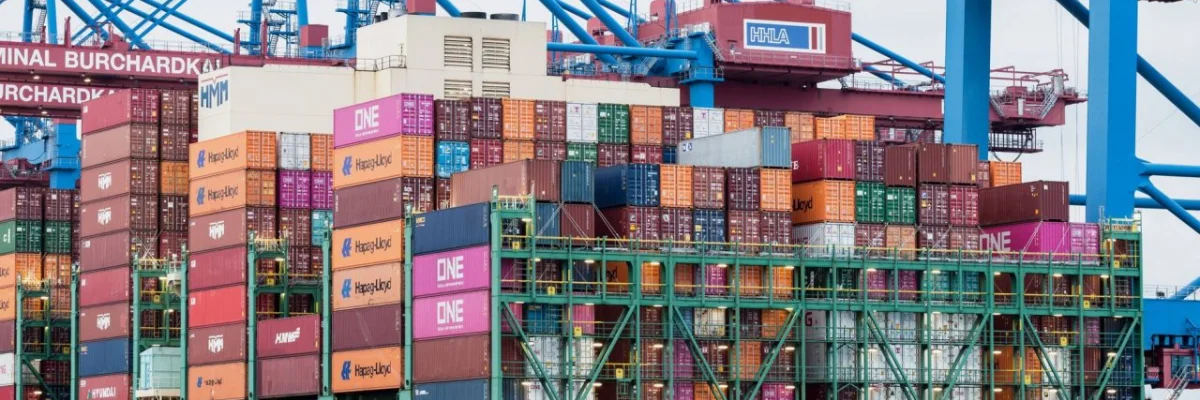
The global logistics landscape is undergoing a profound shift as digital transformation moves from a competitive advantage to a fundamental operational requirement. Freight forwarders are currently facing unprecedented pressure to enhance transparency, optimize route efficiency, and reduce manual administrative overhead. While traditional methods have served the industry for decades, the integration of cloud-based platforms is now essential for survival in a volatile market. By leveraging real-time data and automated workflows, forwarders can finally bridge the gap between complex supply chain demands and the need for seamless customer communication, ensuring long-term resilience and profitability in an increasingly tech-driven global shipping sector.
Embracing Cloud Integration
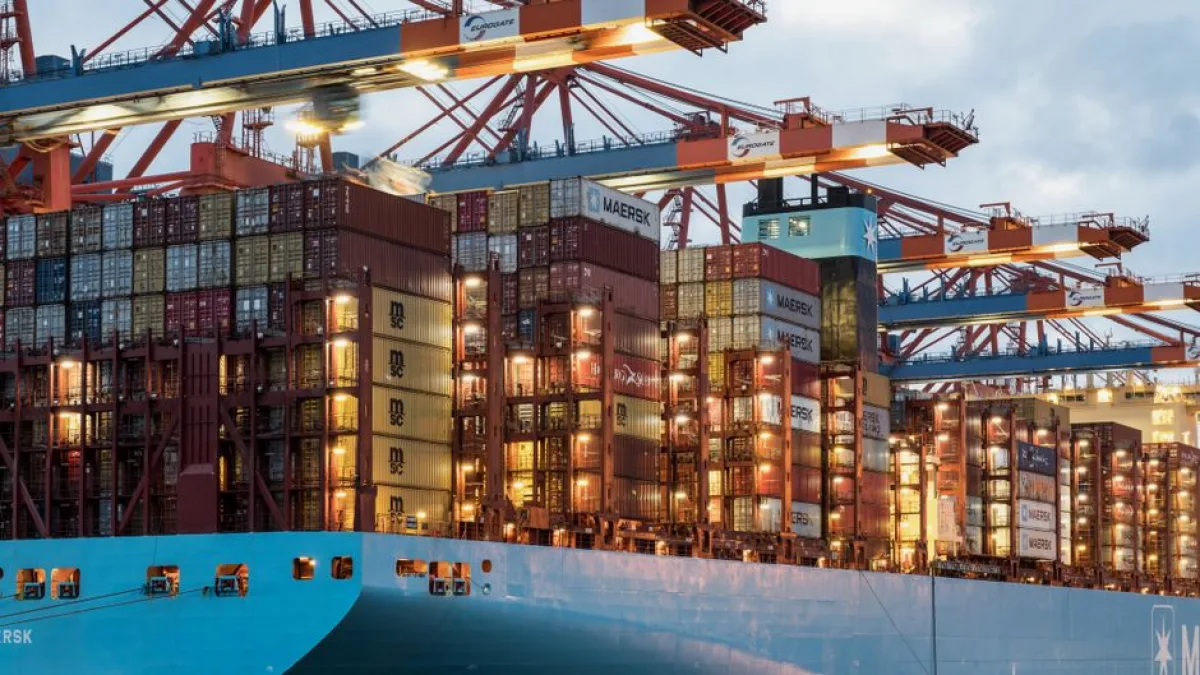
Transitioning to cloud systems represents the most significant shift in freight operations today. By moving away from fragmented legacy software, companies can centralize their data, enabling teams to access critical shipment information from any location without the risk of localized file corruption.
- Centralized Data Management: Cloud platforms provide a single source of truth for all stakeholders, eliminating data silos and significantly reducing the time spent searching for outdated or missing shipment documentation.
- Scalable Infrastructure Needs: Businesses can easily adjust their software capabilities as they grow, ensuring that technology investments remain aligned with current transaction volumes and specific operational requirements for future expansion.
- Enhanced Security Protocols: Advanced encryption and automated backups protect sensitive client information from cyber threats, providing peace of mind while maintaining compliance with international data protection and privacy standards.
- Remote Team Collaboration: Real-time updates allow distributed teams to work together effectively, ensuring that communication flows smoothly between warehouse staff, sales departments, and international logistics partners around the clock.
- Cost Effective Scaling: Subscription models remove the burden of heavy upfront hardware investments, allowing forwarders to manage cash flow more predictably while accessing the latest industry standard software features.
Adopting a cloud-first strategy provides the agility needed to respond to shifting market demands. By unifying fragmented internal processes, your firm can eliminate manual bottlenecks that previously slowed down operations. This shift empowers your staff to focus on high-value client relationships rather than repetitive administrative tasks. As the industry evolves, those who utilize robust digital infrastructure will maintain a clear edge over their competitors.
Automating Manual Documentation

Paper-heavy processes are the primary cause of delays in the modern shipping industry. Automating document handling reduces human error, speeds up customs clearance, and ensures that every piece of compliance paperwork is filed accurately and stored in a secure digital format.
- Automated Data Entry: Intelligent systems capture and categorize information from invoices and packing lists automatically, which eliminates time consuming manual typing and prevents costly errors during the documentation process.
- Compliance Error Reduction: Built-in validation checks flag missing fields or incorrect codes before submission, ensuring that all regulatory filings meet the strict requirements of customs authorities in different countries.
- Digital Audit Trails: Every change made to a document is logged and timestamped, providing a comprehensive history that simplifies internal audits and satisfies external requirements for complete operational transparency.
- Faster Document Sharing: Integrated portals allow for instant sharing of bills of lading and arrival notices with clients, reducing the reliance on email chains that often result in missing information.
- Version Control Systems: Advanced software ensures that only the most recent version of a document is accessible, preventing confusion and ensuring that all parties refer to updated information.
Transitioning to automated documentation marks a turning point for efficiency. By removing manual data entry from daily workflows, you significantly lower the probability of costly regulatory fines and shipment delays. This transition allows your team to prioritize complex problem solving over tedious paperwork. Implementing these automated solutions now will safeguard your firm against future operational risks while drastically improving overall customer satisfaction levels.
Boosting Real-Time Visibility

Customers today expect constant updates regarding their freight status. Providing real-time visibility is no longer a luxury but a baseline expectation, as it allows shippers to manage inventory more effectively and plan for potential delays before they impact their bottom line.
- Live Tracking Updates: Integration with global carrier data allows your platform to provide accurate tracking status updates, ensuring that clients always have access to the current location of freight.
- Proactive Delay Alerts: Automated systems monitor global shipping conditions and send instant notifications if a vessel is delayed, allowing clients to adjust their supply chain plans with enough lead time.
- Enhanced Client Portals: Dedicated customer dashboards display all relevant shipment milestones in an easy-to-read format, reducing the volume of inbound status requests sent to your support team daily.
- Improved Delivery Forecasting: Data analytics tools estimate arrival times with higher precision, helping businesses coordinate ground transport and warehouse staffing without the need for guesswork or constant manual checking.
- Data Driven Decisions: Access to historical transit data helps forwarders advise clients on the most efficient routes and carriers, ultimately saving them time and money on every single shipment.
Real-time visibility transforms the client experience from reactive to proactive. By providing clear and reliable data, you establish trust and distinguish your services in a crowded marketplace. Clients appreciate being kept informed about their cargo, which directly translates to improved retention rates and stronger professional partnerships. Investing in these visibility tools will ultimately define your reputation as a reliable and transparent logistics provider.
Leveraging Data Analytics

The sheer volume of data generated by shipping operations holds the key to future growth. Analyzing this information helps forwarders identify trends, optimize pricing strategies, and discover new areas where operational costs can be lowered without sacrificing service quality or speed.
- Trend Identification Tools: Software analyzes historical shipment data to uncover patterns in demand, helping you prepare for seasonal fluctuations and allocate resources in the most efficient manner possible.
- Pricing Strategy Optimization: Advanced analytics modules help you evaluate the profitability of different routes, enabling more competitive quoting and ensuring that your firm maintains healthy margins on every job.
- Performance Metric Tracking: Custom reports provide insights into carrier performance and team productivity, highlighting exactly where bottlenecks exist so you can make informed decisions about your operational strategy.
- Cost Reduction Insights: Detailed breakdowns of overhead and shipping expenses reveal hidden inefficiencies, allowing you to refine your processes and pass savings along to your clients as needed.
- Strategic Business Planning: High level dashboards turn complex data points into actionable intelligence, empowering management to set realistic growth goals and measure progress against industry standards and KPIs.
Data analytics is the engine of modern logistics strategy. By converting raw information into actionable business insights, you can move beyond simple shipment management to true supply chain optimization. The ability to forecast trends and manage costs with precision will ensure your business remains profitable regardless of market conditions. Harnessing this data today is the best way to secure your long-term success.
Conclusion
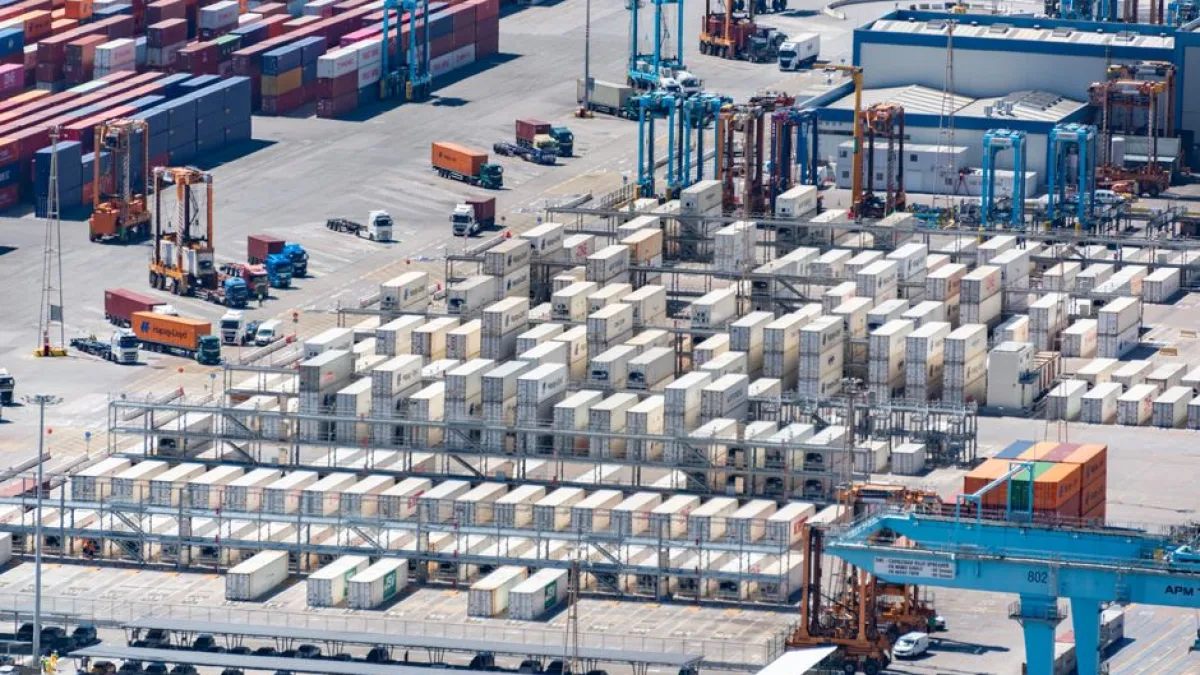
Digital transformation remains the most critical path forward for forwarders aiming to stay competitive. By focusing on cloud integration, process automation, real-time tracking, and data-driven strategy, your firm will achieve greater efficiency and reliability. The time to upgrade your technological toolkit is now. Start small, scale your systems, and enjoy the long-term benefits of a streamlined, modern, and highly profitable freight forwarding operation.