Navigating Digital Transformation in Modern Freight Forwarding
Wednesday, August 19 2026
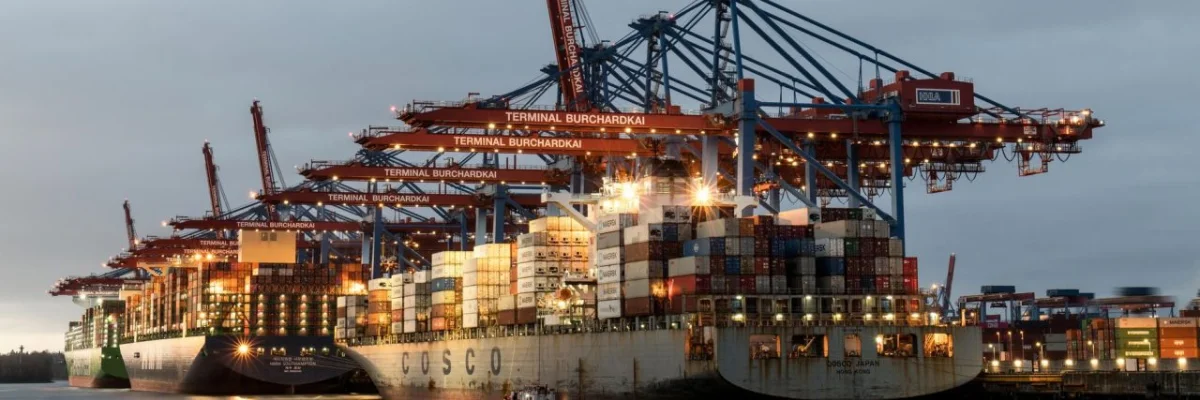
The global logistics landscape is undergoing a profound shift as technology becomes the backbone of international trade operations. For forwarders, the pressure to maintain margins while meeting heightened client expectations for transparency is at an all-time high. Adopting cloud-based platforms is no longer a luxury but a fundamental requirement to stay competitive in a market driven by data and real-time visibility. This article explores how freight professionals can leverage modern software tools to optimize their workflows, enhance collaboration across supply chain partners, and ultimately drive sustainable growth in an increasingly volatile global shipping industry.
Embracing Cloud Infrastructure
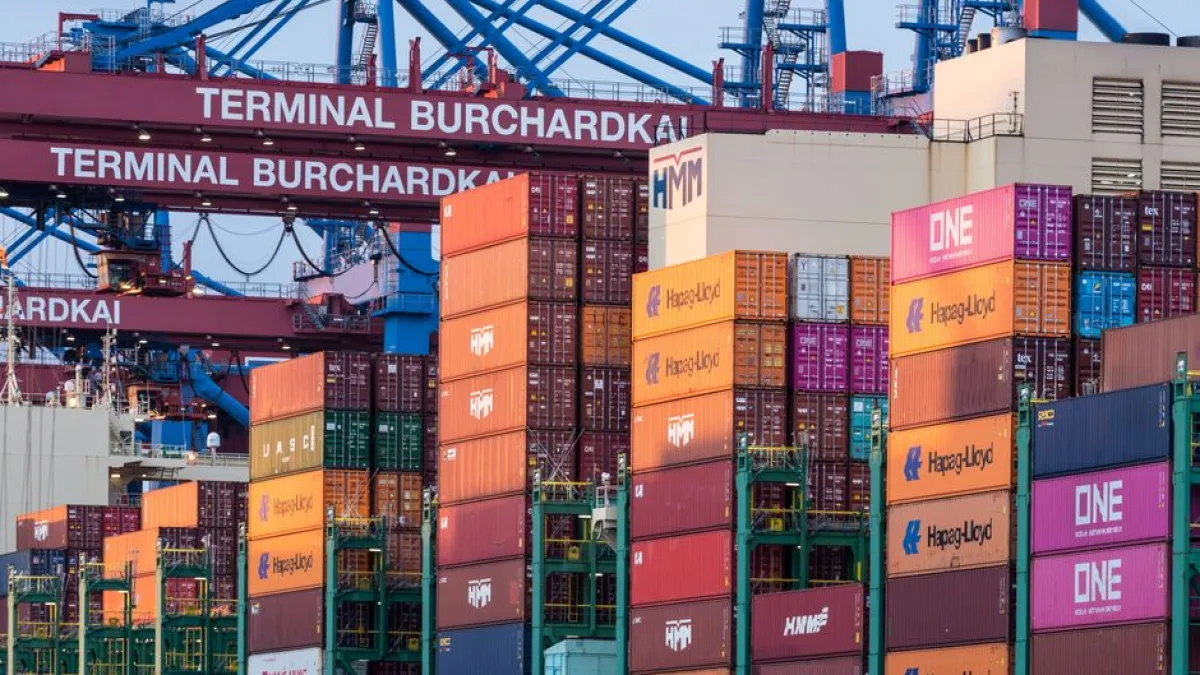
Transitioning to cloud-native systems allows freight forwarders to move away from fragmented legacy software. These platforms consolidate critical logistics data into a single source of truth, ensuring that teams across multiple geographic regions operate with synchronized information and automated task management tools.
- Centralized data access: Hosting information in the cloud provides secure, immediate access for remote teams, facilitating better decision-making processes regardless of the physical location of your staff members or partners.
- Automated manual tasks: Software integration removes repetitive data entry duties, which significantly reduces human error rates while allowing your experienced team to focus on high-value client relationship management tasks.
- Seamless system integration: Modern platforms connect effortlessly with carrier APIs and customs databases to provide live updates, ensuring that every shipment milestone is tracked accurately and reported instantly.
- Cost effective scalability: Cloud models enable businesses to expand their operational capacity without heavy hardware investments, allowing your agency to scale resources based on fluctuating shipping seasonal volume demands.
Adopting this cloud framework shifts the focus from administrative maintenance to strategic growth. By utilizing real-time data, companies can identify bottlenecks before they affect the bottom line. This level of technical maturity distinguishes industry leaders from traditional providers, providing a robust foundation that supports innovation. Investing in scalable architecture today ensures that your logistics business remains resilient when facing future industry disruptions or market downturns.
Prioritizing Data Security Standards

Protecting sensitive trade data and customer information remains a primary concern for modern forwarders. Implementing rigorous digital security protocols within your freight software is essential to guard against malicious cyber threats and maintain the trust of your global client base.
- Enhanced encryption protocols: Utilizing advanced encryption standards ensures that all digital documents and communication channels remain protected from unauthorized access during the complex international freight forwarding transit process.
- Regular security audits: Conducting frequent assessments of your software environment identifies vulnerabilities early, allowing teams to patch security gaps before they are exploited by bad actors targeting logistical systems.
- Strict user permissions: Granular access controls ensure that staff members only view the specific shipment data relevant to their role, minimizing the risk of internal data leaks or mismanagement.
- Disaster recovery plans: Cloud-based software provides redundant backups of essential documentation, ensuring that your business operations continue without significant interruption even during unexpected server outages or system attacks.
Data integrity is the cornerstone of professional logistics management in the digital age. By making security a priority, firms build a reputation for reliability that attracts top-tier global clients. While the threat landscape continues to evolve, proactive measures ensure that your firm stays ahead of risks. Protecting your digital infrastructure is ultimately about safeguarding the long-term viability and professional reputation of your company.
Optimizing Client Communication Channels

Customer experience has evolved into a key differentiator for freight forwarders. Clients now demand instant access to tracking information and automated notifications, which requires modern software solutions that simplify complex shipment data into clear, actionable updates for every stakeholder involved.
- Real-time tracking portals: Providing customers with branded digital dashboards allows them to view shipment progress independently, reducing the volume of inbound status enquiries handled by your internal support teams.
- Automated status updates: Proactive email or text alerts ensure that clients remain informed about key milestones, which fosters transparency and reinforces confidence in your end-to-end logistics service offerings.
- Unified communication tools: Integrated messaging features within your platform keep all shipment-related discussions in one place, preventing important details from getting lost in fragmented email chains or personal threads.
- Customized report generation: Generating professional analytics reports helps clients track their own supply chain performance, adding significant value beyond simple point-to-point transportation and fostering long-term business partnerships.
Enhancing client communication transforms a standard service into a competitive advantage. When customers receive timely, accurate information, their satisfaction increases significantly, leading to higher retention rates and organic referrals. By streamlining how you deliver updates, you free up your team to provide proactive service instead of simply reacting to shipment delays. Modern tools bridge the gap between technical logistics execution and excellent customer support.
Leveraging Advanced Analytics Tools

Data is the most valuable asset for forwarders looking to optimize their operational efficiency. Using advanced analytics tools helps managers uncover hidden patterns in their shipping volume, carrier performance, and route profitability to make better strategic business decisions daily.
- Carrier performance monitoring: Analyzing historical data helps identify which shipping partners consistently deliver on time and at competitive rates, enabling smarter procurement decisions for future high-priority freight movements.
- Operational cost tracking: Detailed financial dashboards provide clear visibility into overhead expenses per shipment, allowing for precise pricing strategies that maintain healthy margins in a competitive market environment.
- Predictive demand forecasting: Using past shipment patterns allows management to anticipate busy seasons or potential resource shortages, ensuring that your team is adequately prepared for upcoming logistical challenges.
- Bottleneck identification processes: Advanced reporting highlights recurring delays in specific trade lanes or customs clearing points, giving you the insight needed to implement effective solutions for your clients.
Data-driven decision making is what separates high-growth forwarders from stagnant agencies. By reviewing performance metrics regularly, you empower your team to optimize every aspect of the freight process. These insights prevent repeat mistakes and pave the way for sustainable revenue growth. As the industry becomes more analytical, companies that harness their own data effectively will inevitably lead the way in operational efficiency.
Conclusion

Digital tools are essential for the modern freight forwarder aiming to succeed in an evolving market. By prioritizing cloud adoption, data security, seamless communication, and advanced analytics, you position your firm for long-term growth and operational excellence. Start by evaluating your current software limitations today and transition to a unified platform that supports your vision. Build a more resilient logistics business with MakeCargo tools.