Navigating Digital Transformation in Modern Freight Forwarding
Monday, August 24 2026
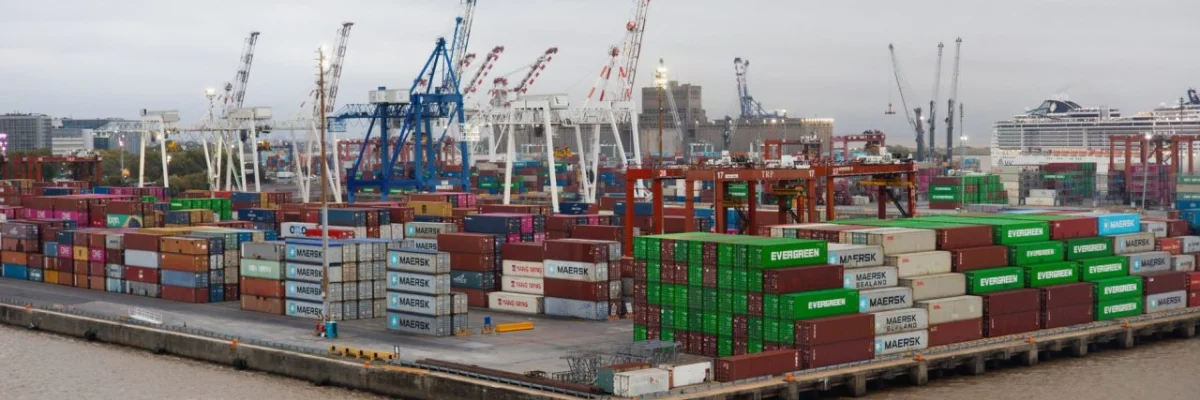
The global logistics landscape is undergoing a massive shift as traditional manual operations give way to sophisticated cloud-based solutions. Freight forwarders are increasingly tasked with managing complex supply chains while maintaining high service standards for their clients. Digital tools are no longer optional luxuries but essential assets that dictate operational efficiency and competitive viability in a saturated market. As we analyze current industry trends, it becomes evident that adopting integrated software platforms is the primary driver for sustainable growth. Forwarders who embrace this technological evolution will secure their positions as reliable partners within the intricate web of international trade.
Automation of Documentation

Streamlining manual documentation processes is critical for reducing costly human errors and accelerating cross-border clearance. By moving away from legacy paper trails, companies can ensure compliance and improve data accuracy across all shipment files simultaneously.
- Real-time data synchronization: Our platform ensures that every stakeholder accesses identical information instantly, which minimizes discrepancies and prevents the classic communication bottlenecks that often plague traditional air or sea freight booking workflows.
- Automated customs compliance: Integrated systems now handle complex regulatory requirements automatically, ensuring that all necessary declarations are submitted without delays, thus preventing hefty fines and shipment holds at critical international checkpoints.
- Digital document archiving: Centralized storage allows your team to retrieve vital shipping documents with a simple search, saving countless hours previously spent on physical filing and manual document organization tasks.
- Error reduction strategies: By implementing intelligent field validation, software catches inconsistencies early in the process, which drastically lowers the probability of costly administrative mistakes during the vital final delivery phase.
- Scalable process management: Cloud architecture grows alongside your business, enabling you to manage increased shipping volumes without needing to hire additional administrative staff for routine document processing and record keeping.
Transitioning toward full document automation marks a pivotal milestone for any forward-growing logistics enterprise today. By leveraging these advanced digital tools, your team can refocus their energy on high-value client interactions rather than tedious clerical work. This strategic shift not only boosts overall operational speed but also strengthens your firm against the unpredictable demands of the international shipping market in a highly competitive environment.
Real-time Shipment Visibility

Visibility remains the gold standard for customer satisfaction in the logistics sector today. Providing clients with live tracking capabilities transforms the shipment experience from a mystery into a transparent and predictable journey that builds long-term professional trust.
- Live tracking integration: Advanced connectivity provides instant updates on location and status, ensuring that your clients remain informed about their cargo movements without needing to call for frequent manual updates.
- Predictive delay alerts: Smart systems analyze weather patterns and port congestion to provide proactive notifications, allowing your team to inform clients and adjust schedules before problems become major issues.
- Customized client dashboards: Offering a personalized web portal gives your customers full access to their specific shipping data, which empowers them while reducing the volume of inbound inquiries.
- Geofencing technology benefits: Automated alerts notify operations managers when containers enter or leave predefined zones, which ensures that local transport providers remain accountable and on schedule throughout every leg.
- Visual tracking maps: Intuitive geographic displays provide clear oversight of complex routes, making it easy to explain multifaceted transit paths to clients who value clarity and precise arrival windows.
Enhancing your visibility capabilities is a guaranteed method to improve client retention and operational transparency across your entire organization. When logistics professionals have access to exact, live data, they make better decisions that improve bottom-line results. Adopting these modern tracking features allows your team to maintain control even when shipments face unexpected global disruptions, keeping your service levels consistently high and reliable.
Optimizing Warehouse Efficiency
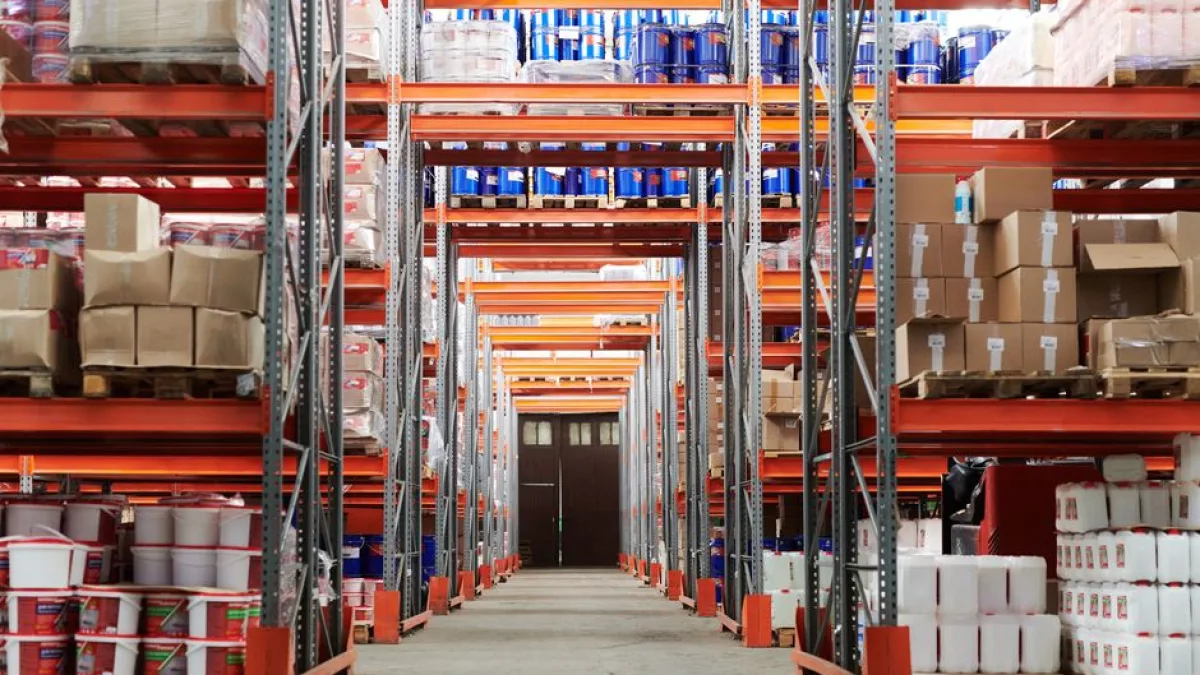
Efficient warehouse management serves as the backbone of successful logistics operations by balancing inventory levels with fast-moving distribution requirements. Maximizing space and throughput directly impacts the overall profit margins of your freight forwarding business every day.
- Inventory tracking precision: Utilize barcode scanning technology to maintain an exact count of stock levels, which helps prevent overstocking and reduces the risk of lost items during the consolidation process.
- Space utilization analytics: Software tools help managers identify empty floor space or vertical storage potential, ensuring that your warehouse is always operating at the highest possible density for maximum efficiency.
- Picking route optimization: Intelligent software determines the fastest path for warehouse staff to pick goods, which significantly reduces labor time and increases the total number of processed orders daily.
- Cross-docking efficiency gains: Minimize time spent in storage by coordinating inbound and outbound shipments directly, which cuts down on overhead costs associated with long-term inventory holding and complex staging.
- Integration with transport: Seamlessly connect your warehouse management system with transportation scheduling, which ensures that vehicles arrive exactly when goods are ready for loading and outbound shipment dispatching.
Modernizing warehouse workflows is essential for maintaining agility in an era where speed is the primary differentiator. By integrating warehouse management software with your broader freight platform, you create a unified environment that eliminates data silos. This holistic approach empowers your staff to achieve higher throughput and greater accuracy, ensuring your facility remains a high-performing asset that supports your broader organizational growth goals.
Strengthening Client Relationships

Building strong client relationships requires more than just moving freight from point A to point B. It involves providing a seamless digital experience that proves your firm is a modern, reliable partner in their complex supply chain management strategy.
- Responsive communication tools: Integrated chat features allow for rapid resolutions to client queries, which builds a reputation for excellence and reliability in a very busy and demanding marketplace.
- Detailed performance reporting: Provide clients with automated analytical reports that demonstrate your firm's success in hitting KPIs, helping them justify the continued use of your high-quality logistics services.
- Personalized service portals: Empowering clients with direct access to their account history and quotes fosters a sense of partnership rather than a strictly transactional business-to-customer dynamic today.
- Seamless quote management: Speed is vital when securing new business, so instant quoting tools allow your sales team to provide accurate pricing faster than competitors still using manual sheets.
- Proactive issue resolution: Advanced software flags potential bottlenecks before they impact the client, allowing your team to communicate solutions before the customer even notices a minor shipment delay.
Investing in tools that enhance the client experience is the most effective way to secure repeat business in the freight forwarding sector. When customers feel valued and receive transparent, timely information, their trust in your brand deepens significantly. This digital foundation enables you to scale your communication efforts while maintaining the personal touch that keeps your firm ahead of larger, less agile industry competitors.
Conclusion

Embracing digital transformation is the definitive path forward for freight forwarders aiming to thrive in an increasingly automated world. By optimizing your internal processes and prioritizing high-level client transparency, your business will gain the agility required to handle modern supply chain challenges. Start your journey toward operational excellence today by exploring cloud-based platforms that align with your specific growth objectives and long-term professional vision.