Navigating Digital Transformation in Modern Freight Forwarding
Wednesday, September 23 2026
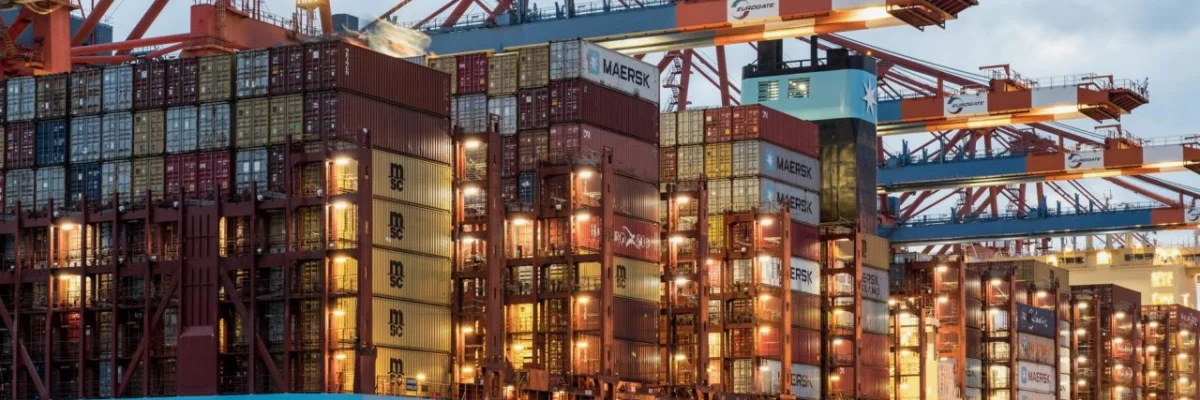
The global logistics landscape is undergoing a massive shift as traditional manual operations give way to cloud-based automation. Freight forwarding professionals are currently facing unprecedented pressure to enhance visibility, speed, and accuracy across complex international supply chains. While historical methods provided a sense of stability, the current economic climate demands agility and real-time data access to remain competitive. By embracing advanced technological solutions, forwarders can reclaim lost hours and focus on high-value client relationships. This evolution is not merely a trend but a fundamental requirement for any firm that intends to survive the next decade of market volatility.
The Rise of Automated Documentation

Paper-based workflows often cause significant bottlenecks in modern freight operations, slowing down shipments and increasing the risk of human error. Digital documentation tools allow teams to manage bills of lading and customs forms within a unified platform, ensuring total consistency.
- Eliminate Data Silos: Centralizing your documentation in a single cloud repository ensures that every team member accesses the latest file versions while reducing the risk of lost paperwork.
- Speed Up Processing: Automated systems allow your staff to generate essential shipping documents in seconds, effectively slashing administrative turnaround times and improving overall customer service satisfaction levels.
- Minimize Clerical Errors: Smart templates and automated validation checks catch mistakes before they reach customs officials, helping your agency avoid costly fines and frustrating shipment delays during transit.
- Enhance Compliance Tracking: Dedicated software platforms keep a complete audit trail of all changes, making it easier to maintain transparency during complex international regulatory reviews or inspections.
Adopting digital documentation is the first step toward operational excellence in the modern era. By removing repetitive manual entry from your daily routine, you empower your staff to focus on solving logistics challenges rather than managing spreadsheets. This shift fosters a culture of innovation and resilience, positioning your firm as a forward-thinking leader capable of handling high-volume shipments with precision and absolute reliability.
Real-Time Cargo Visibility Solutions
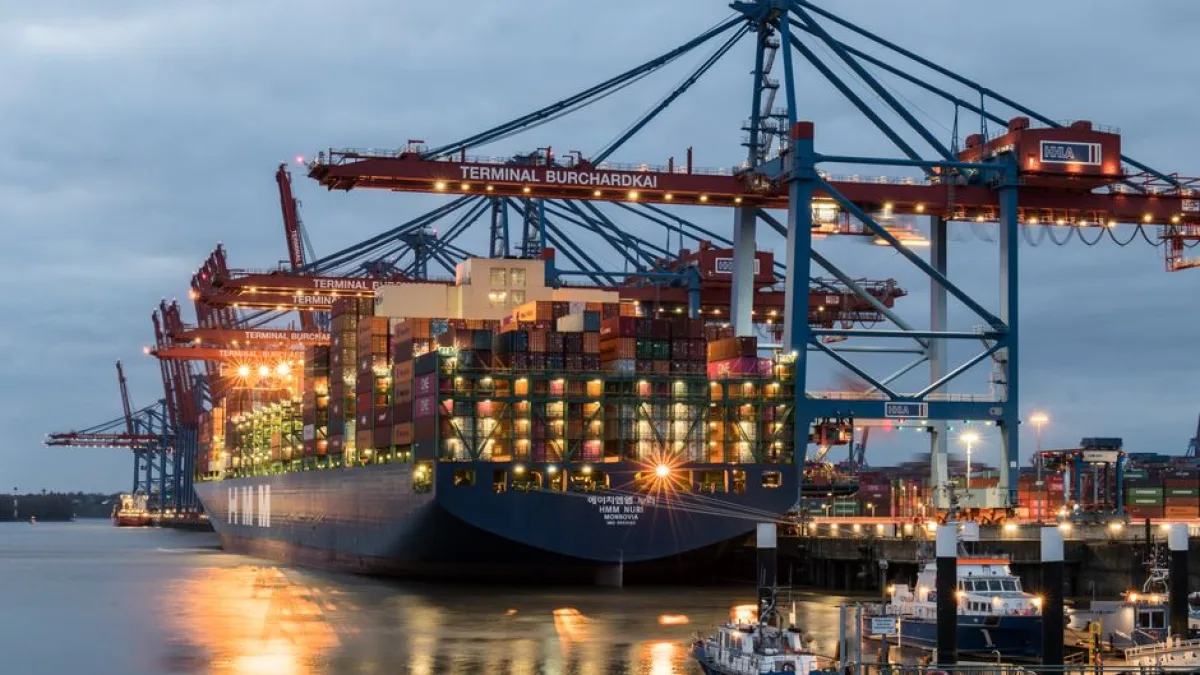
Customers today expect constant updates regarding their cargo status across every stage of the transit journey. Providing granular visibility through automated tracking alerts allows forwarders to build trust and accountability while proactively addressing potential delivery delays before they escalate.
- Instant Status Updates: Integrate live tracking APIs into your workflow to provide clients with automatic notifications whenever cargo passes key milestones throughout the entire logistics delivery chain.
- Proactive Problem Solving: Access to real-time data allows logistics coordinators to identify potential bottlenecks early and implement alternative routes before shipments become stranded in distant ports.
- Enhance Client Trust: Sharing live dashboards creates a transparent relationship between you and your customers, proving that your agency has total control over their valuable cargo inventory.
- Reduce Inquiry Volume: Automated status portals satisfy the information needs of your clients, significantly lowering the number of manual status check emails your support team receives.
Providing clear and accurate visibility transforms the customer experience from a stressful black box into a managed and predictable process. When clients see that you prioritize their cargo status, they become loyal partners who value your service above competitors. Investing in robust tracking tools is an investment in your brand reputation, ensuring that you stand out as a reliable choice in shipping.
Cloud Infrastructure for Scalability

Moving your operations to the cloud provides the flexibility required to scale your business during peak shipping seasons without the burden of hardware maintenance. Cloud platforms offer secure access from anywhere, supporting remote teams and global collaboration across different time zones.
- Secure Data Access: Hosting your freight management software in the cloud ensures that your team can securely access critical files from any global location with internet connectivity.
- Seamless Team Collaboration: Cloud tools allow multiple agents to view and edit shipment details simultaneously, breaking down communication barriers and fostering a more agile logistics environment.
- Scalable Computing Resources: Adjust your software usage based on current shipping volumes, allowing your infrastructure to grow alongside your agency as you acquire more global clients.
- Enhanced Cyber Security: Top-tier cloud providers implement advanced encryption and regular security updates, protecting your sensitive business data from evolving digital threats and unexpected system outages.
Cloud-based infrastructure removes the technical hurdles that often prevent smaller forwarders from scaling their operations effectively. By offloading maintenance and security to expert providers, you focus entirely on growing your business and serving customers. This flexible model ensures your team stays synchronized, productive, and secure, regardless of their location, ultimately providing a stable foundation for long-term growth and success in logistics.
Optimising Carrier Management Strategies
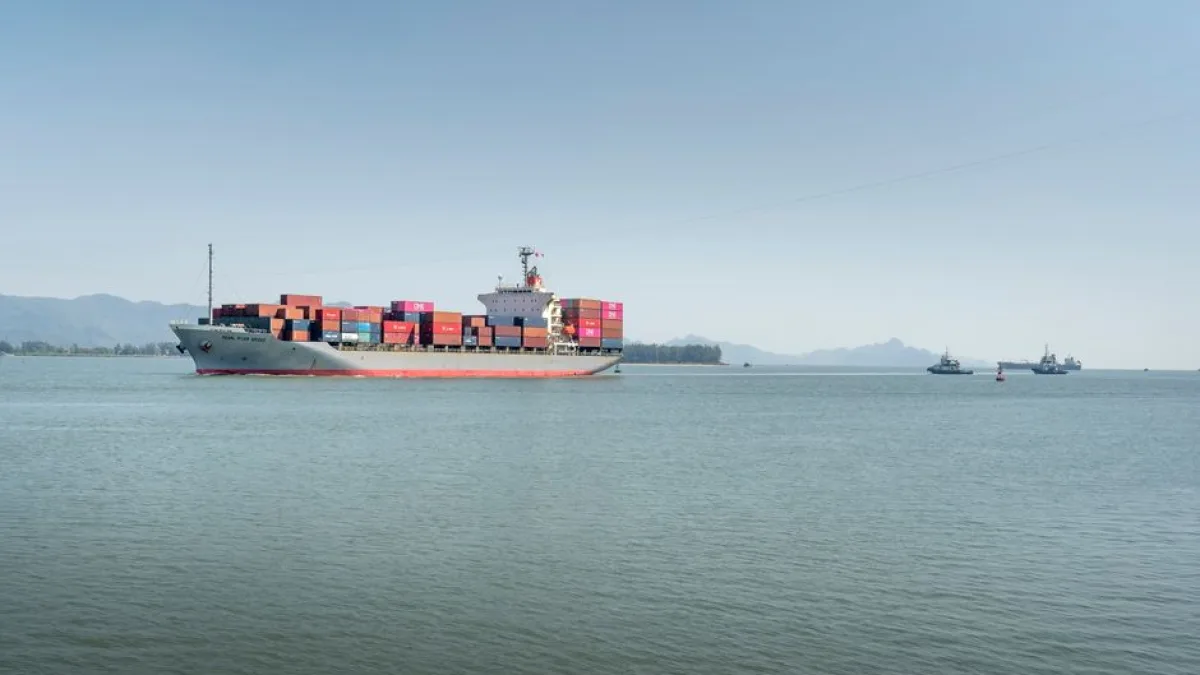
Building strong relationships with reliable carriers is essential for maintaining consistent service levels and competitive pricing. Using software to manage carrier performance data helps forwarders negotiate better rates and choose the best partners for specific trade lanes and complex shipping requirements.
- Analyze Performance Data: Track key performance indicators for each carrier to identify those who consistently meet delivery windows and maintain the highest standards of safety for cargo.
- Simplify Rate Management: Store and compare carrier rates within your digital platform to quickly select the most cost-effective and efficient shipping options for every single client project.
- Strengthen Partner Bonds: Clear communication and automated payment processes improve your standing with top-tier carriers, securing better priority status for your cargo during high-demand shipping seasons.
- Dynamic Route Planning: Use historical carrier data to refine your route planning processes, selecting partners based on proven success rates rather than relying on outdated industry assumptions.
Optimized carrier management is the backbone of a successful freight forwarding firm that prioritizes efficiency and cost-effectiveness. By utilizing data-driven insights to manage your partnerships, you move beyond simple transactions into long-term collaborative agreements. This strategic approach ensures that you provide consistent value to your customers while maintaining healthy margins, solidifying your reputation as a provider that manages every shipment with intelligence.
Conclusion

Technological advancement is the primary driver for efficiency in the modern freight industry. By integrating automated documentation, real-time tracking, cloud infrastructure, and data-driven carrier management, your firm can overcome the challenges of a volatile global market. Start your digital transition today to simplify complex workflows, reduce overhead costs, and provide superior service. Contact MakeCargo to learn how our platform supports these vital industry improvements.