Navigating Digital Transformation in Modern Freight Forwarding
Monday, September 28 2026
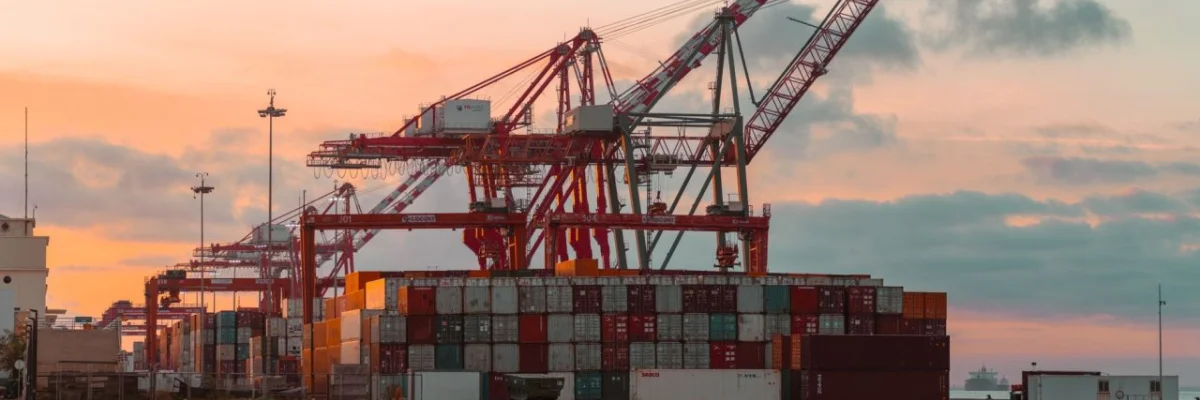
The global logistics landscape is undergoing a profound shift as digital transformation moves from a competitive advantage to a fundamental business necessity. Freight forwarders are currently facing unprecedented pressure to enhance operational transparency and speed while managing volatile supply chain disruptions. Embracing cloud-based technologies allows forwarders to move away from legacy systems and manual spreadsheets that slow down growth. As we analyze the latest industry trends, it becomes clear that those who invest in data-driven tools today will be the ones to define the future of international trade logistics for years to come.
The Shift to Automated Operations

Warehouse and office automation represents the first step toward reclaiming lost hours spent on repetitive data entry tasks. By implementing intelligent software, teams can redirect their focus toward high-value client interactions rather than fixing minor shipping document errors.
- Automated Data Processing: Advanced optical character recognition tools extract information from bills of lading automatically, reducing human input error and significantly increasing the speed of your documentation workflow cycles.
- Seamless Integrations: Connecting your freight software with customs platforms ensures that regulatory data flows securely and accurately across borders, minimizing the risk of costly clearance delays today.
- Real-time Visibility Dashboards: Centralized digital platforms provide staff with an instant overview of all ongoing shipments, allowing them to proactively address potential bottlenecks before they impact delivery schedules.
- Digital Document Storage: Moving all invoices and shipping manifests to secure cloud repositories ensures that your entire team can access essential information from any location at once.
By shifting away from legacy paper-heavy systems, forwarders can finally achieve a level of consistency that builds trust with shippers. Automation reduces the operational fatigue that often plagues growing teams during peak seasons. As your company scales, these digital foundations ensure that service quality remains high, preventing the common mistakes that arise during rapid expansion periods and helping you maintain a competitive market position.
Optimizing Global Supply Chain Visibility
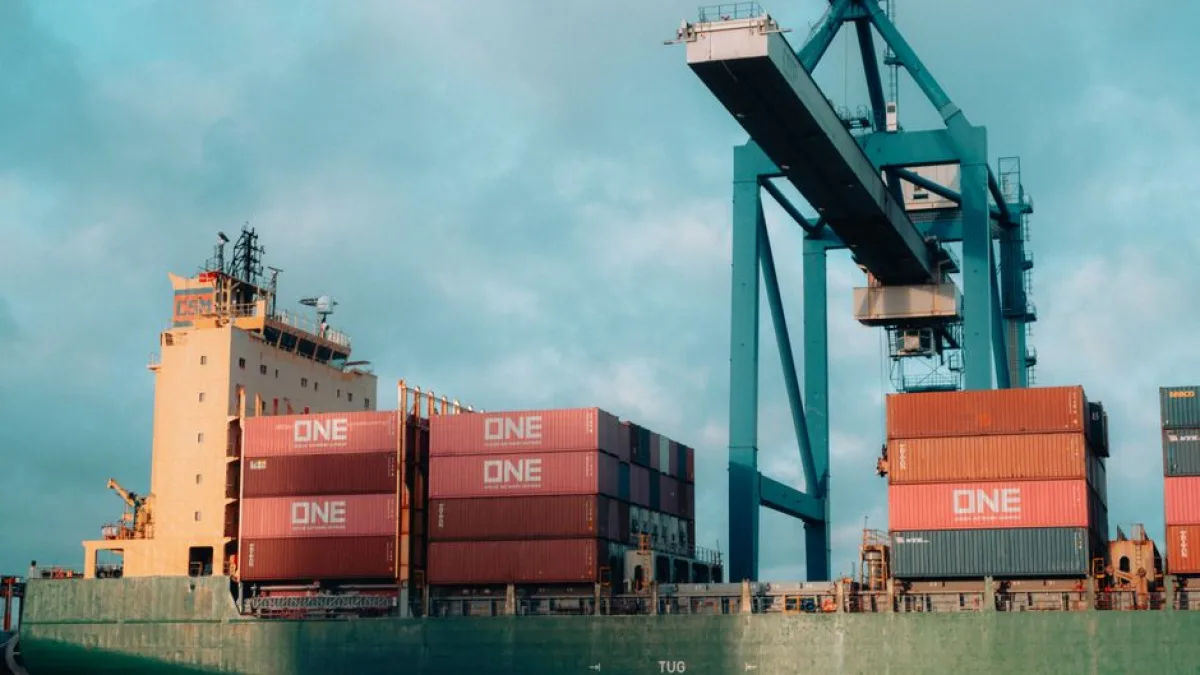
Visibility remains the most critical requirement for modern shippers demanding updates on their cargo status. Providing clients with live tracking capabilities transforms the relationship from a simple transaction into a deeply integrated partnership based on total operational trust.
- Live Tracking Updates: Integration with ocean carrier APIs provides shippers with immediate, precise location data for their goods throughout the entire voyage across international shipping routes and terminals.
- Predictive Arrival Alerts: Sophisticated algorithms analyze historical port data to provide accurate estimated arrival times, helping your clients manage their downstream logistics and inventory requirements with precision.
- Exception Management Alerts: Automated notifications warn staff about potential vessel delays or port strikes instantly, enabling the team to formulate alternative routing plans before customers get worried.
- End-to-End Tracking: Mapping the entire shipment journey from factory floor to final destination provides the transparent visibility that modern supply chain managers require for daily operations.
When clients know exactly where their cargo is, they can manage their own supply chains with far greater confidence and control. This transparency becomes a key selling point for your agency during new contract negotiations. By removing the guesswork from global shipping, you position your firm as an essential partner that prioritizes clear communication and technological excellence in every single freight movement.
Cloud Technology for Remote Flexibility

The transition toward cloud-native platforms has enabled freight forwarders to operate effectively from anywhere in the world. This flexibility is essential for maintaining business continuity during times of change while simultaneously attracting top talent who expect modern digital workplaces.
- Remote Access Capabilities: Cloud hosting ensures that your team members can manage complex bookings or review manifests securely from their homes or regional offices without any downtime.
- Team Collaboration Tools: Shared digital workspaces allow multiple departments to comment on specific files simultaneously, eliminating the slow back and forth of endless email threads today.
- High Security Standards: Modern cloud freight software providers invest heavily in data encryption and frequent backups, keeping your sensitive client information safer than traditional local office servers.
- Easy Software Scalability: Cloud solutions allow you to add new user licenses or features as your business grows, avoiding the need for expensive hardware or infrastructure investment.
Adopting a cloud-first strategy provides your business with the agility needed to respond quickly to market changes. As global work patterns evolve, your team stays connected and focused on the core mission of moving cargo efficiently. This setup not only improves your internal productivity but also reduces the overhead costs associated with maintaining physical servers and complex on-premise IT infrastructure installations.
Data Analytics for Strategic Growth

Utilizing historical shipment data allows forwarders to identify new revenue opportunities and refine their pricing strategies. Forward-thinking companies are now using advanced analytics to move beyond simple logistics and provide meaningful business intelligence to their valued customers.
- Freight Cost Analysis: Reviewing historical shipping data helps forwarders identify specific trade lanes where profit margins are highest, allowing for better focus on profitable business development and growth.
- Customer Behavior Insights: Analyzing your clients shipping patterns helps you predict their future volume needs, enabling proactive sales outreach and more accurate capacity planning for busy periods.
- Performance Reporting Metrics: Automated reports give your team clear insight into carrier performance, enabling you to select the best partners based on actual reliability and transit speed.
- Revenue Trend Forecasting: Long-term data tracking highlights seasonal fluctuations in trade volume, helping your management team prepare for both the high and low periods of global trade.
Turning raw logistics data into actionable business insights is the hallmark of a modern freight forwarder. By presenting this intelligence to clients, you move from being a commodity service provider to a strategic consultant. This evolution creates deeper loyalty, as customers recognize the value you add to their broader supply chain strategy through smart and data-driven logistical decisions every year.
Conclusion

Digital transformation is no longer a luxury but a fundamental requirement for forwarders aiming to thrive in a competitive global market. By embracing automation, visibility tools, and data analytics, you can secure your company future and deliver exceptional value to clients. Now is the time to evaluate your current software capabilities and implement the changes necessary to streamline your operations for long-term growth.