Navigating Digital Transformation in Modern Freight Forwarding
Wednesday, September 30 2026
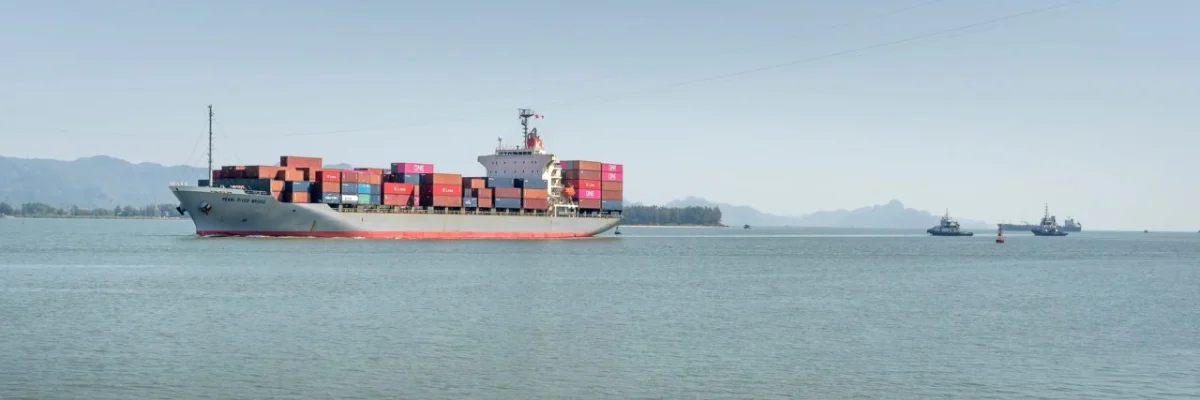
The global logistics landscape is undergoing a profound shift as digital transformation moves from a competitive advantage to a fundamental business necessity. Freight forwarders are currently balancing legacy operational models with the urgent need for cloud-based visibility, automation, and real-time data integration. As market volatility continues to challenge supply chain predictability, professionals must adapt by leveraging sophisticated software platforms that unify fragmented workflows. This transition is not merely about upgrading hardware but about reshaping how organizations interact with partners, carriers, and shippers to ensure seamless trade flows in an increasingly complex and demanding international environment.
Embracing Cloud Infrastructure

Modern cloud infrastructure provides the backbone for scalable logistics operations, allowing firms to manage global shipments from any location. By centralizing data in the cloud, forwarders eliminate silos and foster improved collaboration between international branch offices and local operational teams.
- Scalable operational capacity: Cloud platforms allow freight forwarders to expand their digital infrastructure as shipping volumes grow without the need for expensive physical server maintenance or complex hardware upgrades.
- Enhanced team collaboration: Centralized digital workspaces ensure that every stakeholder accesses identical shipment data, significantly reducing communication errors and preventing delays caused by outdated documentation or disjointed legacy systems.
- Real-time data accessibility: Stakeholders can retrieve critical shipping status updates from any device globally, ensuring that management and customers stay informed regardless of their physical location or timezone.
- Improved system security: Leading cloud providers offer robust encryption and automated backup protocols that protect sensitive trade documentation against cyber threats far more effectively than on-premise local servers.
Transitioning to the cloud remains the most effective strategy for firms aiming to maintain agility in a fluctuating market. When logistics providers migrate their core operations to a unified digital environment, they successfully reduce overhead costs and eliminate technical bottlenecks. This shift empowers teams to focus on strategic client relationships rather than troubleshooting disparate software, ultimately driving long-term operational success for the modern forwarder.
Automating Complex Documentation

Automated documentation software streamlines the tedious process of bill of lading preparation, customs filings, and commercial invoicing. By minimizing manual entry, firms can accelerate throughput and significantly reduce the frequency of costly clerical errors that plague traditional paper-based freight shipping processes.
- Reduced data errors: Automated validation tools check every document field against historical shipping records, ensuring that potential inaccuracies are identified and corrected before customs authorities reject critical trade filings.
- Faster processing times: Digitizing manual document workflows shortens the time spent on administrative tasks, allowing staff to handle higher shipment volumes without increasing the headcount of their operations team.
- Improved document compliance: Smart software automatically updates to reflect current international trade regulations, ensuring that all outgoing documents meet the latest legal standards required by destination port authorities.
- Streamlined client billing: Integrated software modules generate accurate invoices directly from operational data, ensuring that charges are calculated correctly and sent to customers without unnecessary administrative delays occurring.
Investing in automation serves as a primary driver for efficiency in competitive freight markets. By removing the burden of manual input, forwarders can redirect human talent toward high-value tasks like client negotiation and route optimization. This strategic focus improves internal productivity while simultaneously enhancing the quality of service provided to international shippers who demand precision and speed throughout their complex supply chains.
Achieving Supply Chain Visibility

Total supply chain visibility enables forwarders to track shipments across multiple transport modes with granular precision. This transparency helps organizations identify bottlenecks before they become significant delays, allowing for proactive adjustments that keep global trade moving according to the intended shipping schedule.
- Proactive delay management: Real-time tracking alerts allow logistics coordinators to anticipate potential port congestion or carrier delays, enabling them to reroute shipments before they impact the final delivery deadline.
- Better customer communication: Providing clients with a self-service portal for tracking shipments builds trust and transparency, as customers receive accurate updates without needing to contact the office staff.
- Integrated carrier tracking: Modern software platforms aggregate tracking data from ocean lines, trucking companies, and air freight carriers into one dashboard, offering a unified view of every shipment.
- Actionable performance insights: Analytics dashboards provide managers with deep visibility into carrier performance metrics, which helps in negotiating better service agreements based on reliable historical data and trends.
Visibility serves as the bedrock of modern customer satisfaction in the logistics industry today. When forwarders provide clients with comprehensive tracking data, they transform from simple transport providers into essential strategic partners. This level of transparency requires robust software integrations that pull information from diverse carriers. Consequently, forwarders who prioritize visibility capture more market share by delivering the reliability that global businesses consistently require.
Optimizing Strategic Decision Making
Data analytics transforms raw shipment information into strategic insights that drive better profitability and operational efficiency. By analyzing trends in freight rates, lane performance, and carrier reliability, forwarders can make evidence-based decisions that optimize margins and improve their overall service offerings for clients.
- Dynamic rate analysis: Analytics tools track historical lane costs, allowing forwarders to offer competitive pricing to shippers while maintaining healthy profit margins during periods of significant market rate volatility.
- Lane performance optimization: Managers can identify which routes consistently underperform due to delays or excessive costs, enabling them to shift resources toward more reliable and profitable trade lanes.
- Carrier reliability scores: Establishing a ranking system for carriers based on actual performance data ensures that forwarders consistently partner with the most reliable transport providers for their clients.
- Predictive trend modeling: Advanced algorithms analyze historical shipping data to forecast future volume trends, allowing firms to prepare their operational capacity in advance of peak season demand.
The ability to harness internal data represents the final frontier for forwarders seeking long-term growth and stability. Those who invest in advanced reporting tools gain the ability to predict market shifts rather than merely reacting to them. This proactive stance ensures that businesses stay ahead of the competition. Start your digital transformation journey today by choosing tools that prioritize data-driven intelligence for your organization.
Conclusion

Digital transformation is the essential pathway for freight forwarders looking to survive and thrive in a complex global market. By embracing cloud technology, automating workflows, and utilizing actionable data, firms can achieve unprecedented levels of efficiency. Now is the time to audit your current software stack and prioritize upgrades. Visit the MakeCargo website to learn how our platform empowers forwarders to scale effectively.