Navigating Digital Transformation in Modern Freight Forwarding
Sunday, October 18 2026
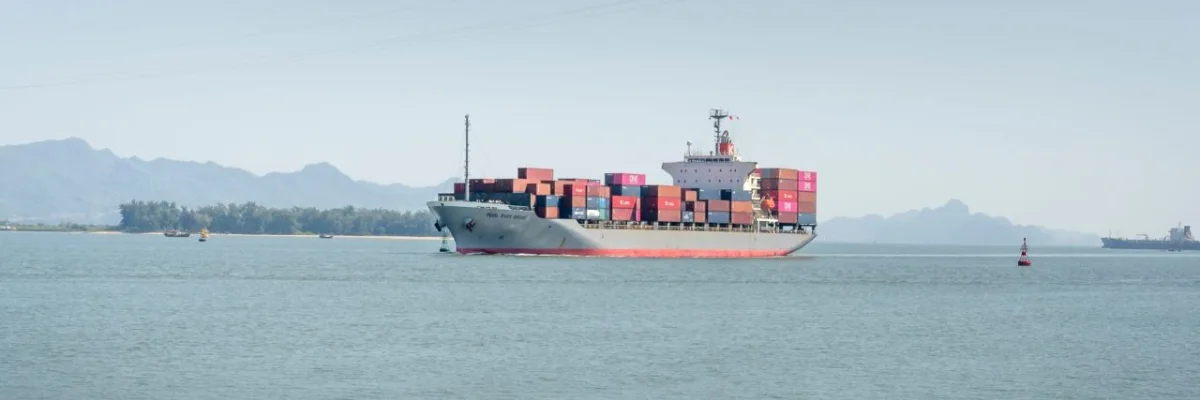
The global freight forwarding landscape is undergoing a massive shift as digital transformation moves from a competitive advantage to a fundamental requirement for survival. With supply chains becoming increasingly complex and client expectations rising, forwarders must shed legacy manual processes to thrive. Cloud-based logistics platforms now provide the visibility, automation, and real-time data analysis necessary to navigate volatile market conditions effectively. By embracing technological innovation, forwarders can enhance operational transparency, reduce overhead costs, and build deeper trust with their partners and clients. Adapting to this new digital reality ensures that firms remain resilient while scaling their operations in a rapidly changing international trade environment.
Optimizing Warehouse Logistics Efficiency
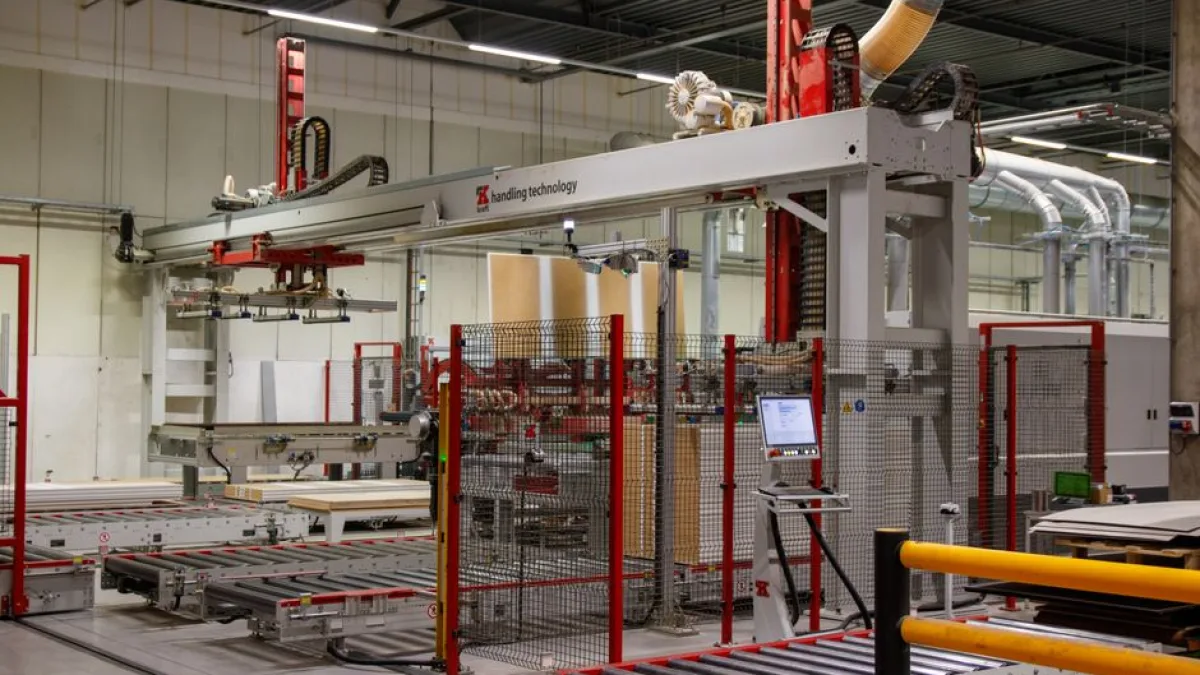
Modern warehousing operations demand high levels of precision and speed to maintain flow. By integrating smart software with automated infrastructure, forwarders can minimize human error and drastically improve throughput times while maintaining accurate inventory tracking across multiple global shipping locations.
- Advanced inventory visibility: Real-time tracking allows warehouse managers to monitor stock levels with precision, ensuring that shipments are processed immediately upon arrival at the facility to prevent costly delays.
- Automated sorting processes: Smart sorting technologies utilize barcode scanning and conveyor systems to organize cargo efficiently, significantly reducing the labor hours typically required for complex manual order fulfillment tasks.
- Data driven decisions: Analytics dashboards provide actionable insights into warehouse performance, helping teams identify bottlenecks in the supply chain and optimize storage space utilization for maximum operational output.
- Improved resource allocation: Intelligent scheduling tools assist managers in assigning staff to the most critical tasks during peak shipping times, which helps balance the workload across daily shifts.
Achieving excellence in warehouse management requires a commitment to continuous improvement through digital integration. As forwarders continue to adopt advanced software solutions, they create a cohesive environment where information flows freely between the floor and the management office. This connectivity not only reduces the risk of miscommunication but also fosters a culture of agility that is necessary for success in global trade.
Streamlining Global Customs Compliance
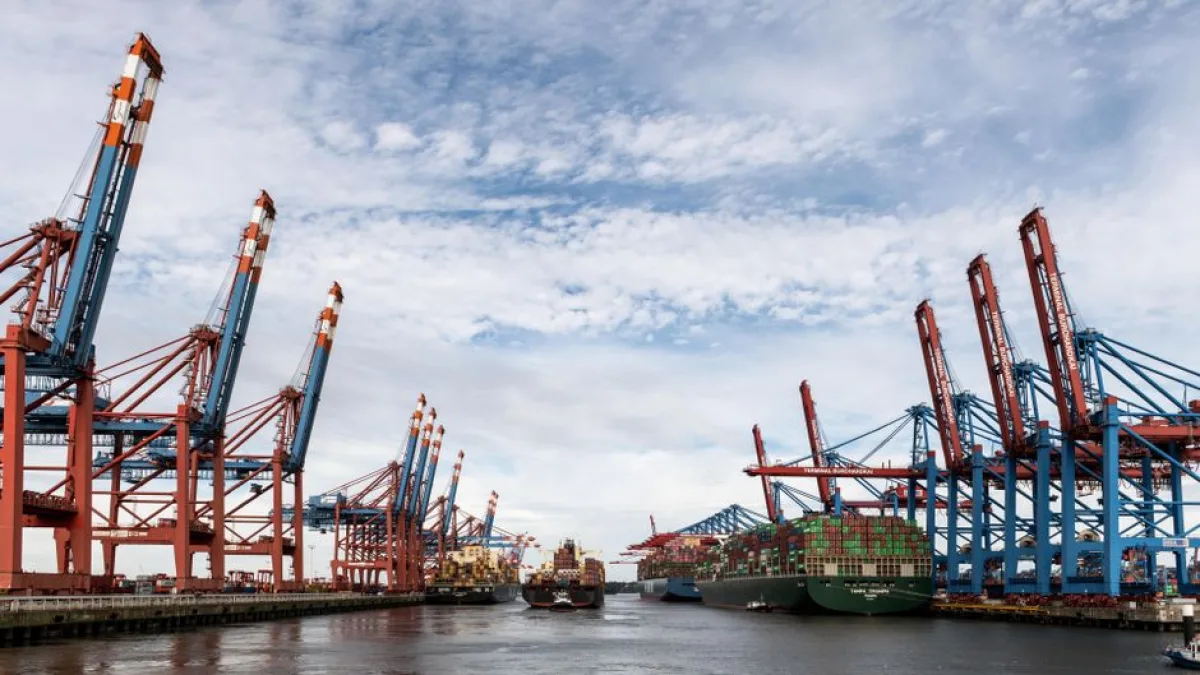
Navigating the labyrinth of international customs regulations remains a primary challenge for freight forwarders. Digital compliance tools automate documentation filing and keep firms updated on shifting trade laws, ensuring that cargo moves through borders without expensive legal penalties or delays.
- Automated document filing: Digital platforms automatically populate customs declarations with accurate shipment data, which eliminates manual entry errors that often lead to shipments being held at international border crossings.
- Regulatory compliance updates: Automated alerts provide instantaneous notification regarding changes in regional trade laws, keeping forwarders informed so they can adjust their shipping strategies before problems arise for clients.
- Secure document encryption: Utilizing cloud security ensures that sensitive trade documents remain protected from cyber threats, while also providing authorized parties with secure access to necessary import files.
- Tax calculation accuracy: Integrated calculators determine exact duties and tariffs based on commodity codes, providing clients with transparent pricing that prevents unexpected charges during the final delivery phase.
Mastering customs compliance is essential for any forwarder looking to minimize risk and protect the reputation of their business. By leveraging digital automation, professionals can ensure that every shipment conforms to complex legal standards while avoiding the friction of manual paperwork. These technological advancements enable forwarders to focus on growing their client base rather than getting trapped in bureaucratic regulatory hurdles daily.
Enhancing Last Mile Delivery Speed

The final leg of the supply chain often dictates the overall customer experience for the end recipient. Integrating specialized software helps forwarders optimize delivery routes, track real-time vehicle movement, and improve communication with drivers to ensure that parcels arrive on schedule.
- Optimized route planning: Dynamic routing algorithms calculate the fastest possible paths for drivers, which helps save fuel costs and ensures faster delivery windows for high priority freight shipments.
- Real time vehicle tracking: GPS integrated dashboards allow dispatchers to monitor the location of delivery trucks constantly, providing clients with precise arrival estimations that increase trust and transparency.
- Driver mobile integration: Digital apps enable seamless communication between the office and field agents, allowing for instant updates regarding road conditions or delivery confirmation signatures captured on devices.
- Exception management alerts: Automated systems notify dispatch teams immediately if a delivery encounters a delay, allowing for proactive problem solving that preserves the quality of the service provided.
Efficient last mile execution serves as the ultimate benchmark for modern shipping success. When freight forwarders utilize cloud platforms to bridge the gap between departure and destination, they achieve superior control over their logistics operations. This reliability encourages repeat business and sets a professional standard that separates top-tier forwarders from the competition. Technology truly transforms the final delivery into a predictable, high-value service.
Improving Client Communication Standards

Effective communication is the backbone of long-term relationships within the freight industry. Moving away from scattered email threads to centralized client portals enables forwarders to share updates, documents, and invoices in one secure location accessible to all stakeholders.
- Centralized communication hubs: Dedicated client portals consolidate all project messaging, preventing vital information from being buried in overflowing email inboxes and ensuring that teams stay aligned on updates.
- Document sharing efficiency: Digital repositories allow clients to download invoices or bills of lading instantly, which reduces administrative back and forth and speeds up the overall payment cycle.
- Transparency in tracking: Clients gain direct access to shipment milestones through customized dashboards, reducing the number of manual status inquiries that customer service teams must process every day.
- Proactive issue resolution: Shared digital interfaces allow both parties to flag potential problems early, fostering a collaborative atmosphere where solutions are implemented before they impact the bottom line.
Elevating client communication through digital portals creates a professional experience that drives customer retention. When clients have the autonomy to track their freight and access documentation on demand, the forwarder saves precious time for strategic planning. Prioritizing transparency and accessibility builds a foundation of trust that remains strong even during the most difficult periods of global market instability or supply chain disruption.
Conclusion

Technology stands as the primary catalyst for growth in the modern freight industry. By digitizing warehouses, customs processes, last mile delivery, and client communication, forwarders can position themselves as leaders in a high-tech global economy. MakeCargo provides the tools you need to stay ahead of the curve. Contact our team today to explore how our software platform can streamline your freight operations.