Navigating Digital Transformation in Modern Freight Forwarding
Monday, October 19 2026

The global logistics landscape is undergoing a profound shift as digital transformation moves from a competitive advantage to a fundamental operational requirement. Freight forwarders are increasingly tasked with managing complex supply chains while maintaining transparency and speed for their customers. As market volatility remains a constant challenge, the adoption of cloud-based platforms has become the primary strategy for firms looking to scale efficiently. By integrating advanced software solutions, logistics professionals can replace manual processes with automated workflows, ultimately driving higher accuracy and improving client satisfaction across every stage of the international shipment journey.
Embracing Cloud Automation

Cloud integration allows freight forwarders to centralize their data across multiple global locations. By moving away from legacy systems, companies gain real-time visibility into their operations, enabling faster decision-making and better resource allocation during periods of high market demand.
- Seamless data connectivity: Modern platforms bridge the gap between carriers and shippers by providing a unified digital interface that minimizes communication delays and reduces the likelihood of manual entry errors.
- Scalable infrastructure growth: Cloud systems enable forwarders to increase their shipment capacity without needing heavy hardware investments, ensuring that the business remains agile as global trade demands change rapidly.
- Real-time inventory tracking: Enhanced visibility tools empower teams to monitor cargo status throughout the transit process, ensuring that any potential delays are identified and mitigated before they impact clients.
- Automated billing workflows: Advanced software automates complex invoicing and payment procedures, significantly reducing the administrative burden on accounting staff and accelerating the overall cash flow cycle for the business.
Adopting automated cloud solutions provides a direct path to operational excellence in a crowded market. Forwarders who prioritize these digital tools can offer superior service levels while simultaneously reducing overhead costs. This shift is not just about keeping pace with competitors but about building a foundation that supports long-term growth and resilience against the unpredictable fluctuations of the international logistics industry and global economy.
Optimizing Supply Chain Transparency
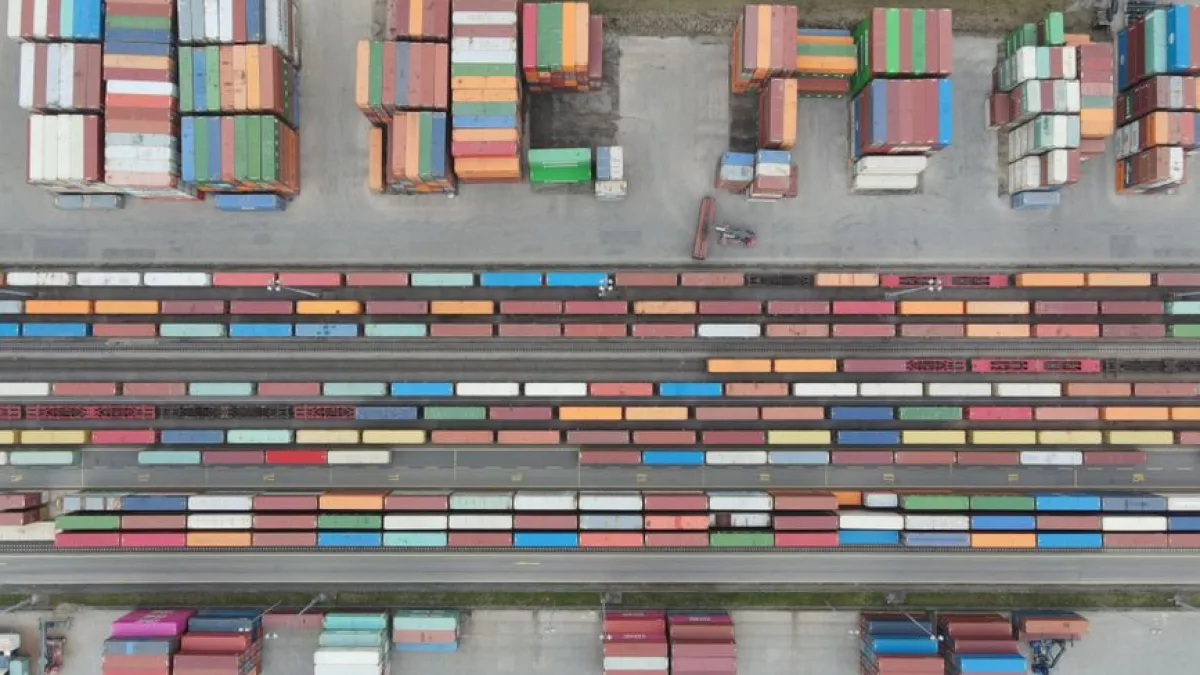
Transparency serves as the cornerstone of customer trust in modern logistics. Clients now demand instant access to shipment details and document status, forcing forwarders to adopt transparent digital portals that eliminate the need for constant manual status updates.
- Client-facing dashboards: Digital portals provide customers with 24/7 access to their shipment data, reducing the volume of status inquiries and allowing support teams to focus on complex logistics.
- Standardized documentation flow: Centralizing documents like bills of lading and commercial invoices ensures that all stakeholders work from the same information, which prevents costly errors in customs clearance processes.
- Predictive delay notifications: Analytical tools detect potential bottlenecks early, allowing proactive communication with clients that establishes a reputation for reliability even when unforeseen global shipping delays happen frequently.
- Enhanced cargo security: Digital tracking protocols verify the movement of goods at every checkpoint, ensuring that sensitive shipments remain secure throughout their journey from origin to final destination.
Building a transparent supply chain requires more than just good software. It requires a commitment to open communication and the implementation of reliable tracking technologies that keep all parties informed. By offering high levels of visibility, freight forwarders differentiate their services from those relying on outdated methods, thereby securing client loyalty and fostering strong, long-term partnerships that can withstand intense market competition.
Strengthening Customs Compliance Protocols

Navigating the complex world of international customs regulations requires precision and speed. Automated compliance tools help forwarders manage changing trade laws and complex documentation requirements, ensuring that shipments move through borders without facing unnecessary administrative delays or costly legal penalties.
- Automated tariff calculations: Specialized software engines keep forwarders updated on the latest tax codes and duty regulations, ensuring that all shipments are classified correctly to avoid any customs fees.
- Streamlined document filing: Digital platforms enable the direct submission of required paperwork to customs authorities, reducing the time spent on manual preparation and accelerating the movement of goods.
- Compliance monitoring systems: Advanced algorithms flag potential regulatory discrepancies in documentation before shipment departure, providing an essential safety net that prevents customs authorities from rejecting the entire cargo load.
- Regulated trade reporting: Automated reporting modules generate accurate audits of all international transactions, ensuring that logistics firms always remain in full compliance with evolving global trade standards today.
Compliance is a critical pillar that keeps international trade moving smoothly. By integrating automated tools, forwarders reduce the risk of human error in documentation, which often leads to expensive delays or fines. Taking a proactive approach to regulatory changes allows logistics companies to build credibility with both customs officials and their clients, ensuring that goods reach their intended destinations in a timely manner.
Leveraging Data Analytics for Growth
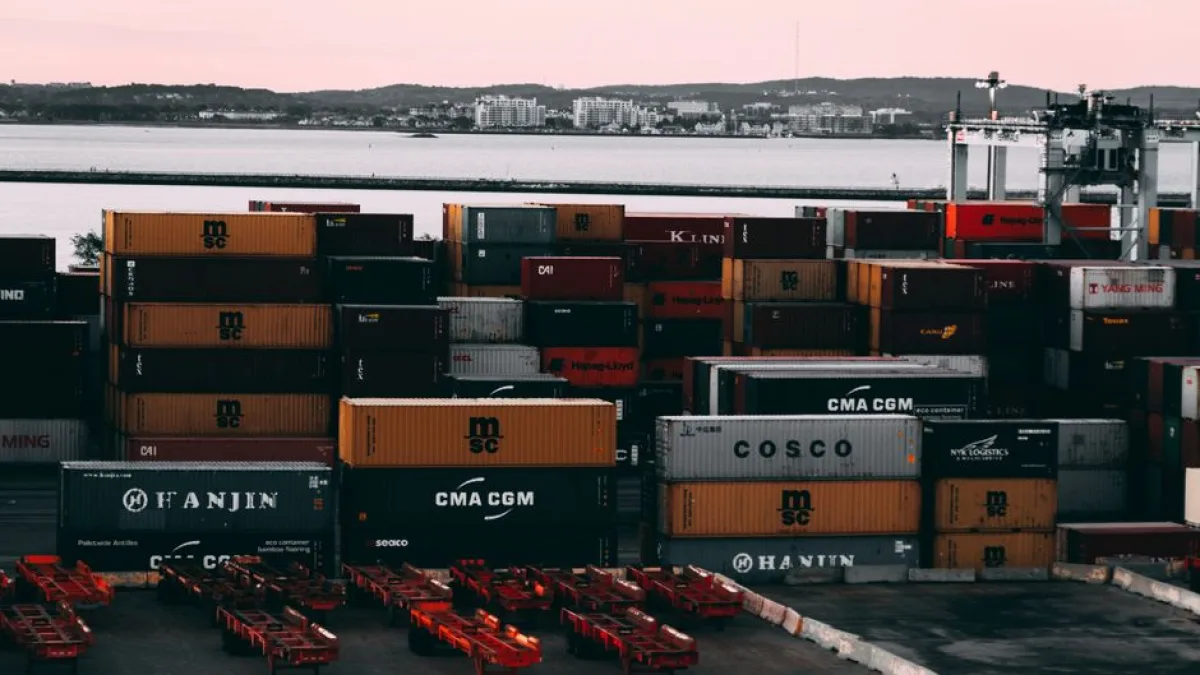
Data acts as the hidden engine driving modern logistics success. By analyzing historical shipping patterns and current market trends, freight forwarders can optimize their procurement strategies, negotiate better rates with carriers, and identify new opportunities for expansion in diverse global markets.
- Market trend forecasting: Predictive analytics allow companies to anticipate demand surges, enabling more effective capacity planning and better negotiation strategies with major shipping lines and freight service providers.
- Performance benchmarking tools: Analytics platforms track key performance indicators across departments, highlighting areas where operational speed can be improved to increase the overall efficiency of the global firm.
- Cost analysis insights: Granular data regarding shipping routes and carrier performance helps logistics managers identify the most profitable paths, reducing unnecessary expenditures and maximizing total shipping margins monthly.
- Optimized carrier selection: Data-driven decision making ensures that forwarders choose the best carriers based on reliability, transit time, and price, delivering consistent value to customers on every single shipment.
Harnessing the power of data transforms simple logistics companies into strategic advisors for their clients. By using actionable insights, forwarders provide informed guidance that helps businesses optimize their own supply chains. This analytical mindset creates a cycle of improvement where efficiency gains are consistently captured, leading to sustainable profitability and a stronger, more data-driven market position within the competitive logistics industry globally.
Conclusion
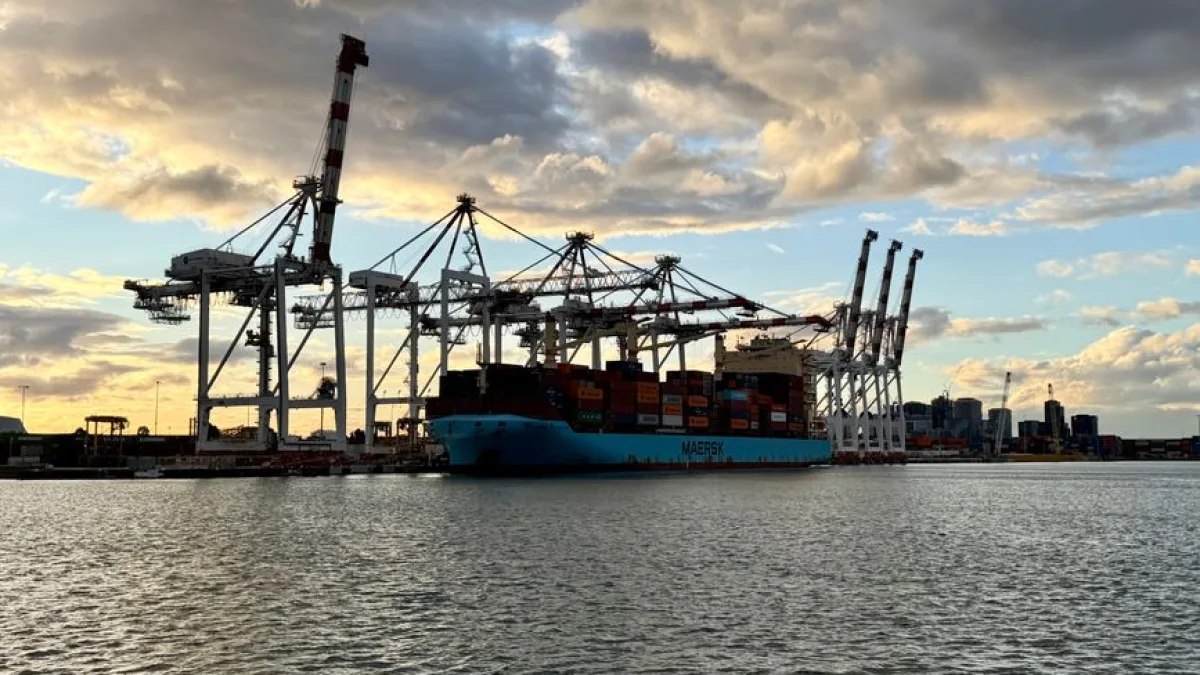
The integration of digital technology is no longer optional for freight forwarders striving for success. By embracing automation, enhancing transparency, ensuring strict compliance, and utilizing data-driven insights, businesses can navigate the complexities of global logistics with confidence. These strategic investments build resilient operations that are ready to meet future challenges. Start streamlining your operations today by choosing the right digital partner for your freight forwarding needs.