Navigating Digital Transformation in Global Freight Forwarding
Friday, September 4 2026

The global logistics landscape is undergoing a massive shift as freight forwarders transition from legacy manual processes to integrated digital ecosystems. As capacity fluctuations and geopolitical tensions create uncertainty, the ability to leverage real-time data has become the primary differentiator for competitive logistics firms. This evolution is not merely about adopting new technology but about fundamentally rethinking how information flows across the supply chain. By embracing cloud-native solutions, forwarders can enhance transparency, improve operational efficiency, and provide their clients with the actionable insights necessary to thrive in an increasingly volatile and fast-paced international trade environment today.
Modernizing Supply Chain Visibility
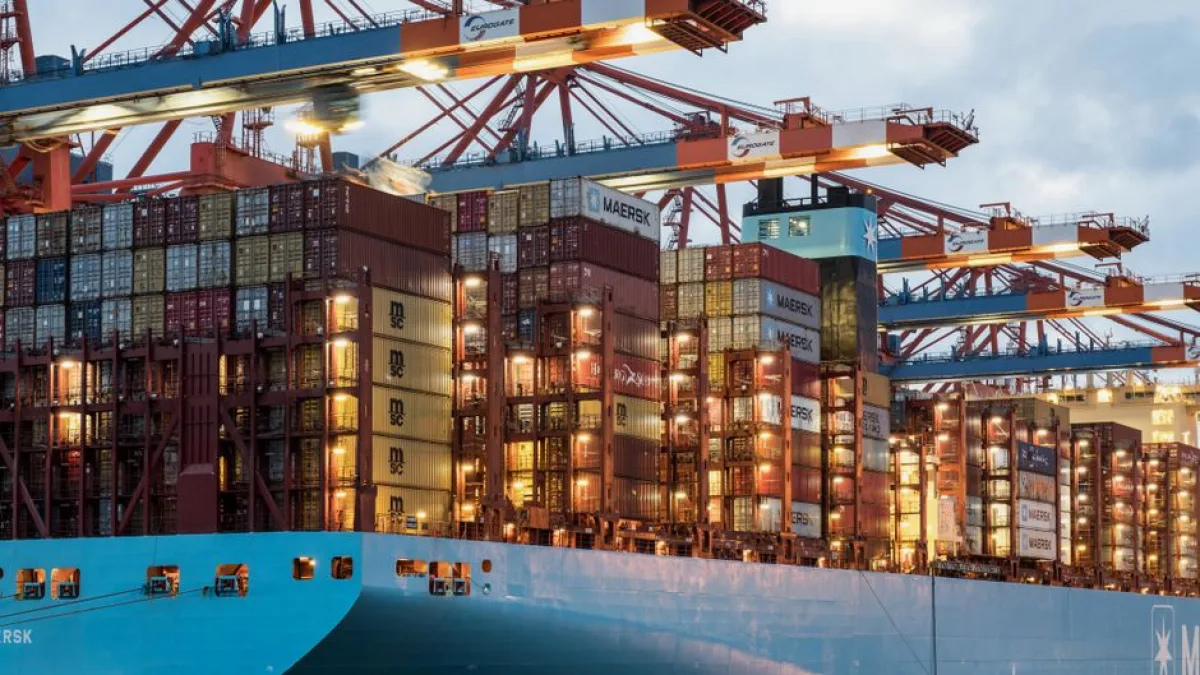
Real-time visibility tools are transforming the way forwarders track assets across the globe. By digitizing tracking data, companies can pinpoint bottlenecks and provide accurate arrival estimates, which is essential for maintaining client trust in an era of complex multimodal logistics networks.
- Automated Tracking Updates: Freight forwarders can now provide clients with live status reports that eliminate manual check-ins and significantly reduce the time spent on repetitive customer service communication tasks.
- Predictive Analytics Tools: Advanced algorithms analyze historical data and current transit conditions to anticipate potential disruptions before they impact the supply chain, allowing for proactive routing adjustments and management.
- Client Portal Access: Providing secure self-service portals empowers customers to monitor their shipments independently, which elevates the overall service experience while simultaneously reducing administrative burdens for your internal team.
- Integrated Documentation Flow: Centralizing documents within a single cloud platform ensures that all stakeholders access the most current versions, preventing costly errors associated with duplicate or outdated paperwork files.
Achieving total visibility requires a concerted effort to integrate disparate systems into a single source of truth. Forwarders that successfully master this digital transparency are better positioned to handle unexpected shifts in the market. By fostering a data-driven culture, firms can shift focus from reactive firefighting to strategic planning, ensuring that they remain ahead of the curve while delivering superior value to their global partners.
The Power of Cloud Operations

Cloud-based freight forwarding software has replaced cumbersome on-premise hardware solutions, offering unprecedented flexibility for remote teams. These platforms enable seamless collaboration across international borders, ensuring that every branch office operates with identical data integrity and standardized operational procedures.
- Seamless Team Collaboration: Cloud infrastructure allows geographically dispersed teams to work on the same shipments simultaneously, fostering faster coordination and more effective communication between local offices and regional hubs.
- Scalable Resource Management: Business leaders can easily adjust their software capabilities based on seasonal demand fluctuations, ensuring that they only pay for the specific tools and capacity they need.
- Enhanced Data Security: Professional cloud providers implement rigorous encryption and regular security updates, which protect sensitive cargo information far better than traditional local servers can typically achieve.
- Automated Software Updates: Leveraging cloud-native technology ensures that your team always uses the latest features and security patches without requiring manual installations or downtime for your company systems.
Adopting cloud operations is essential for forwarders aiming to remain agile in a shifting economic landscape. By reducing dependency on physical office infrastructure, firms can attract top talent regardless of location. This transition enables leadership to focus on high-level strategy and market expansion rather than the maintenance of IT hardware. Ultimately, cloud adoption serves as the foundation for long-term sustainable growth in logistics.
Automation for Operational Efficiency

Automation is the silent engine of modern freight forwarders, handling repetitive tasks like data entry and invoice processing. By removing these mundane responsibilities, staff members can devote their energy to complex problem-solving and nurturing vital client relationships, driving overall profitability.
- Automated Invoicing Workflows: Intelligent software automatically generates and validates invoices, reducing human error and accelerating the payment cycle, which improves cash flow for your business operations and stability.
- Smart Document Parsing: Natural language processing tools extract key data from unstructured documents like bills of lading, automatically populating your digital platform to save hours of manual entry.
- Proactive Milestone Alerts: Automated notifications keep your team informed about critical shipment milestones, ensuring that they can act instantly when intervention is required to avoid delays or costs.
- Workflow Process Mapping: Custom automation sequences standardize operational procedures across the organization, ensuring every shipment follows consistent quality checks and meets all necessary regulatory requirements for global trade.
Embracing automation does not mean removing the human element from your logistics company. Instead, it provides your team with the tools to perform higher-value work that machines cannot replicate. By minimizing time spent on manual data management, your staff can focus on building deeper partnerships with carriers and clients. This strategic balance is what truly enables firms to scale their operations effectively.
Sustainable Logistics and Future Trends

Sustainability is moving from a corporate buzzword to a critical operational requirement. Clients increasingly demand transparency regarding the carbon footprint of their shipments. Forwarders who adopt green technologies and efficient routing strategies will gain a massive competitive advantage in the future.
- Carbon Emission Tracking: Integrated software solutions calculate and report the environmental impact of various transport routes, helping clients make greener decisions regarding their international supply chain network management.
- Optimized Routing Efficiency: Better logistics planning reduces fuel consumption by identifying the most direct routes, which benefits both the bottom line and the total environmental footprint of cargo.
- Digital Freight Management: Eliminating paper-based processes significantly reduces the office waste generated by logistics companies, contributing to broader corporate sustainability goals while streamlining internal administrative record keeping tasks.
- Regulatory Compliance Support: Modern software keeps forwarders updated with changing environmental regulations, ensuring that companies avoid penalties while actively contributing to global efforts for a cleaner transportation industry.
The push for greener logistics is reshaping the priorities of freight forwarders globally. Forward-thinking companies are already integrating emission tracking into their standard service offerings to meet the needs of environmentally conscious shippers. By aligning operational success with sustainability goals, forwarders can demonstrate their commitment to the planet while building stronger brands that resonate with modern consumers and partners in the market.
Conclusion
Digital transformation remains the most critical path forward for freight forwarders striving for long-term success. By embracing visibility, cloud operations, automation, and sustainability, firms can navigate complex global logistics with confidence. Explore how MakeCargo can help streamline your daily operations by scheduling a personalized demonstration of our platform today. Start your journey toward a more efficient, profitable, and tech-driven future in freight forwarding now.