Navigating the Future of Digital Freight Forwarding Efficiency
Saturday, September 5 2026
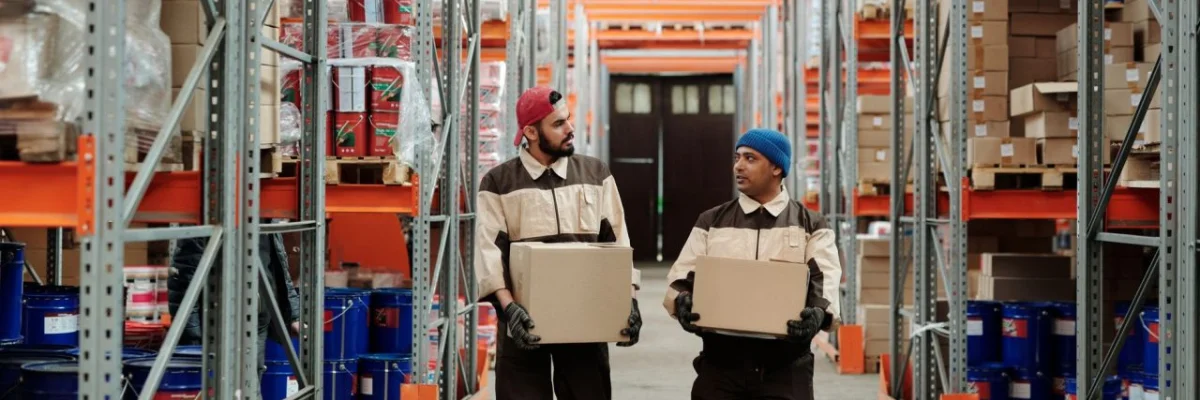
The global logistics landscape is undergoing a profound transformation driven by rapid technological adoption and changing market demands. Freight forwarders are increasingly tasked with managing complex supply chains while maintaining transparency and speed in an unpredictable economic climate. As traditional manual processes give way to automated workflows, forwarders who prioritize digital infrastructure gain a distinct competitive advantage. By leveraging cloud-based platforms, these industry professionals can reduce operational overhead, minimize human errors, and provide superior service to their clients. This evolution signifies a shift from reactive logistics management to a proactive model where data-driven insights power every decision made along the global trade route.
Modernizing Port Operations
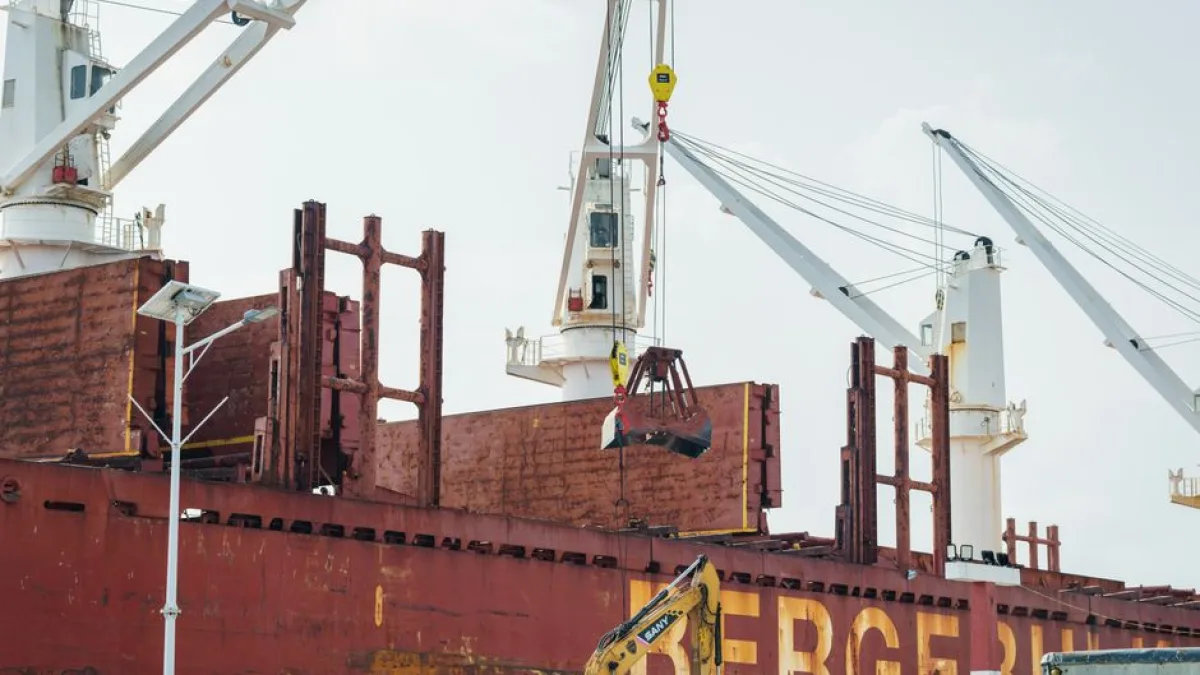
Port terminals serve as the heartbeat of global commerce, acting as vital nodes where technology meets massive physical infrastructure. Modernizing these spaces requires high levels of connectivity to ensure that physical cargo movement aligns perfectly with digital documentation and real time tracking protocols.
- Automated Gate Systems: These advanced technologies reduce processing times for drayage drivers significantly by verifying container details automatically upon arrival which minimizes idling and boosts overall facility throughput and productivity.
- Real Time Visibility: Digital dashboards provide constant updates on container status which allows forwarders to proactively manage potential delays before they impact the final delivery schedules for their customers.
- Smart Terminal Infrastructure: Implementing sensor networks within ports enables better yard management and helps operators identify bottlenecks that currently slow down the transition of goods from vessel to truck.
- Digital Documentation Integration: Eliminating paper based manifest workflows through blockchain or cloud platforms ensures that customs declarations are processed faster and with much higher accuracy than traditional manual methods.
Adopting these technological advancements at the port level creates a ripple effect that improves efficiency across the entire supply chain. As operations become more streamlined, forwarders can offer faster transit times and more reliable service level agreements. Investing in these digital tools is no longer optional for firms that aim to thrive in a high volume trade environment where every single minute of delay counts.
Leveraging Cloud Logistics Software

Cloud software platforms provide the necessary framework for forwarders to centralize their data, enabling seamless collaboration between international offices and partners. This centralized approach ensures that all stakeholders have access to the same information, which reduces communication gaps significantly.
- Unified Data Management: Storing all shipment details in a single cloud database ensures that team members across different time zones remain aligned with current project requirements and milestones.
- Automated Workflow Templates: Pre-configured processes within the software enable teams to execute complex tasks consistently while reducing the administrative burden typically associated with repetitive shipping documentation and billing cycles.
- Client Portal Access: Providing customers with secure login access allows them to track shipments independently which frees up staff time for higher value logistical planning and problem solving.
- Scalable Infrastructure Needs: Cloud solutions grow alongside the freight forwarding company which prevents the need for costly hardware upgrades as the business expands into new international shipping markets.
The transition to cloud-native platforms allows forwarders to break free from the constraints of legacy systems that lack agility. By fostering a digital ecosystem that encourages collaboration, firms can handle higher shipment volumes without proportional increases in staffing costs. This scalability is essential for companies looking to expand their market share while maintaining high standards of customer satisfaction and internal operational excellence.
Enhancing Supply Chain Transparency
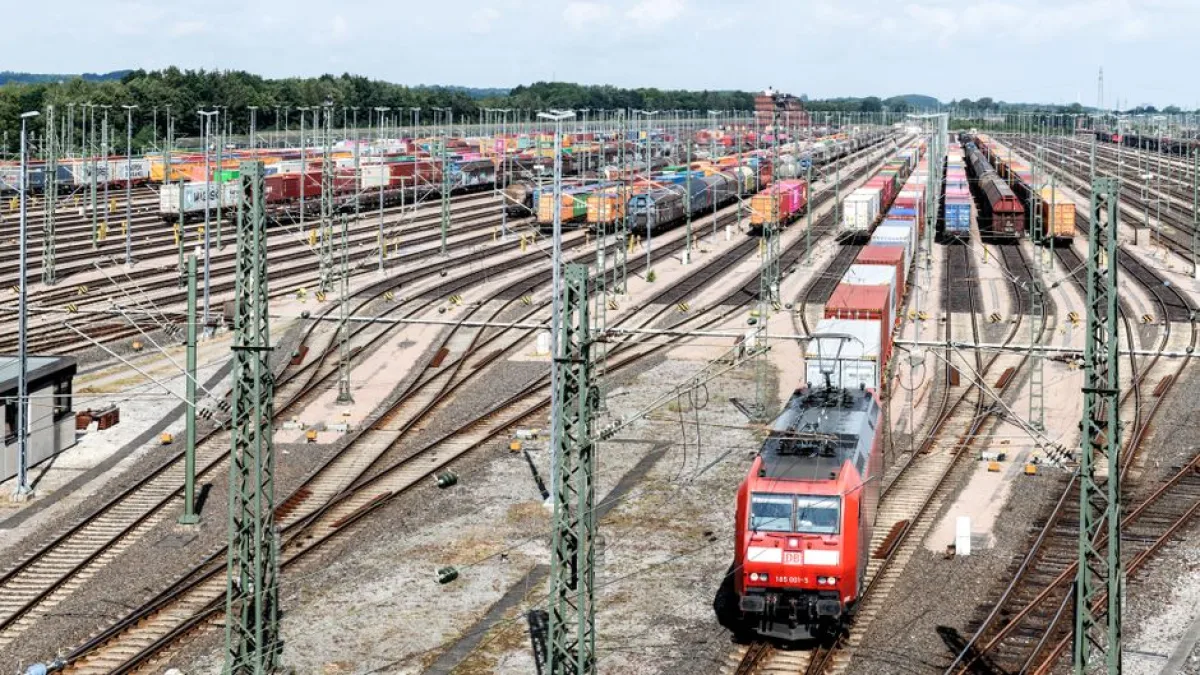
Transparency serves as the cornerstone of trust between freight forwarders and their clients in an era where information is currency. Offering clear visibility into cargo location and status helps build long term partnerships based on reliability and professional accountability.
- Predictive Analytics Tools: Utilizing advanced algorithms helps forwarders forecast potential supply chain disruptions caused by weather or labor strikes, allowing for alternative routing solutions before problems actually occur today.
- Automated Status Alerts: Instant notifications sent via email or mobile applications keep stakeholders informed about shipment progress which reduces the need for constant status check requests and emails.
- Document Digitization Services: Converting physical shipping documents into accessible digital formats ensures that compliance requirements are met swiftly without the risk of lost paperwork or human clerical errors.
- Integrated Tracking APIs: Connecting software platforms with shipping line data streams provides a holistic view of the vessel journey which improves the accuracy of estimated arrival dates.
When freight forwarders provide granular visibility, they empower their clients to make informed inventory decisions that optimize costs and warehouse space. This level of clarity eliminates the anxiety associated with international transit and positions the forwarder as an indispensable strategic partner. Building this transparent environment is the most effective way to foster client loyalty in a very competitive and crowded global market.
Managing Cross Border Compliance

Navigating the intricate maze of international customs regulations requires precision and deep regulatory knowledge. Digital tools now play a critical role in ensuring that all shipments meet government standards without experiencing costly delays at border crossings around the world.
- Automated Regulatory Updates: Software systems that receive real time updates on changing international trade laws ensure that forwarders remain compliant with the latest requirements for every destination country.
- Risk Assessment Tools: Integrated compliance checkers verify shipment documents against restricted party lists and embargo regulations, effectively preventing legal issues or fines during the customs clearance phase abroad.
- Digital Tax Calculation: Automated systems calculate duties and taxes accurately based on the Harmonized System codes, which reduces the likelihood of overpayment or unexpected charges for the end client.
- Standardized Filing Processes: Utilizing pre-defined templates for customs filings ensures that the required data fields are populated correctly every single time, which speeds up the approval process significantly.
Efficiency in compliance is often the deciding factor in how quickly cargo moves across borders. By automating the more tedious aspects of regulatory adherence, forwarders can focus their human expertise on managing complex trade scenarios. This dual approach of technology and professional oversight protects the client from legal risks while ensuring that cargo delivery remains on schedule in every port of entry.
Conclusion

Technological advancement is the primary driver of success in the modern freight forwarding industry. By adopting cloud solutions, enhancing visibility, and automating compliance, forwarders can navigate the complexities of global trade with unprecedented confidence. Embracing these digital innovations today will secure your position as a forward-thinking leader. Contact the MakeCargo team to learn how our platform can help you optimize your logistics operations immediately.