Navigating the Future of Digital Freight Forwarding Efficiency
Wednesday, September 16 2026
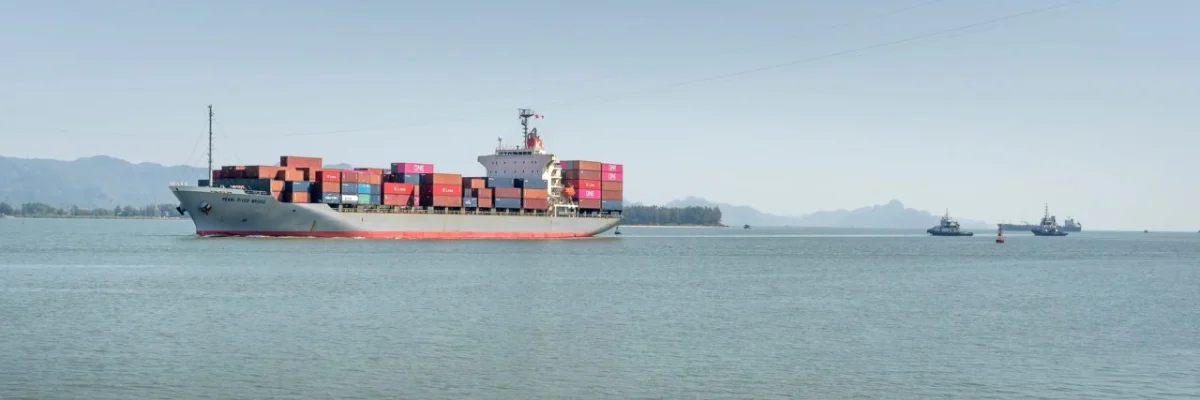
The global logistics landscape is undergoing a profound transformation driven by rapid technological adoption and changing market demands. Freight forwarders are increasingly tasked with managing complex supply chains while maintaining transparency and speed for their clients. Digital solutions have evolved from being optional tools to essential components of business survival in a competitive international market. By leveraging cloud-based platforms and data-driven insights, modern logistics companies can optimize their operations, reduce manual errors, and provide superior service levels that meet the expectations of today's fast-paced digital economy. Embracing this shift is crucial for long-term growth and industry relevance.
Optimizing Port Logistics
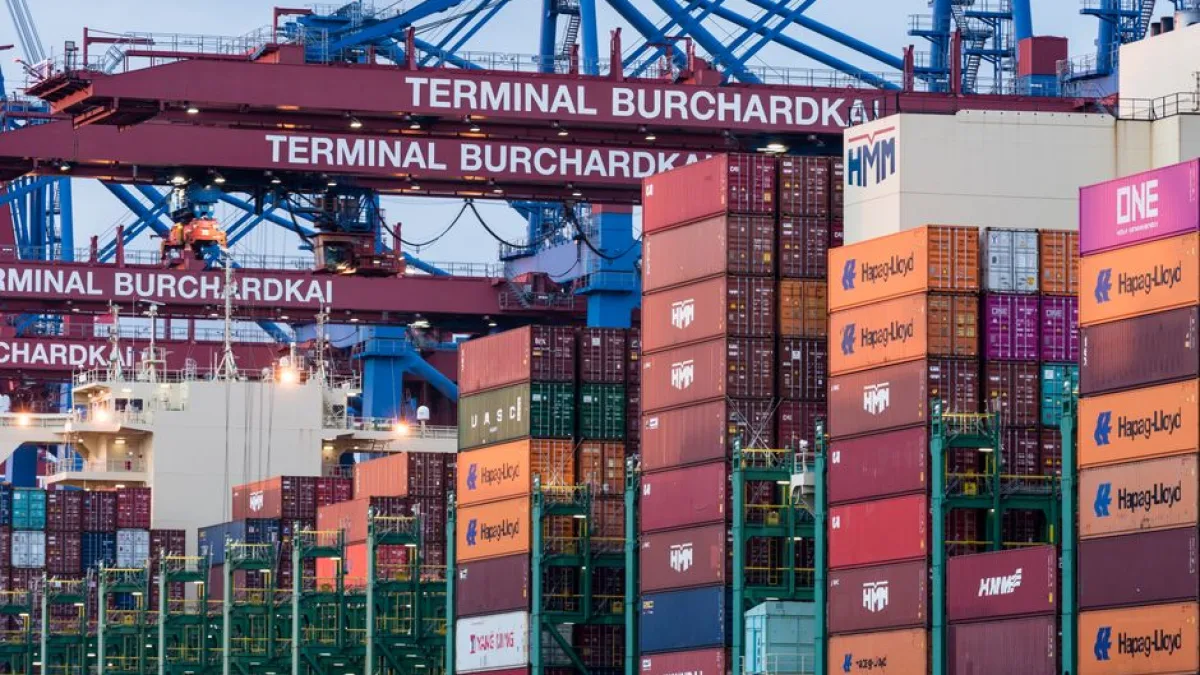
Efficient movement within ports remains the backbone of global trade operations, requiring precise coordination between carriers and landside transport. Digital platforms now provide real-time updates that allow forwarders to mitigate delays before they cascade throughout the entire supply chain network effectively.
- Real-time vessel tracking: Advanced satellite integration allows logistics teams to monitor container positions with pinpoint accuracy, enabling proactive communication with clients regarding expected arrival times and potential port congestion issues.
- Automated gate processes: Implementing digital documentation systems streamlines vehicle entry at terminals, which reduces wait times for drivers and increases the total throughput capacity for busy freight operations daily.
- Data driven scheduling: Analytics tools analyze historical port performance data to suggest optimal departure windows, ensuring that cargo is loaded onto vessels with the highest probability of on-time departure.
- Integrated terminal communication: Seamless digital links between software platforms and port authorities facilitate instant exchange of status updates, removing the need for manual phone calls and endless email chains.
By streamlining port activities through unified digital channels, freight forwarders create a more resilient operational framework. This approach minimizes the impact of unexpected disruptions while enhancing the overall reliability of ocean freight services for shippers. Investing in these technologies ensures that bottlenecks are identified early, allowing for swift corrective actions that maintain the flow of goods and keep trade routes operating at maximum potential.
Digitizing Customs Clearance

Navigating international customs regulations is a major challenge for many forwarders who rely on outdated manual filing methods. Centralized digital portals now simplify document submission and compliance checks, reducing the risk of costly administrative delays during the border crossing process.
- Automated compliance checks: Intelligent software scans every line item in shipment documentation to ensure it meets current regional import requirements, preventing errors that often lead to heavy fines.
- Cloud based filing: Storing all essential clearance documents in a secure cloud environment provides instant access to customs agents, speeding up the verification process for international shipments.
- Electronic tariff calculation: Integrated engines automatically calculate duty and tax obligations based on the latest trade agreements, ensuring that financial estimates provided to clients are always highly accurate.
- Transparent audit trails: Digital logs maintain a comprehensive history of every submission, which proves invaluable for internal record keeping and demonstrates full compliance during formal government audits.
Transitioning away from paper-based filing systems is no longer a luxury but a strategic necessity for modern firms. By automating customs workflows, companies free up their staff to focus on high-value tasks while simultaneously lowering their risk exposure. Consistent compliance management creates a stable environment for trade, allowing forwarders to expand their global reach without the persistent fear of border related administrative hurdles.
Enhancing Shipment Visibility

Visibility has become the most sought after metric for global shippers who demand constant updates on their high-value cargo. Modern cloud platforms provide an end-to-end view of the transport journey, from the initial warehouse pickup to final destination delivery.
- Live tracking dashboards: Client portals offer a dynamic map view of shipments in transit, allowing customers to check status updates independently without contacting a representative for simple status reports.
- Automated status notifications: Smart systems send instant alerts to stakeholders via email or SMS whenever a milestone is achieved, ensuring that everyone stays informed throughout the shipping process.
- Exception management tools: Software identifies anomalies in transit routes automatically, triggering alerts that allow operations teams to intervene quickly before a minor delay turns into a shipment failure.
- Interactive shipment records: Centralized digital files allow all involved parties to attach notes, photos, or secondary documents, creating a single source of truth for every individual order managed.
Providing deep visibility into the freight journey fosters trust and strengthens long-term relationships with clients who demand transparency. When shippers have immediate access to their cargo data, they can better plan their inventory management and reduce safety stock requirements. This digital empowerment serves as a key differentiator, helping forwarders stand out in a crowded market while delivering a truly premium customer experience.
Streamlining Internal Billing

The manual nature of billing often leads to significant revenue leakage and slow payment cycles across the freight forwarding industry. Adopting automated invoicing and payment reconciliation tools ensures that cash flow remains consistent and administrative overhead stays at a minimum.
- Automated invoice generation: Systems pull data directly from shipment files to create accurate invoices, eliminating the manual data entry that often results in billing errors and client disputes.
- Real time payment tracking: Integrated financial modules monitor pending invoices, sending automated reminders to clients to improve overall collection rates and keep accounts receivable in healthy standing daily.
- Digital expense reconciliation: Software automatically matches vendor bills against original freight quotes, identifying discrepancies immediately so that cost management remains tight and overheads are kept strictly under control.
- Seamless financial reporting: Advanced analytics modules generate comprehensive financial summaries, providing leadership teams with the actionable insights required to optimize pricing strategies and grow profitability over time.
Optimizing the back-office through digital automation transforms the financial health of any freight forwarding business. By reducing the time spent on manual accounting tasks, teams can concentrate on expanding their service offerings and improving their operational efficiency. Stronger billing processes support the company's ability to scale rapidly, providing the necessary financial stability to invest in further technological innovations for future competitive success.
Conclusion

The integration of advanced digital tools is essential for any forwarder looking to excel in today's complex global supply chain. By modernizing operations from port management to financial processing, firms can achieve greater efficiency and provide exceptional service. Start your transition today by evaluating your current software capabilities and identifying areas where cloud-based solutions can drive immediate improvements for your company and your valued clients.