Navigating the Future of Digital Freight Forwarding
Wednesday, July 22 2026
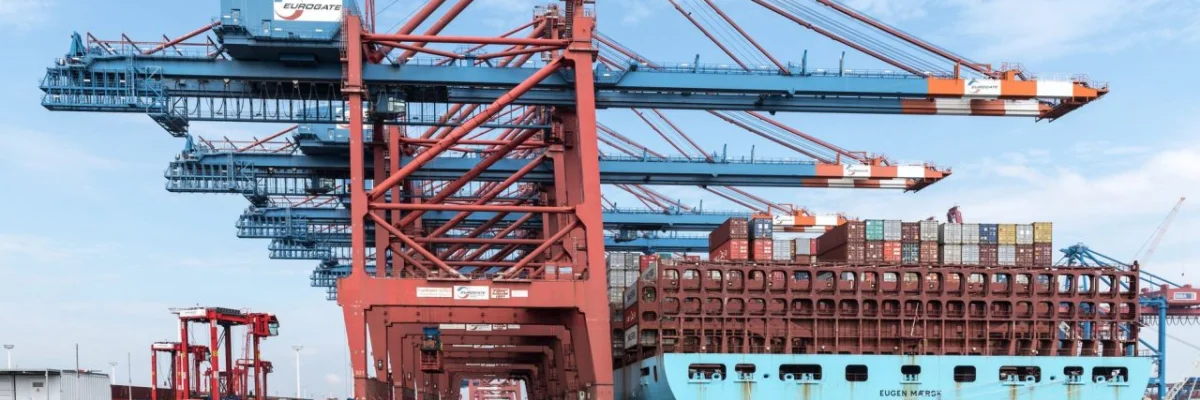
The logistics landscape is undergoing a massive transformation as freight forwarders shift away from manual processes and embrace cloud-based innovation. Global trade volatility and increasing customer expectations for real-time visibility are pushing traditional firms to modernize their infrastructure. Companies that adopt agile software solutions are finding it significantly easier to scale operations and manage complex cross-border documentation. By leveraging automated systems, freight professionals can now focus on building stronger client relationships instead of being buried in tedious paperwork. This digital evolution is no longer an optional upgrade but a core requirement for remaining competitive in today's fast-paced international shipping market environment.
The Rise of Automated Documentation

Manual data entry is a leading cause of operational bottlenecks in modern freight operations. By automating document workflows, forwarders can eliminate human error and ensure that essential shipping paperwork aligns perfectly with international regulatory requirements for smoother border crossings.
- Reducing Operational Delays: Automating document preparation ensures that customs declarations and bills of lading are processed instantly, preventing costly port detention charges and vessel clearance delays for international shipments.
- Enhancing Data Accuracy: Centralized digital platforms remove the risk of transcription errors, ensuring that every shipment detail matches the client request and avoids expensive manual corrections later on.
- Streamlining Compliance Protocols: Modern software automatically updates to match the latest global trade regulations, allowing your team to stay compliant without constant manual research or oversight.
- Faster Invoice Processing: Digitizing invoices allows for immediate verification against shipment milestones, leading to quicker payments and improved cash flow management for your logistics business operations today.
Transitioning to automated document management systems significantly reduces the time your team spends on administrative tasks. By eliminating repetitive manual inputs, you create a more efficient workflow that allows your staff to handle higher shipment volumes with greater ease. This shift not only lowers operational costs but also provides your customers with the rapid, reliable service they demand in the modern freight industry.
Enhancing Real-Time Shipment Visibility
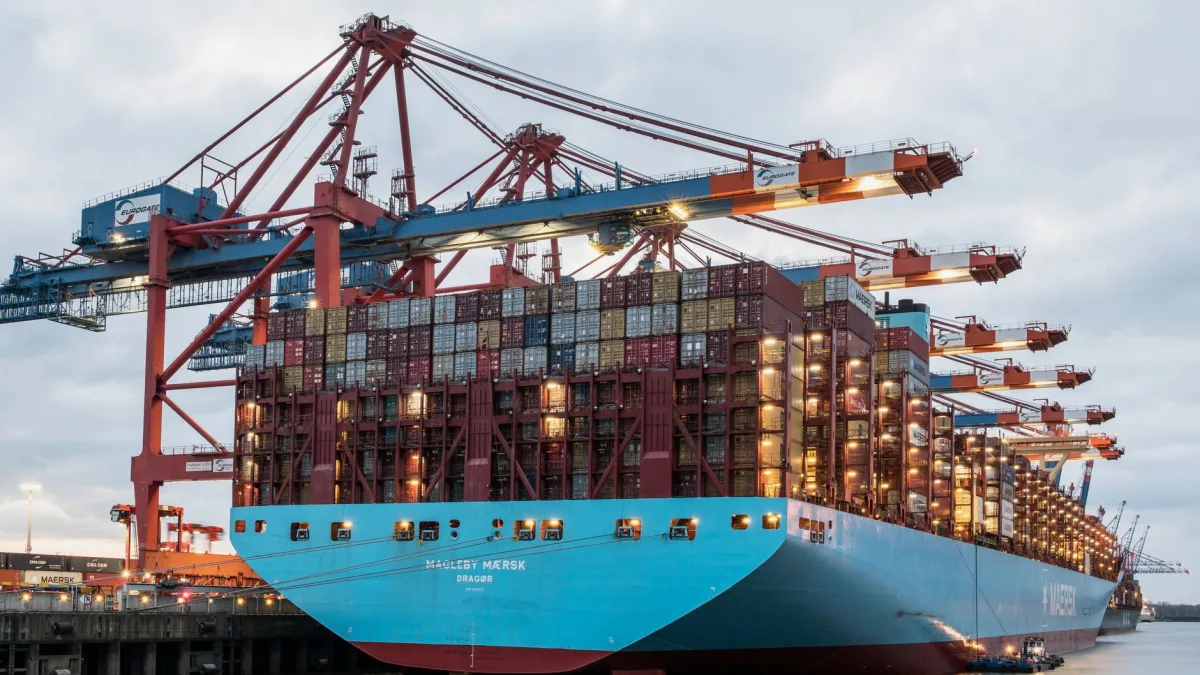
Customers today demand instant updates regarding the location and status of their cargo throughout the entire transit process. Providing transparent tracking data builds long-term trust and differentiates your forwarding services in a very crowded and competitive global marketplace.
- Instant Status Updates: Integration with ocean and air carrier APIs ensures that your platform provides live location data, keeping your clients informed about their cargo in real time.
- Proactive Problem Solving: Real-time monitoring tools help your team detect potential disruptions, such as port congestion or weather delays, before they impact the final delivery schedule for customers.
- Automated Client Notifications: Customizable alerts keep stakeholders updated automatically, reducing the volume of inbound inquiries and freeing up your staff to handle more complex logistical challenges efficiently.
- Centralized Tracking Dashboards: Having a single source of truth for all transit milestones improves internal communication and prevents information silos between your sales and operations departments.
Visibility is the new currency in the freight forwarding world as clients prioritize partners who offer transparency. When you provide reliable tracking data, you effectively reduce the anxiety surrounding long-haul shipping. Investing in robust visibility software ensures that you remain a preferred choice for companies seeking reliable supply chain partners who utilize technology to guarantee consistent service quality and reliability.
Cloud Integration for Global Operations

Cloud computing has revolutionized how freight forwarders collaborate across borders. By hosting data in the cloud, teams can access critical shipment information from any device, anywhere in the world, ensuring that global operations remain synchronized and highly responsive.
- Seamless Team Collaboration: Cloud platforms allow staff across different time zones to update and view shipment data simultaneously, ensuring that everyone remains aligned on project requirements.
- Enhanced Data Security: Leading cloud providers offer advanced encryption and regular backups, protecting your sensitive shipping information from cyber threats and potential hardware failures effectively.
- Scalable Software Infrastructure: Cloud solutions grow alongside your company, allowing you to add new users or features without needing expensive investments in on-site server hardware upgrades.
- Simplified Partner Access: Secure portals grant your partners and vendors controlled access to relevant documents, fostering better cooperation and reducing the need for constant email chains.
Adopting a cloud-first strategy provides your logistics firm with the flexibility needed to handle unexpected market shifts. Remote accessibility ensures that your operations remain uninterrupted even during office closures or travel. By centralizing your global data on a secure cloud platform, you empower your team to make data-driven decisions that improve efficiency and profitability across your entire international freight forwarding network.
Data-Driven Decision Making Strategies

Turning raw shipping data into actionable insights is the hallmark of a successful modern freight forwarder. Utilizing advanced analytics allows managers to identify trends, optimize shipping routes, and negotiate better rates based on historical performance and current market demand patterns.
- Optimizing Carrier Selection: Analytics tools help identify which carriers provide the best service and pricing, allowing you to build a more efficient network of reliable partners.
- Cost Management Analysis: Evaluating historical expenditure data allows you to spot inefficiencies in your current processes and implement strategies to reduce overall shipping and handling costs.
- Trend Forecasting Accuracy: Predictive analytics allow you to anticipate seasonal demand surges, helping you prepare your resources and capacity well in advance of peak season requirements.
- Performance Benchmarking Success: Regularly tracking key performance indicators allows you to measure your operational success against industry standards and set ambitious goals for future growth targets.
Data analytics transforms your logistics business from a reactive operation into a proactive power player. By studying the patterns within your shipping history, you can uncover hidden opportunities to save money and improve service speed. Making decisions based on accurate data rather than intuition provides a sustainable competitive advantage that keeps your logistics firm at the forefront of the industry today.
Conclusion

The freight forwarding industry is evolving rapidly toward a digital-first future where efficiency and transparency are the primary drivers of success. By automating your documentation, embracing cloud connectivity, and utilizing data-driven insights, you position your firm to thrive. Start your digital transformation today to improve your operational margins and provide the high-quality, reliable service that your global clients truly expect.