Navigating the Future of Digital Freight Forwarding
Thursday, July 23 2026

The global logistics landscape is undergoing a profound transformation driven by rapid technological adoption and changing market demands. Freight forwarders are increasingly tasked with managing complex supply chains while maintaining transparency and speed in an unpredictable environment. At MakeCargo, we observe how cloud-based platforms empower businesses to overcome traditional bottlenecks by digitizing documentation and enhancing communication across borders. By integrating advanced software solutions, logistics providers can effectively scale operations and deliver superior service to their clients. This evolution is not just an upgrade but a fundamental requirement for staying competitive in the modern international trade arena today.
Embracing Automation for Efficiency
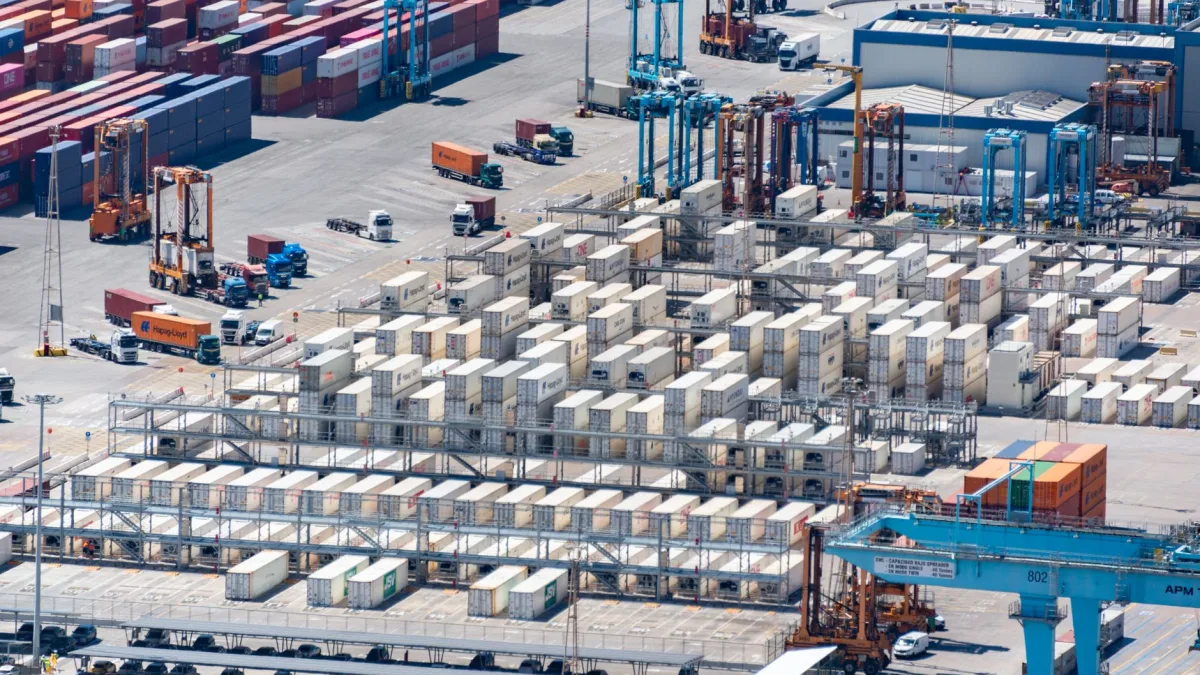
Automation serves as the backbone for modern logistics operations by removing repetitive manual tasks from daily workflows. By shifting to automated data entry and documentation, companies save countless hours and significantly reduce the likelihood of costly human errors during critical processing.
- Reducing manual entry: Automated document processing platforms eliminate the need for manual data typing which saves teams hours every day and prevents common transcription errors in shipping bills and invoices.
- Streamlining compliance tasks: Modern software automatically updates customs regulations and tariff codes ensuring that your documentation is always accurate and compliant with the latest international trade legal requirements and standards.
- Accelerating communication flows: Integrated systems provide real-time updates to all stakeholders simultaneously ensuring that shippers and carriers stay aligned on the status of cargo throughout the transit process.
- Optimizing resource allocation: Intelligent scheduling tools allow freight managers to assign tasks based on employee availability and skill sets which leads to a more balanced and productive office environment.
Adopting these automated systems allows freight forwarders to shift their focus from administrative burdens to strategic growth. When software manages the routine data tasks, your professional team gains the capacity to solve complex logistical challenges and build stronger client relationships. This efficiency boost is the primary driver for long-term sustainability and profitability in an industry that demands consistent performance under pressure.
Enhancing Real-time Shipment Visibility

Providing clients with accurate shipment tracking has transitioned from a value added service to an industry standard requirement. Cloud platforms now offer live data streams that keep everyone informed about exact cargo locations during every phase of the journey.
- Providing live updates: Advanced tracking portals offer clients instant visibility into cargo status which reduces the volume of status inquiries handled by your customer service support teams daily.
- Predictive delay warnings: Systems analyze weather and port traffic data to forecast potential delays before they impact your schedule allowing proactive communication with the end customer regarding arrival.
- Unified data dashboards: Centralized platforms consolidate information from multiple carriers and agents into one easy interface so that your staff can access critical details within a single screen.
- Building customer trust: Sharing granular transit details via automated notifications fosters transparency and helps your company stand out as a reliable partner in a crowded and competitive freight market.
Transparency is the foundation of modern client trust and operational accountability in shipping. When you provide stakeholders with accurate and current visibility, you minimize the uncertainty that often plagues international logistics. This level of clarity helps prevent disputes and enhances the overall customer experience by ensuring that everyone involved has the information they need to manage their own supply chains effectively.
Scaling Operations with Cloud Platforms

Moving infrastructure to the cloud provides the agility required to expand your service reach without the need for physical hardware investments. This flexibility ensures that your business remains resilient regardless of where your team members are located globally.
- Remote team access: Cloud-based software enables employees to work securely from any location globally which provides flexibility for your workforce and improves overall recruitment and retention of talent.
- Secure data storage: Robust cloud environments protect sensitive shipping information through advanced encryption and regular automated backups that prevent data loss during unexpected technical failures or cyber incidents.
- Seamless software updates: System upgrades are deployed instantly by the software provider ensuring that your firm always uses the most current features and security protocols without manual patches.
- Dynamic account scaling: Cloud platforms allow you to adjust user access and storage needs based on seasonal shipping volumes ensuring you only pay for the capacity you use.
Cloud adoption represents a strategic leap toward operational excellence for forwarders looking to grow their market share. By removing the technical debt of legacy software, firms can innovate faster and adapt to changing trade routes with ease. This scalable model supports sustainable growth and positions your company to handle fluctuations in global demand with consistent quality and professional standards of service.
Integrating Data for Smarter Decisions

Data is the most valuable asset for a freight forwarder looking to optimize profit margins and identify hidden inefficiencies. Analytics tools transform raw numbers into actionable insights that guide your company toward more profitable shipping strategies and long-term success.
- Analyzing shipping costs: Analytical reporting helps identify which trade lanes or carriers are most cost effective and enables you to negotiate better rates based on historical volume data.
- Identifying bottleneck trends: Data visualization tools reveal recurring delays at specific ports or with specific vendors allowing you to refine your operations and select better logistics partners.
- Optimizing profit margins: Detailed financial dashboards track your overhead versus revenue in real time so you can adjust your pricing strategy to remain competitive while maintaining healthy margins.
- Strategic forecasting tools: Advanced analytics software uses past shipping volume to predict future demand cycles helping your team prepare resources and space well ahead of peak seasons.
Leveraging business intelligence transforms daily operations from reactive tasks into proactive management strategies. When management has a clear view of performance metrics, they can make decisions that optimize every aspect of the freight cycle. Investing in data-driven tools ensures that your organization remains ahead of the curve and capable of navigating the complex variables that define the global logistics industry.
Conclusion
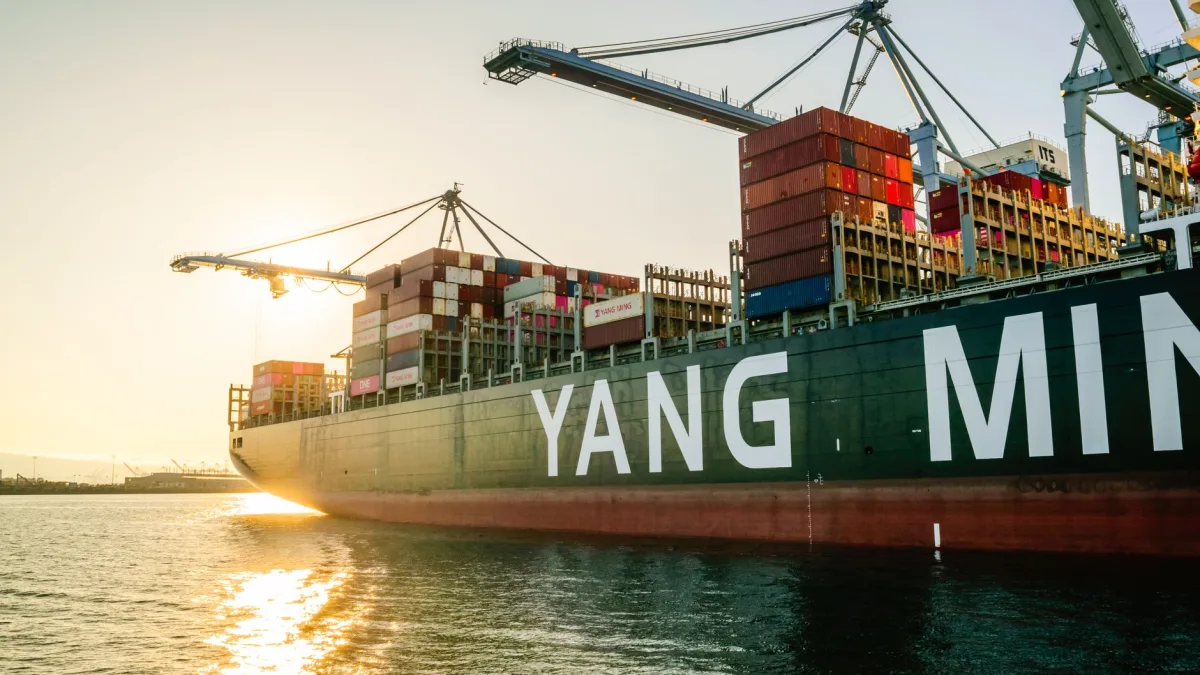
Digital transformation is the essential pathway for freight forwarders to achieve growth in today's rapid market. By integrating automation, real-time visibility, cloud scalability, and advanced data analytics, your firm can elevate its service standards significantly. Start your journey toward a more efficient future today by exploring modern software solutions designed specifically for your needs. Stay competitive and build a stronger foundation for global logistics excellence.