Navigating the Future of Digital Freight Forwarding
Friday, July 24 2026

The global logistics landscape is undergoing a profound transformation as technology reshapes traditional shipping workflows. Freight forwarders are increasingly tasked with balancing volatile market conditions against the urgent need for digital infrastructure upgrades. While legacy processes often rely on manual data entry and fragmented communication, forward-thinking agencies are adopting cloud-based platforms to enhance visibility and operational speed. This shift is not merely a trend but a fundamental requirement for survival in a highly competitive sector. By leveraging modern automation tools, firms can better anticipate supply chain bottlenecks while simultaneously providing superior service levels to their clients in an era of high expectations.
The Rise of Automated Documentation

Automated documentation software transforms how logistics firms manage complex shipments by removing repetitive tasks. When data flows seamlessly between systems, the risk of human error drops significantly, ensuring that critical documents are compliant with international trade regulations at every step.
- Eliminating manual entry: Digital platforms capture data directly from emails and PDFs, reducing the administrative burden on your staff while ensuring that every shipment detail remains accurate and perfectly synced.
- Standardized data protocols: Adopting universal standards for documentation allows your team to communicate effectively with customs brokers, carriers, and shippers without wasting time on formatting or data translation issues.
- Cloud based accessibility: Keeping all essential shipping documents in one secure, cloud based repository allows your team to access vital information from any location at any time of day.
- Real time validation: Automated systems check for missing information or format errors before a document is submitted, preventing costly delays at border crossings and busy international ports of entry.
- Compliance tracking updates: Modern software solutions provide automatic updates regarding changes in international trade law to ensure that every shipment handled by your firm remains strictly compliant and safe.
Transitioning away from physical files allows your organization to function with greater agility and confidence. By automating the mundane aspects of documentation, you free up your skilled workforce to focus on high value tasks like relationship management and strategic growth. This evolution is the primary driver of operational efficiency, allowing forwarders to manage larger volumes of cargo without needing to increase their headcounts significantly.
Enhancing Supply Chain Visibility
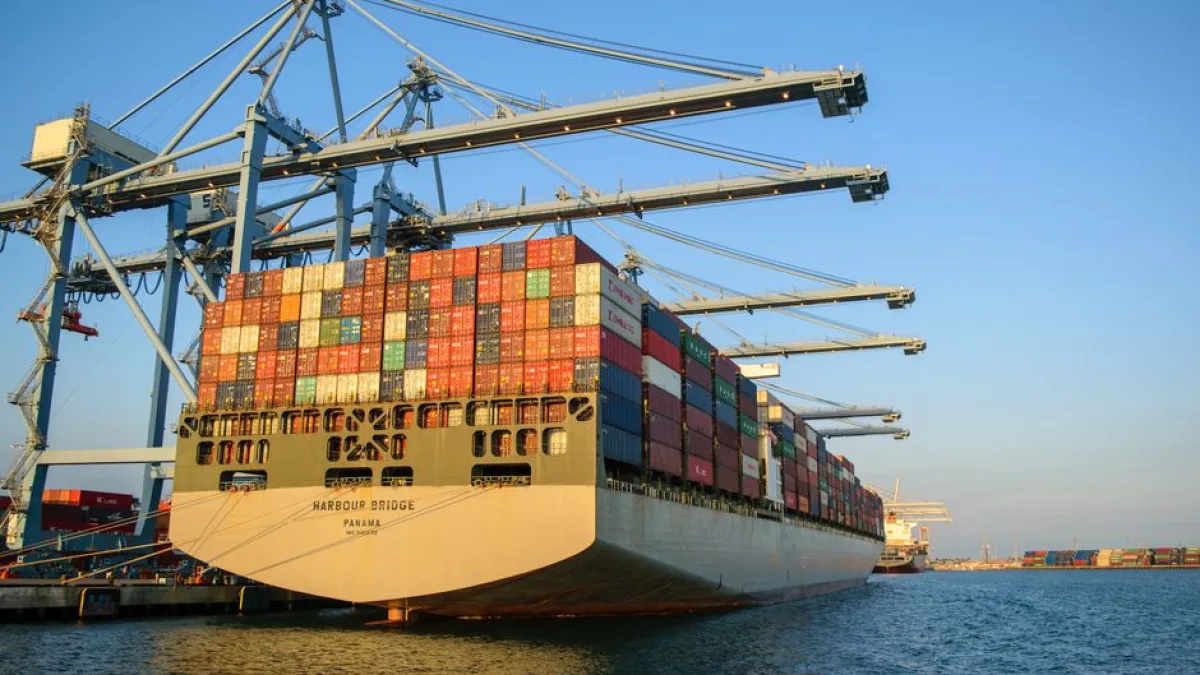
Real time tracking is now a non negotiable requirement for modern freight customers who demand total transparency. Advanced digital platforms offer deep insights into cargo movement, effectively reducing uncertainty and allowing managers to make proactive decisions based on live data.
- Integrated tracking APIs: Connecting your internal software to carrier tracking systems provides instant updates on location, ensuring you have accurate data to share with clients during transit delays.
- Predictive delay alerts: Smart systems monitor weather patterns and port congestion to warn your operations team before a problem occurs, allowing for swift rerouting to meet tight delivery deadlines.
- Client portal access: Providing your customers with a secure portal to view their shipment status fosters trust and drastically reduces the volume of repetitive status update phone calls.
- Multi modal transparency: Managing air, sea, and land logistics through a single interface gives you a bird eye view of every shipment regardless of the transportation method used today.
- Data driven insights: Aggregating historical shipment data allows you to identify recurring bottlenecks or inefficient carriers, helping you refine your operations for a better bottom line performance overall.
Visibility serves as the bedrock of modern customer satisfaction within the freight forwarding industry. When clients can monitor their goods through every stage of the journey, they feel more secure and appreciative of the services provided. By investing in these robust visibility tools, forwarders differentiate their value proposition from competitors who still rely on delayed updates and fragmented information streams for their clients.
Optimizing Logistics Financial Operations

Financial management within freight forwarding requires precision and speed to maintain healthy cash flow. Modern cloud software integrates billing and accounting directly with shipment operations, ensuring that every invoice is generated instantly and accurately upon the completion of a transport milestone.
- Instant invoicing cycles: Generating invoices immediately after proof of delivery ensures that your company receives payments faster, improving your liquidity and supporting ongoing operational and infrastructure investments.
- Automated cost allocation: Tracking profit margins on every single shipment is easier when expenses like port fees and carrier costs are automatically attributed to the correct file reference.
- Currency conversion tools: Managing international payments across multiple currencies is simplified through integrated software that applies real time exchange rates to all your foreign invoices and expense reports.
- Audit ready reporting: Maintaining a clear digital audit trail for every transaction makes your accounting department much more efficient and reduces the stress associated with periodic external financial reviews.
- Vendor payment management: Scheduling payments to carriers and contractors through a central system prevents late fees and helps maintain strong partnerships with your most critical logistics service providers.
Effective financial oversight is vital for sustained profitability in the volatile world of global trade. By centralizing your billing and payment systems, you create a scalable framework that supports growth without introducing unnecessary complexity. This digital approach to accounting not only reduces the risk of error but also provides the clear financial data necessary for making informed executive decisions about the future.
Adapting to Market Volatility

Market fluctuations are a constant reality for freight forwarders who must navigate changing fuel prices and shifting trade routes. A flexible digital platform acts as a shock absorber, enabling teams to pivot quickly and adjust their planning strategies to mitigate the impact of unforeseen global logistics events.
- Dynamic route planning: Software platforms allow users to simulate different shipping routes and cost scenarios rapidly, helping you find the most efficient path despite global supply chain disruptions.
- Carrier performance metrics: Monitoring carrier reliability data helps you shift volumes to more dependable partners when market capacity tightens or when specific trade lanes face severe congestion issues.
- Collaborative communication tools: Using integrated chat functions within shipment files ensures that all internal team members remain aligned during high pressure scenarios that require immediate operational adjustments today.
- Scalable infrastructure capacity: Cloud solutions allow your firm to scale resources up or down based on current shipping volumes, ensuring that you only pay for the digital tools needed.
- Risk management dashboards: High level views of your entire operation highlight potential hazards, allowing managers to implement preemptive strategies that safeguard cargo and maintain delivery timelines for customers.
Resilience is built by those who embrace technology to overcome uncertainty. When you equip your team with the right software tools, you transform the challenges of a volatile market into a strategic advantage. By prioritizing digital agility, your freight forwarding company can continue to thrive despite the shifting tides of international trade, ensuring long term stability for your business and your valued partners.
Conclusion
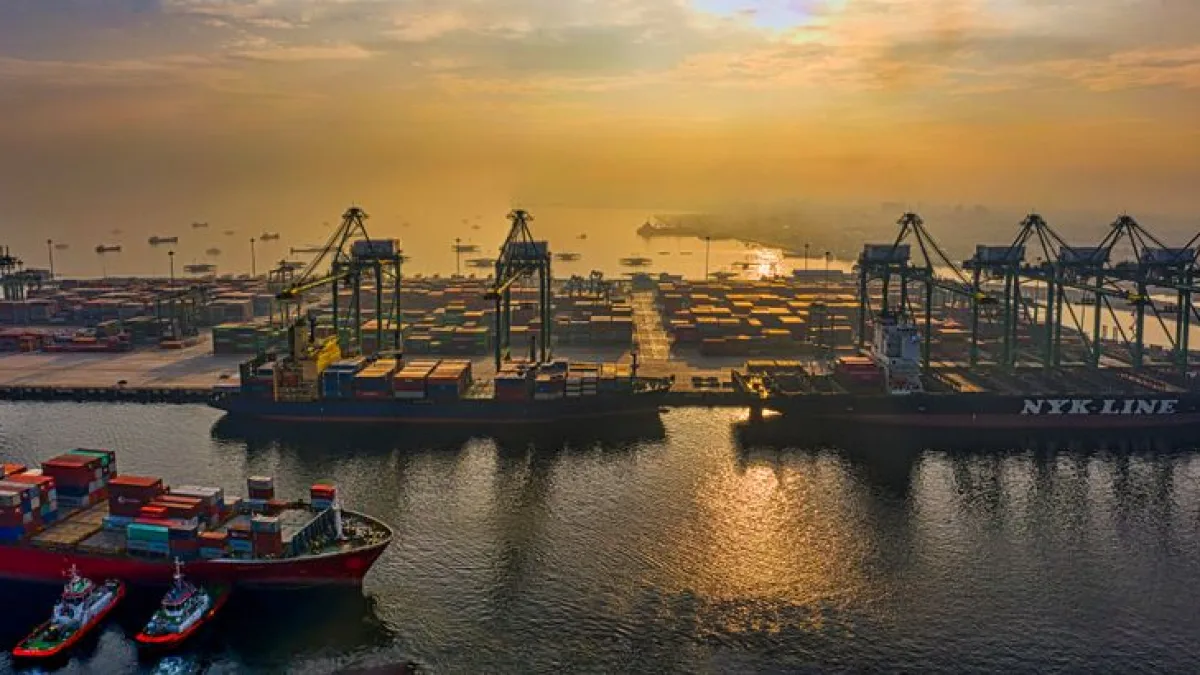
Future proofing your logistics business requires a commitment to digital transformation and continuous process improvement. By integrating cloud based platforms, you enhance your visibility, financial control, and adaptability in a complex global market. Successful freight forwarders will be those who leverage these tools to drive efficiency and deliver exceptional service. Start your journey toward a more connected and profitable future today.