Navigating the Future of Digital Freight Forwarding
Saturday, July 25 2026

The global logistics landscape is undergoing a profound transformation as technology reshapes traditional shipping workflows. Freight forwarders are increasingly moving away from legacy paper-based systems to integrated cloud platforms that offer real-time visibility and automated documentation. This shift is not merely about staying competitive but about survival in an era where shippers demand transparency and speed at every stage of the supply chain. As we look at the current market trends, understanding how to leverage data-driven insights and automated workflows will define the winners in this fast-paced industry during the coming decade.
Embracing Cloud Integration

Cloud infrastructure serves as the backbone for modern shipping operations, allowing teams to collaborate across borders instantly. By moving data to a centralized digital hub, forwarders reduce communication errors and ensure that every stakeholder has access to the latest shipment details.
- Seamless data connectivity: Cloud-based systems link your warehouse, carrier, and client portals into one unified source, ensuring that information remains consistent and accessible from anywhere in the world.
- Enhanced operational security: Modern digital platforms provide robust encryption and automated backups, protecting your sensitive shipping data from cyber threats while ensuring compliance with international logistics privacy standards.
- Automated routine tasks: By integrating cloud software, teams can automate repetitive administrative duties like data entry, which frees up valuable time for staff to focus on solving complex.
- Scalability for growth: Digital infrastructure allows your business to scale operations rapidly by adding new users or modules without the need for expensive hardware upgrades or physical server maintenance.
Adopting a cloud-first strategy provides the agility needed to respond to sudden market fluctuations effectively. When teams can access accurate, live information from any device, they make faster decisions that improve bottom lines. Forwarders who prioritize these digital upgrades will find themselves better positioned to handle unexpected supply chain bottlenecks, providing superior service to clients who rely on precise, real-time shipment updates every day.
Streamlining Documentation Workflows

The digitization of shipping documents replaces manual filing systems with automated processing tools. By utilizing smart software to handle bills of lading and invoices, freight professionals can significantly reduce the potential for costly human errors during the busy customs clearance phase.
- Instant document generation: Advanced software tools allow forwarders to create professional shipping documents with a few clicks, significantly reducing the time spent on manual data entry and formatting.
- Simplified document sharing: Digital portals enable secure sharing of bills of lading and commercial invoices with clients or customs agents, eliminating the need for slow, risky email attachments.
- Automated error detection: Built-in validation tools scan your documents for common mistakes or missing fields, ensuring that your paperwork meets the exact standards required for international regulatory compliance.
- Centralized document repository: Storing all shipping files in a secure cloud database ensures that your team can retrieve important historical data in seconds rather than searching through folders.
Efficient documentation management is the key to faster customs processing and reduced port detention fees. When documents move through a digital pipeline, the administrative burden on your staff drops significantly, leading to higher morale and fewer project delays. Investing in these automation tools ensures that your forwarding business remains accurate and compliant, building deeper trust with shippers who demand perfect document accuracy.
Real-Time Shipment Visibility

Providing clients with live tracking capabilities has evolved from a premium offering into an absolute baseline requirement. Modern freight platforms utilize GPS and API integrations to offer transparent, minute-by-minute updates that keep shippers informed about their cargo status across all global ports.
- Live tracking updates: Integrating carrier APIs ensures your customers receive automatic notifications about their cargo movement, significantly reducing the volume of inbound status inquiry calls to your office.
- Proactive exception management: Advanced software identifies potential delays before they escalate, allowing your team to inform clients and arrange alternative transit routes well before major problems occur.
- Transparent client portals: Dedicated customer dashboards empower shippers to check their cargo status, view documentation, and monitor costs without needing to contact your support staff directly.
- Optimized transit routes: Real-time data feeds help your operations team analyze traffic patterns and port congestion, enabling smarter planning for future shipments to avoid typical regional delays.
Visibility serves as the ultimate competitive advantage for forwarders operating in today's unpredictable environment. When shippers can track their freight in real time, they gain confidence in your service and are more likely to commit to long-term partnerships. Providing this transparency turns logistics from a simple transactional service into a high-value asset, securing your position as an essential partner in global commerce.
Optimizing Financial Performance
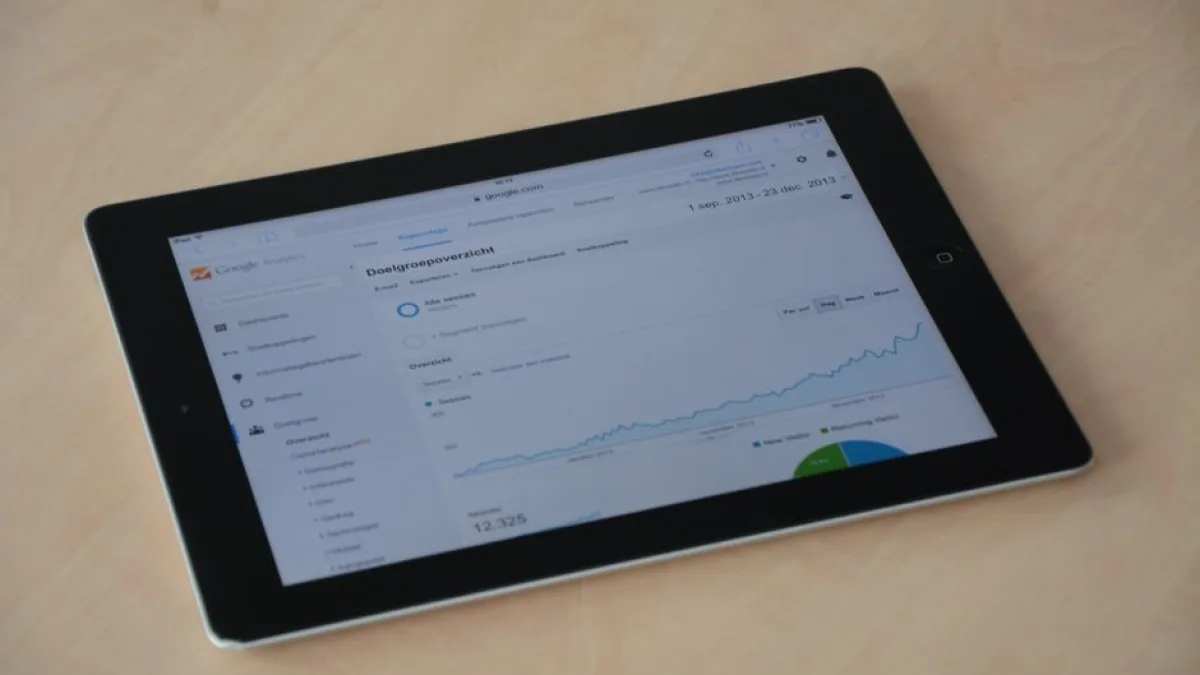
Managing cash flow and profitability in freight forwarding requires precise tracking of costs against revenue for every shipment. Digital financial tools integrated into your operations software provide the granular data necessary to make informed pricing decisions and improve your overall bottom line.
- Automated billing cycles: Software systems generate accurate invoices the moment a job is marked as complete, significantly reducing the time between delivery and receiving payment from your clients.
- Detailed cost analysis: Integrated accounting modules track expenses like port fees and inland trucking, helping you identify which routes or shipping services offer the highest net margins.
- Efficient currency management: Advanced platforms handle multiple currencies automatically, preventing errors during international transactions and protecting your margins against sudden fluctuations in the global foreign exchange market.
- Streamlined accounts payable: Automating the reconciliation of carrier invoices helps you avoid late fees and provides clear visibility into your outgoing cash flow for better monthly reporting.
Strong financial oversight allows your business to reinvest in growth and talent acquisition. By moving away from manual accounting spreadsheets, you gain a clear view of where your money is going and where you can find extra profit. Forwarders who master these fiscal tools are much better prepared to handle seasonal volatility, ensuring that their operation stays profitable during quiet market cycles.
Conclusion

Technology remains the most important driver for success in the modern logistics sector. By adopting integrated software, forwarders can enhance visibility, simplify complex documentation, and improve their financial accuracy simultaneously. Start your digital transformation today to secure long-term growth and better satisfy your global client base. Stay ahead of market demands by utilizing the right tools to build a more resilient shipping future.