Navigating the Future of Digital Freight Forwarding
Saturday, July 25 2026

The global logistics landscape is undergoing a profound transformation as technology reshapes traditional shipping workflows. Freight forwarders are increasingly moving away from manual spreadsheets to integrated cloud platforms to maintain a competitive edge. This shift is not merely about digitizing records but about creating a transparent, real-time ecosystem that connects stakeholders across continents. As volatility remains a constant factor in international trade, the ability to pivot through data-driven insights becomes a critical differentiator. Professionals must adapt to these rapid advancements to ensure operational resilience and meet the rising expectations of modern shippers who demand seamless visibility at every stage of the journey.
Embracing Cloud Integration
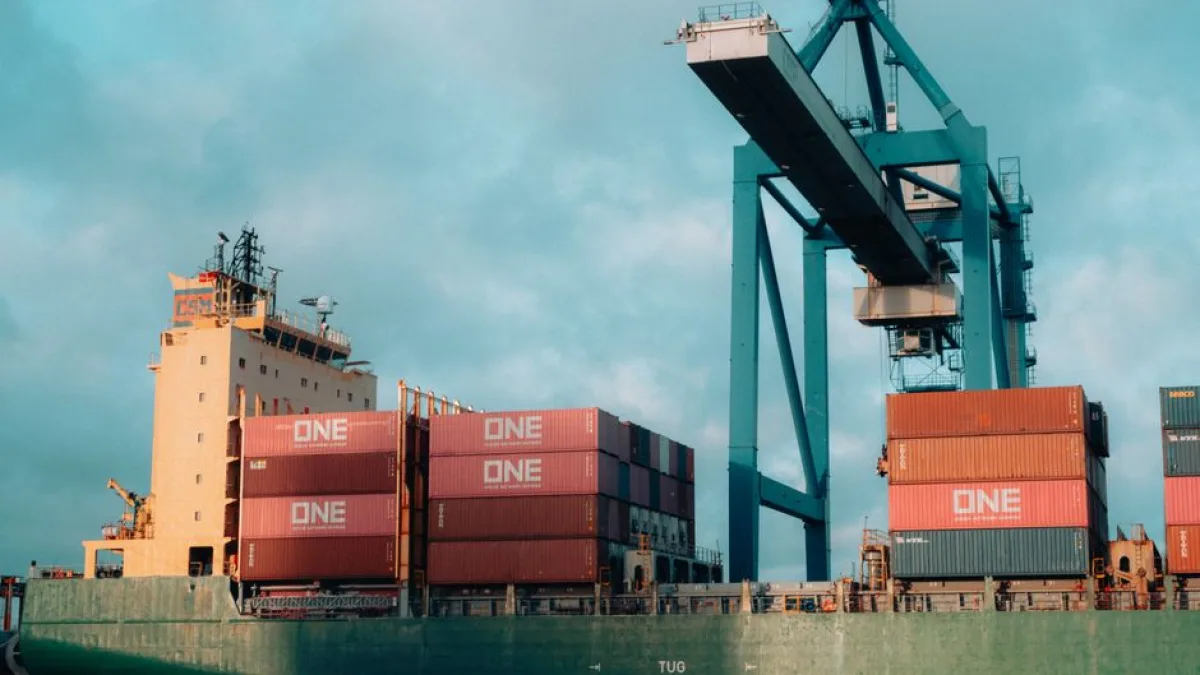
Transitioning to cloud-based systems allows teams to access critical documentation from anywhere in the world. This digital backbone supports faster communication and reduces the reliance on fragmented legacy software, leading to a much more efficient and synchronized workflow for global teams.
- Real time connectivity: Cloud platforms enable instant data synchronization between your office, carriers, and clients to ensure everyone views the same updated shipment status without any frustrating communication delays.
- Reduced manual entry: Automated systems eliminate the repetitive task of typing data into multiple files, which significantly decreases the likelihood of human error during complex international shipping processes.
- Secure document storage: Keeping your essential shipping documents in an encrypted cloud environment protects sensitive client data from physical loss while ensuring easy access for authorized team members.
- Scalable infrastructure growth: Your software capacity grows alongside your business needs, allowing you to add new users or regions without the burden of maintaining expensive local hardware infrastructure.
- Cost effective operations: Minimizing physical office requirements while maximizing digital output helps companies lower overhead expenses and redirect those saved resources toward further innovation and strategic growth initiatives.
Adopting these cloud solutions transforms the way freight forwarders handle daily tasks by eliminating bottlenecks. By centralizing information, your team can focus on complex problem solving rather than chasing paperwork. This strategic shift not only improves internal productivity but also enhances the overall service experience for your clients. As you streamline these internal processes, you position your firm as a leader in reliable, high-tech logistics services.
Leveraging Advanced Data Analytics

Data is the lifeblood of modern logistics, providing the foresight needed to make informed decisions. By analyzing trends and performance metrics, forwarders can proactively manage risks and optimize routes, ultimately saving time and resources during every single shipment cycle.
- Predictive shipment tracking: Advanced analytics software processes historical data to predict potential delays, allowing you to inform your clients before issues escalate into serious problems for their cargo.
- Performance benchmarking tools: Comparing your current transit times against industry standards helps you identify specific areas where your logistics operations could be improved for better overall efficiency.
- Resource allocation insight: Detailed reports show exactly where your staff spends the most time, enabling you to redistribute labor hours to high-value tasks that drive revenue.
- Customized client reporting: Generating automated, branded reports for your customers builds trust and demonstrates the value your firm adds to their supply chain management process daily.
- Financial forecasting capabilities: Accurate data modeling helps you plan for future market shifts by analyzing your historical profit margins and cost structures for various shipping lanes.
Mastering data analytics is no longer optional for professionals aiming to scale their operations effectively. When you utilize the right insights, you move from a reactive posture to a proactive strategy. This level of professional intelligence allows your firm to provide precise delivery estimates and better support for complex supply chains, which fosters long-term loyalty and attracts new high-value client partnerships.
Enhancing Operational Transparency

Modern clients demand full visibility from origin to destination to ensure peace of mind. Providing transparent tracking and proactive status updates is the most effective way to distinguish your freight forwarding services in a very crowded and competitive global market.
- Automated status alerts: Configure your system to send automatic updates to customers, reducing the volume of inbound inquiries while keeping them informed about every milestone their cargo hits.
- Interactive client portals: A dedicated dashboard allows customers to view their shipping status, invoices, and documents independently, creating a convenient self-service experience that everyone truly appreciates today.
- Integrated carrier tracking: Syncing your platform with carrier APIs provides a single source of truth for location data, preventing the need to visit multiple different carrier websites constantly.
- Exception management workflows: Systems that flag anomalies immediately help your team address issues before they cause major disruptions, ensuring that you maintain consistent service levels regardless of external.
- Unified communication logs: Keeping every email and note attached to the specific shipment file ensures that any team member can pick up the conversation at any moment.
Transparency acts as a powerful bridge between you and your customers. By making information easily accessible, you reduce the anxiety typically associated with international shipping. This openness builds a professional reputation based on accountability and reliability. As you integrate these tools into your daily routine, you will find that clients are more satisfied, leading to increased retention rates and stronger business relationships.
Preparing for Future Trends

The industry is moving toward greater automation and artificial intelligence to handle increasing cargo volumes. Staying informed about these emerging technologies ensures that your freight forwarding firm stays relevant while scaling for future growth in an increasingly volatile global economy.
- Artificial intelligence adoption: AI tools help automate complex document processing tasks like customs filing, which frees your expert team to focus on high-level strategy and client relationship management.
- Sustainable logistics focus: Track your carbon emissions data to provide green shipping options to clients, meeting the growing global demand for environmentally responsible and transparent supply chain practices.
- Regulatory compliance automation: Keeping up with changing international trade laws is easier when your software automatically updates filing requirements based on the latest global regulatory standard changes.
- Seamless API integrations: Connecting your software to various third-party finance and warehouse management tools creates a unified ecosystem that eliminates silos and boosts overall team operational velocity.
- Cybersecurity hardening efforts: Regularly updating your security protocols protects your digital assets and client privacy, which is essential for maintaining trust in a highly interconnected digital shipping world.
Looking ahead, the commitment to technological evolution will define the winners in the freight forwarding sector. Those who prepare today by integrating robust software will naturally handle future scale with ease. Focus on building a flexible digital environment that can accommodate new innovations as they emerge. By staying agile and investing in modern tools, your business will continue to thrive indefinitely.
Conclusion
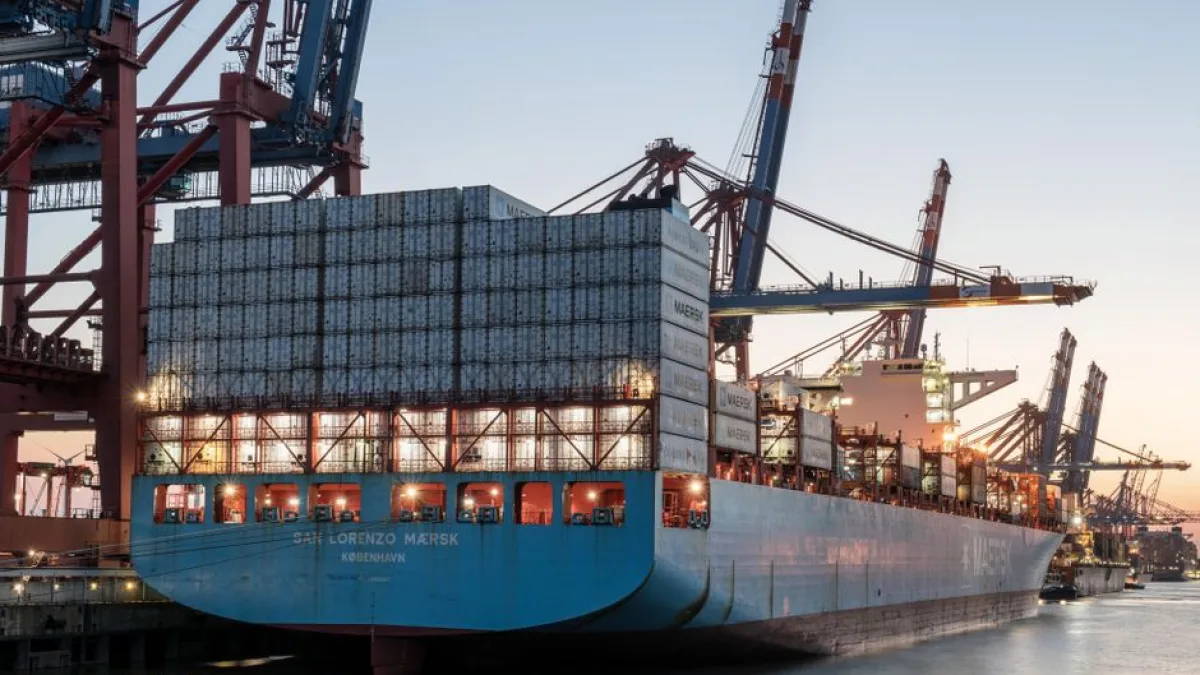
Success in modern freight forwarding relies on the seamless marriage of human expertise and advanced technology. By prioritizing cloud integration, data analytics, and operational transparency, your firm can navigate current challenges while preparing for future growth. Invest in the right digital infrastructure today to ensure your team remains efficient, competitive, and ready to meet the evolving demands of the global logistics marketplace effectively.