Navigating the Future of Digital Freight Forwarding
Tuesday, July 28 2026
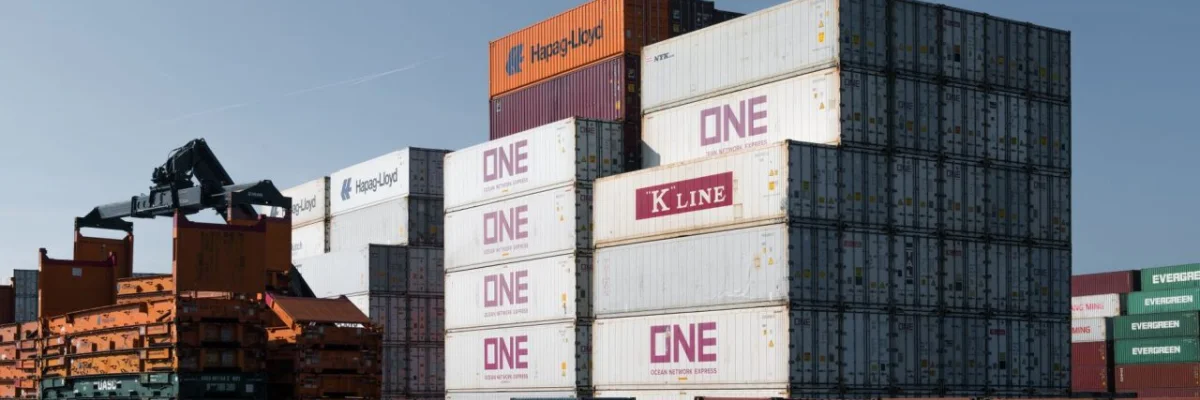
The global logistics landscape is undergoing a profound transformation as technology reshapes traditional shipping workflows. Freight forwarders are increasingly tasked with balancing complex supply chain demands against the urgent need for operational efficiency. Modern cloud platforms provide the necessary tools to navigate these challenges by centralizing data and automating manual processes. As market volatility continues to influence international trade, companies that prioritize digital infrastructure gain a distinct competitive advantage. Adopting agile software solutions is no longer an optional upgrade but a core requirement for any forward-thinking freight business aiming to survive and thrive in an interconnected, fast-paced global economy.
Embracing Cloud Integration
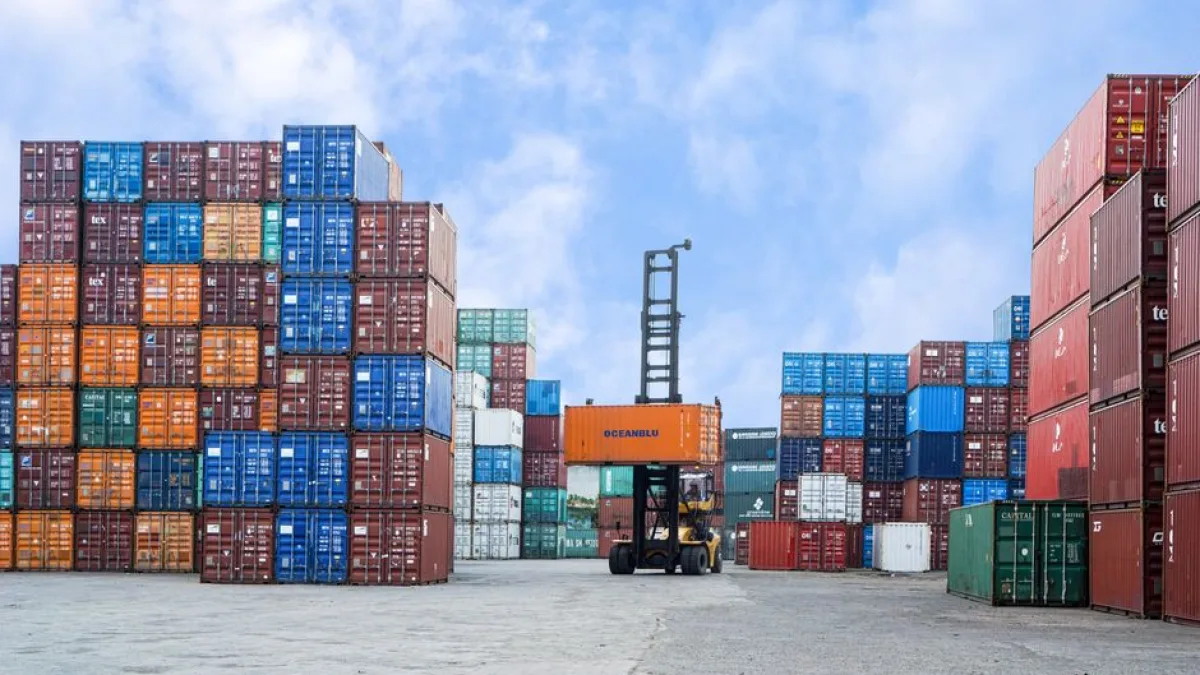
Transitioning to cloud-based systems allows teams to access critical shipment data from any location. This shift minimizes reliance on outdated legacy servers while ensuring that every stakeholder remains synchronized throughout the shipping process from origin to final destination.
- Real-time data access: Cloud platforms empower teams to monitor shipments instantly, reducing communication gaps and enabling faster decision-making when unforeseen disruptions or unexpected logistical delays occur during transport.
- Centralized document management: Storing all customs forms, bills of lading, and commercial invoices in one secure digital repository streamlines administrative tasks and prevents the loss of sensitive paperwork.
- Improved team collaboration: Departments can work simultaneously on the same shipment files, which eliminates duplicate entries and ensures that every team member views the most current information available.
- Enhanced system scalability: Cloud software grows alongside your business requirements, allowing you to add new users or integrate additional features without needing costly hardware replacements or extensive manual configuration.
Adopting a cloud-first strategy provides the agility required to manage modern logistics complexities. By centralizing operations, freight forwarders reduce the time spent chasing updates and instead focus on delivering value to their clients. This transformation improves service quality and creates a resilient foundation for long-term growth. When technology works in harmony with human expertise, the result is a superior customer experience.
Automating Manual Workflows

Automation plays a vital role in reducing the burden of repetitive administrative tasks. By deploying smart software, forwarders can automate rate quotations, invoice generation, and status updates, freeing up human staff to concentrate on strategic client relationship management and troubleshooting.
- Automated rate management: Intelligent systems instantly generate accurate quotes for customers by pulling live carrier data, which removes the need for manual calculations and reduces the risk of error.
- Streamlined invoice processing: Automated billing workflows reduce the time from shipment completion to payment receipt, which significantly improves cash flow and minimizes administrative friction for your accounting department.
- Instant status notifications: Proactive tracking updates keep your customers informed automatically, which reduces the volume of status inquiries and helps build trust through consistent, transparent communication throughout the journey.
- Error reduction strategies: Automated validation checks ensure that all input data meets required regulatory standards, preventing costly penalties and shipment delays caused by incorrect or incomplete shipping documentation.
Integrating automation into your daily operations is essential for scaling a logistics business effectively. By removing manual drudgery, you enable your team to handle larger volumes without increasing headcount. This efficiency gain translates directly into higher profit margins and improved service standards. Embracing these automated tools ensures your company remains capable of responding quickly to the demands of international trade.
Enhancing Supply Chain Visibility

Comprehensive visibility is the cornerstone of trust in the freight industry. Customers now expect granular, real-time tracking information, and providing this level of transparency is a critical differentiator for forwarders looking to win new contracts and retain existing clients.
- End-to-end tracking: Providing customers with detailed milestone updates from pickup to delivery helps manage expectations and improves satisfaction, making your service more reliable in a competitive global marketplace.
- Proactive exception management: Advanced software alerts teams to potential delays before they escalate, allowing for rapid alternative routing and clear communication with clients to minimize the overall impact.
- Data-driven performance insights: Analytics dashboards provide clarity on carrier performance and route efficiency, which helps you make informed choices that reduce costs and improve overall shipping reliability.
- Client portal access: Offering self-service portals allows your customers to download reports and track shipments independently, which empowers them while reducing the workload on your customer service team.
Investing in visibility tools turns logistics data into a strategic asset. When clients have the ability to monitor their cargo status, they feel confident in your process. This transparency fosters long-term loyalty and positions your brand as a reliable partner. In a world where information is everything, providing accurate and timely insights is the most effective way to secure your future.
Prioritizing Cyber Security

As freight forwarding becomes more digitized, protecting sensitive commercial information is paramount. Robust security protocols are necessary to defend against evolving cyber threats that target global supply chains and seek to disrupt the flow of international trade through data exploitation.
- Encrypted communication channels: Utilizing secure pathways for sharing sensitive shipping documents prevents unauthorized access and ensures that your client information remains confidential and protected from potential digital threats.
- Strict access controls: Implementing role-based permissions ensures that staff only access data necessary for their specific tasks, which reduces the internal risk of accidental data leaks or unauthorized system modifications.
- Regular system backups: Automated daily backups guarantee that your critical business operations can be restored quickly following any hardware failure, cyber attack, or other unexpected data loss incident.
- Compliance and audits: Staying updated with global data protection standards demonstrates your commitment to security, helping to satisfy client requirements and preventing legal complications during international logistics operations.
Maintaining high security standards is non-negotiable in today's digital logistics environment. By prioritizing data protection, you safeguard your reputation and ensure uninterrupted service for your customers. As you upgrade your digital infrastructure, integrating strong security measures must remain a primary objective. Protecting your network is a core component of building a resilient freight forwarding business that can weather any challenge.
Conclusion

The future of freight forwarding lies in the seamless integration of technology and professional expertise. By adopting cloud systems, automating manual workflows, increasing visibility, and ensuring robust security, forwarders can remain agile. These steps are essential for long-term success in the shifting global economy. Start your transformation today by evaluating your current software capabilities and investing in the tools that drive efficiency.