Navigating the Future of Digital Freight Forwarding Efficiency
Wednesday, July 29 2026
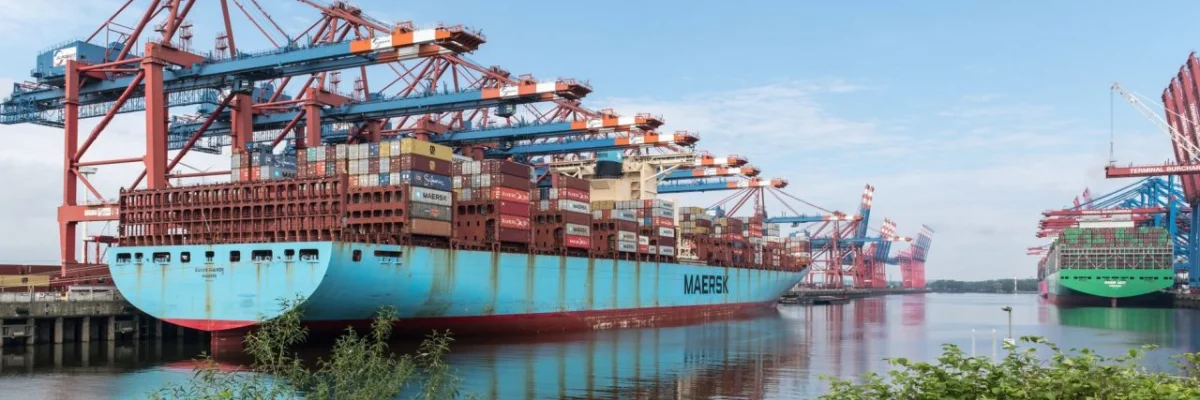
The global logistics landscape is undergoing a massive transformation driven by rapid technological adoption and changing market demands. Freight forwarders are increasingly tasked with managing complex supply chains while maintaining strict cost control and visibility. As digital adoption becomes the standard, professionals must leverage advanced platforms to remain competitive in a crowded market. This shift towards automation and real time data processing is not merely an optional upgrade but a fundamental requirement for companies aiming to scale operations, reduce manual errors, and provide superior service levels to their clients in an era defined by constant global trade volatility and uncertainty.
Embracing Automated Booking Systems

Modern booking systems reduce the reliance on manual data entry and email communication. By integrating automated tools, freight forwarders can provide instant quotes, manage bookings, and track cargo movements without the constant need for human intervention in basic administrative tasks.
- Instant quote generation: Customers receive pricing in seconds rather than hours, allowing your sales team to focus on high value leads instead of spending their day manually calculating shipping rates.
- Reduced manual error: Automation eliminates common typos and data discrepancies that often occur during traditional manual entry processes, ensuring that documentation remains accurate throughout the entire logistics journey.
- Improved customer experience: Clients appreciate the transparency and speed provided by digital portals, leading to higher satisfaction ratings and improved retention rates for your freight forwarding business long term.
- Seamless system integration: Modern platforms connect effortlessly with existing carrier APIs, creating a unified flow of information that prevents data silos and enhances overall operational efficiency across your departments.
Transitioning to automated booking processes is a critical step for modern forwarders. It minimizes costly human errors while simultaneously boosting the overall speed of service delivery. By adopting these digital workflows, you free up your internal team to handle complex logistics challenges that require critical thinking. This strategic move ensures your business remains agile, competitive, and highly responsive to fluctuating market demand.
Leveraging Real Time Cargo Visibility
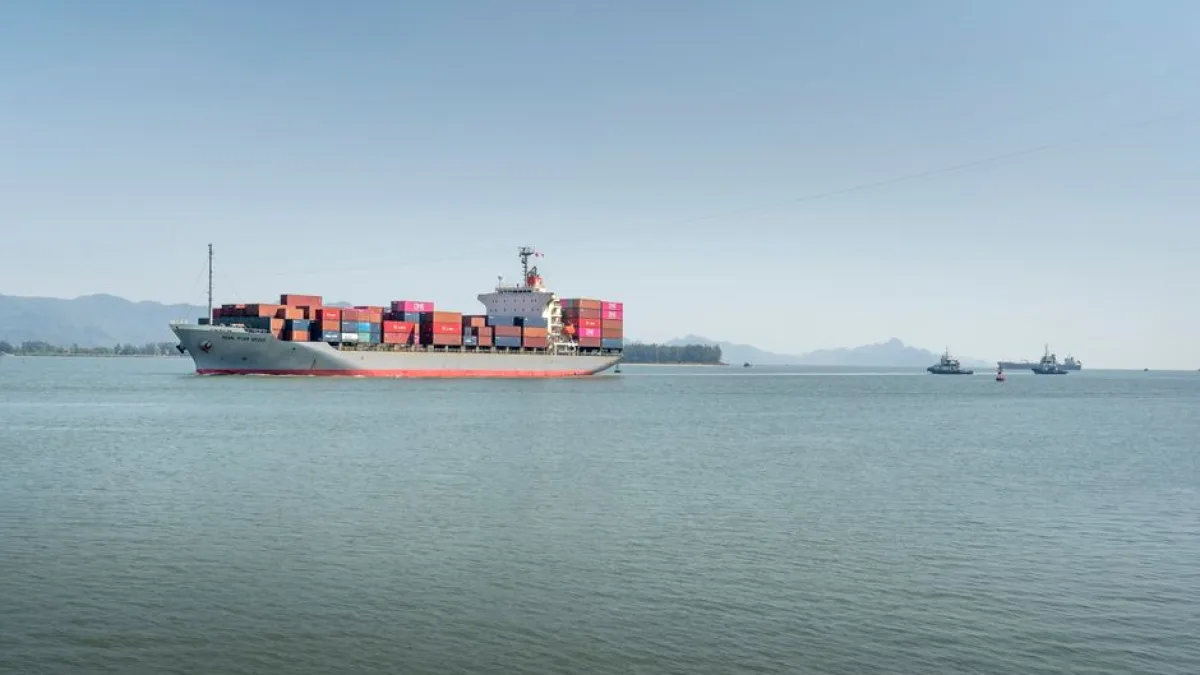
Visibility has become the most valuable asset in the logistics industry. Clients demand to know the exact location of their shipments at all times, making real time tracking features essential for maintaining transparency and building trust with your shipping partners.
- Live GPS tracking: Provide your clients with accurate updates on vessel locations, ensuring they have full visibility into their supply chains from the point of origin to destination.
- Predictive delay alerts: Advanced algorithms analyze weather and port congestion data to notify you of potential disruptions before they impact your scheduled delivery times and client operations.
- Enhanced shipment transparency: Open communication channels build lasting partnerships, as clients feel confident knowing their goods are being managed by a proactive and technologically advanced forwarding partner today.
- Reduced support calls: When customers can access tracking data via a portal, your team spends significantly less time answering repetitive questions about order status or shipment arrival dates.
Investing in visibility tools transforms how your business interacts with customers. Instead of reacting to problems, you start predicting them and providing solutions before they escalate into major issues. This proactive approach to shipment management distinguishes your services in a saturated market. By offering clear insights and reliable data, you establish your brand as a dependable leader that clients can trust implicitly.
Optimizing Warehouse and Inventory Flows
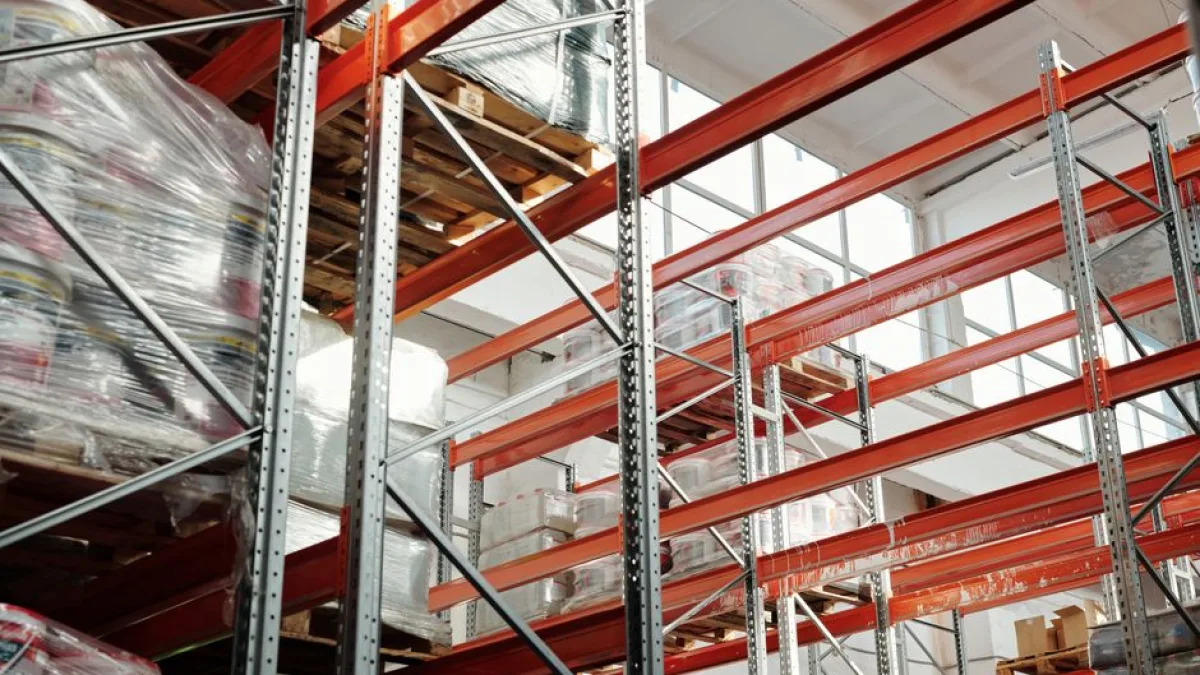
Effective inventory management is the backbone of successful logistics operations. Utilizing cloud platforms allows forwarders to manage warehouse activities, track stock levels, and coordinate movements with precision, ensuring that inventory never stalls and the supply chain remains moving smoothly.
- Streamlined inventory tracking: Monitor stock levels across multiple locations in a single interface, preventing discrepancies and ensuring your team always has access to the most accurate data available.
- Efficient order processing: Automated workflows move orders from intake to dispatch rapidly, reducing cycle times and increasing the total volume of goods your warehouse can process daily.
- Data driven decision making: Utilize detailed reporting tools to analyze warehouse performance, identify bottlenecks in your current processes, and optimize your overall storage strategy for maximum efficiency.
- Minimized overhead costs: Precise tracking reduces waste and storage fees, allowing you to operate a leaner warehouse while maintaining high service standards for every single client account.
The ability to manage complex warehouse flows is what separates efficient forwarders from their competition. By leveraging cloud tools, your team can maintain control over every item in transit. This level of oversight reduces operational waste and improves your bottom line significantly. Ultimately, optimized inventory management drives growth and allows you to scale your business operations without compromising on quality control.
Securing Digital Supply Chain Operations

As the industry digitizes, security must remain a top priority. Protecting sensitive cargo data and client financial information from cyber threats is essential for maintaining your reputation and ensuring the long term sustainability of your digital freight forwarding business operations.
- Robust data encryption: Protect all client and shipment information with enterprise grade security protocols, ensuring that your digital assets remain safe from unauthorized access at all times today.
- Compliance and standards: Adhere to international data protection regulations to avoid costly fines and demonstrate to your clients that their information is handled with the highest integrity.
- Disaster recovery plans: Implement secure cloud backups that ensure your operations can continue even in the event of a system failure, maintaining your service reliability at all.
- Multi factor authentication: Require strict access controls for all internal employees to prevent unauthorized account access and protect your core business systems from potential external threats effectively.
Prioritizing digital security is no longer an optional task for forwarders. With the rise of cyber threats, robust defense systems are vital to safeguarding your company reputation. When your clients know their data is protected by high standards, they are more likely to commit to long term partnerships. This focus on security creates a foundation of trust that supports your growth.
Conclusion

Digital transformation is the primary driver of success in the modern freight industry. By integrating automated booking, real time tracking, optimized warehouse management, and robust security, you position your business at the forefront of the market. Start your transition today by evaluating your current tools and identifying areas where MakeCargo can help you streamline operations, improve service, and achieve sustainable growth in global trade.