Navigating the Future of Digital Freight Forwarding Efficiency
Wednesday, July 29 2026
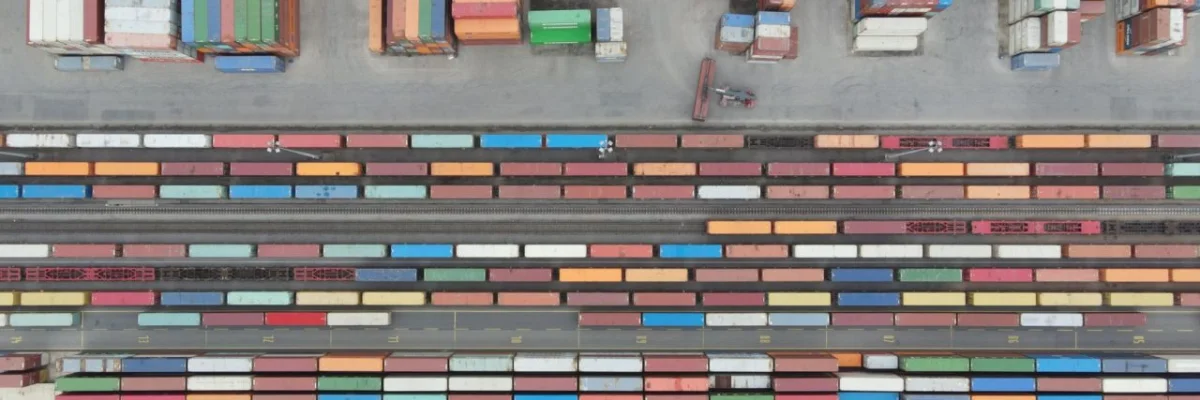
The global logistics landscape is undergoing a massive transformation driven by rapid technological adoption and changing consumer demands. Freight forwarders are increasingly tasked with managing complex supply chains while maintaining transparency and speed. For modern professionals, the transition from manual processing to cloud-based automation is no longer a luxury but a strategic necessity to remain competitive. By leveraging data-driven insights and streamlined digital workflows, forwarders can mitigate risks associated with port congestion and fluctuating freight rates. This article explores the vital innovations currently reshaping the industry and provides actionable strategies to enhance operational productivity in a volatile, interconnected global marketplace today.
Adapting to Technological Shifts
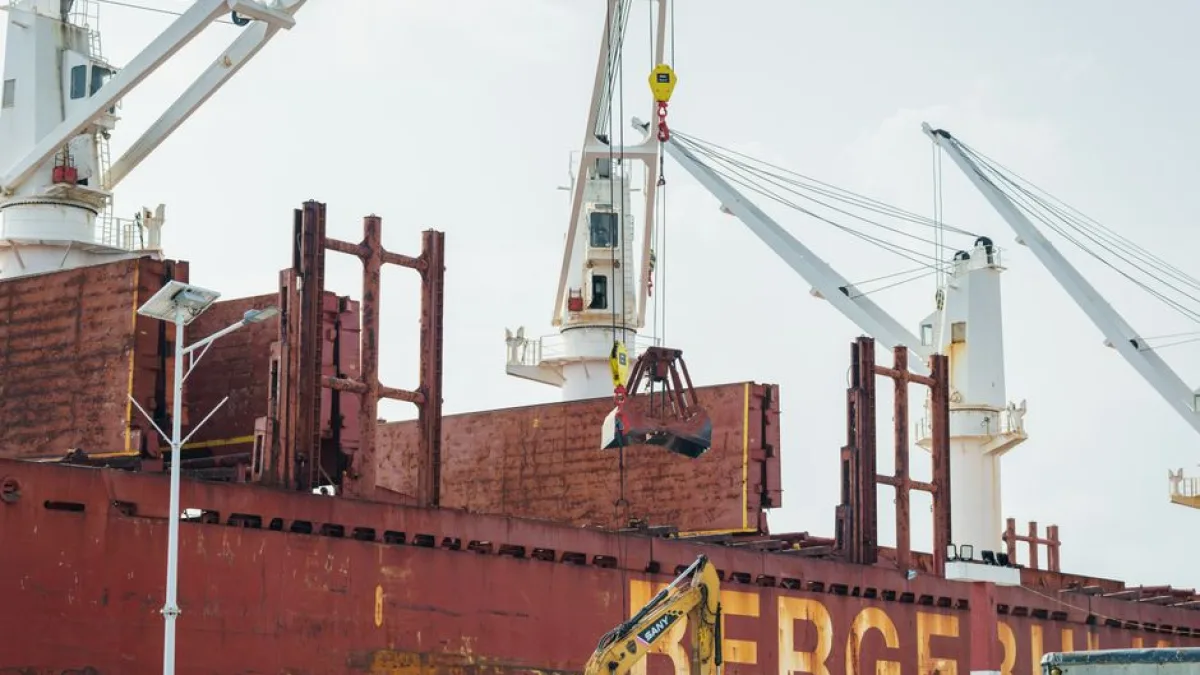
Digital transformation remains the top priority for logistics firms aiming to modernize their infrastructure. By shifting away from legacy systems, forwarders can capture real-time data, improve client communication, and significantly reduce the administrative overhead that slows down international shipping processes and global logistics.
- Automated Documentation Tools: Advanced software platforms now allow forwarders to automate the creation of bills of lading and commercial invoices, drastically reducing the risk of human error during entry.
- Cloud Data Access: Centralizing shipment information in the cloud ensures that all stakeholders have instant access to status updates, fostering better collaboration across different global time zones.
- Predictive Analytics Integration: Utilizing machine learning algorithms helps teams anticipate potential bottlenecks before they occur, allowing for proactive routing adjustments that keep cargo moving through international transit hubs.
- API Integration Capabilities: Modern software architectures allow for seamless connectivity between carriers, customs authorities, and internal CRM systems to create a unified ecosystem for managing complex freight.
- Enhanced Cyber Security: Investing in robust cloud security protocols protects sensitive client data and trade secrets from increasing digital threats while maintaining high levels of operational trust.
Adopting these technological shifts allows forwarders to focus on high-value tasks rather than repetitive data entry. When systems communicate effectively, the entire supply chain becomes more resilient to external pressures. Firms that prioritize these upgrades often see a direct correlation between digital fluency and client retention rates, as shippers demand the high-level transparency that only a connected software platform can consistently provide.
Optimizing Supply Chain Transparency
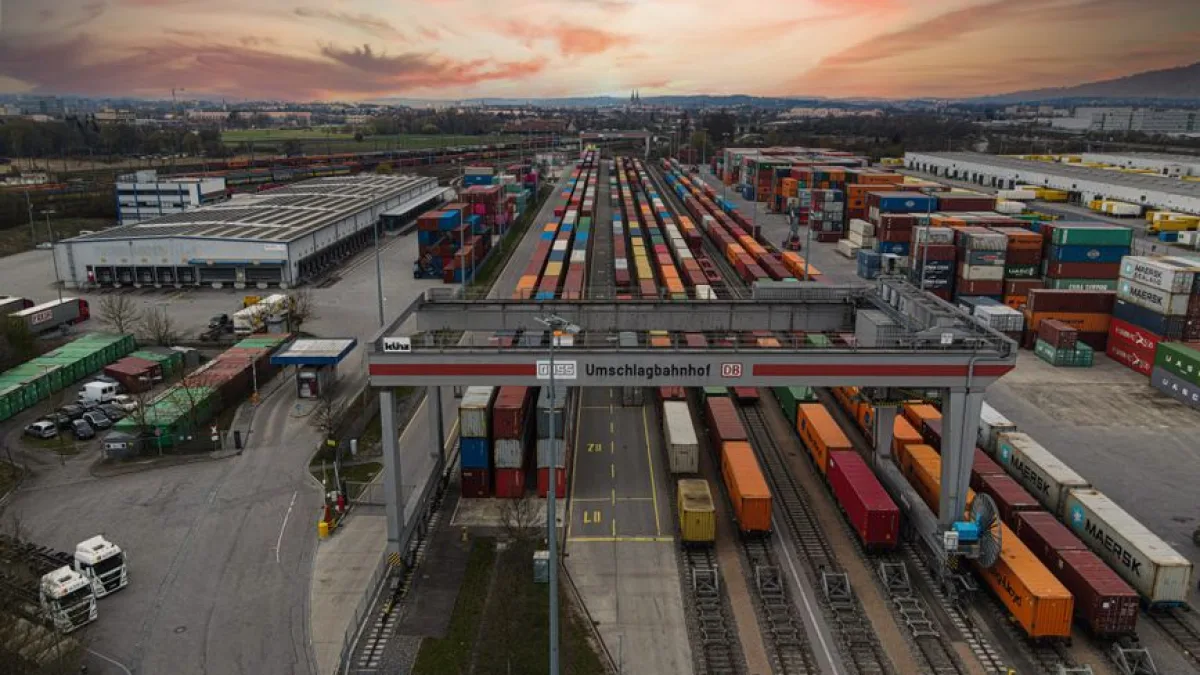
Visibility has become the hallmark of a successful freight forwarding operation in the modern age. Customers expect granular tracking capabilities, forcing businesses to invest in integrated systems that provide end-to-end visibility from the warehouse floor to the final point of delivery.
- Real-time Tracking Updates: Providing clients with live location data builds immense trust, allowing them to make informed decisions regarding inventory management and their own customer delivery commitments.
- Automated Status Alerts: Proactive communication regarding shipment milestones ensures that clients remain informed, reducing the volume of inbound support inquiries handled by your busy logistics team.
- Electronic Proof Delivery: Digitizing proof of delivery documents eliminates paper trails, speeding up the invoicing process while creating a reliable audit trail for every single handled shipment.
- Unified Interface Design: A single dashboard view enables operations staff to monitor multiple shipments at once, facilitating faster response times when unexpected transit delays or issues arise.
- External Platform Integration: Syncing with carrier web portals ensures that tracking data is pulled automatically without manual input, keeping all information current and accurate for your users.
Achieving total transparency requires a commitment to data integrity and system reliability throughout the organization. By providing accurate, timely updates, freight forwarders transform from simple service providers into indispensable supply chain partners. This shift in perception is essential for long-term growth and stability, as clients increasingly prioritize providers who offer clear visibility over those who rely on outdated, opaque communication methods.
Managing Fluctuating Freight Rates
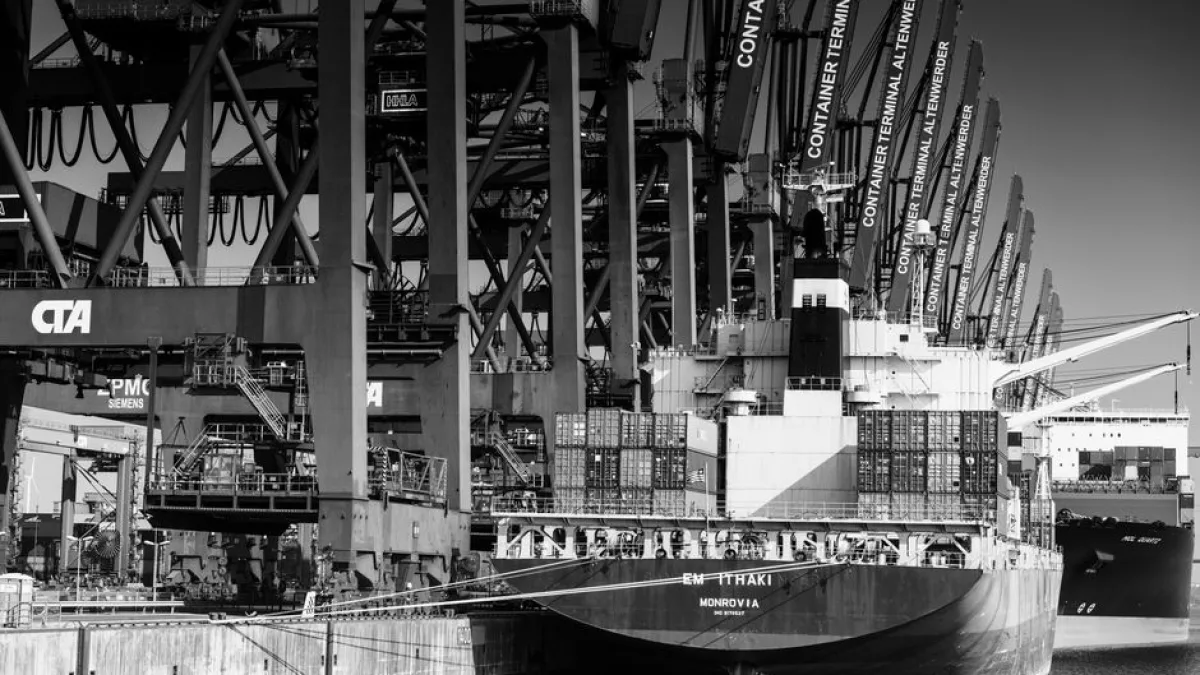
Market volatility remains a constant challenge for freight forwarders operating on thin margins. Successfully managing these fluctuations requires a combination of smart software tools and strategic planning to ensure profitability while offering competitive pricing to your valuable shipping partners.
- Dynamic Rate Management: Utilizing automated rate procurement modules allows forwarders to compare options in seconds, ensuring that they consistently offer the most cost-effective solutions to their clients.
- Historical Data Analysis: Reviewing past shipping costs helps teams forecast seasonal price spikes, enabling better contract negotiations with carriers and more stable pricing models for customers.
- Profit Margin Monitoring: Integrated dashboards display real-time profitability per shipment, allowing managers to identify underperforming routes and adjust pricing strategies to protect their company bottom line.
- Carrier Diversification Strategy: Maintaining relationships with a wide variety of carriers through a central portal gives forwarders the flexibility to switch providers when specific rates surge.
- Automated Quote Generation: Reducing the time spent building quotes allows sales teams to send proposals faster, increasing the conversion rate of new business opportunities in competitive markets.
Navigating rate volatility is much easier when you possess the right tools for data analysis. When forwarders can quickly identify cost trends and manage their carrier relationships effectively, they remain profitable even during turbulent economic times. This level of control ensures that service quality does not suffer when budgets are tight, ultimately keeping the business healthy and prepared for future industry changes.
Building Resilient Logistic Operations
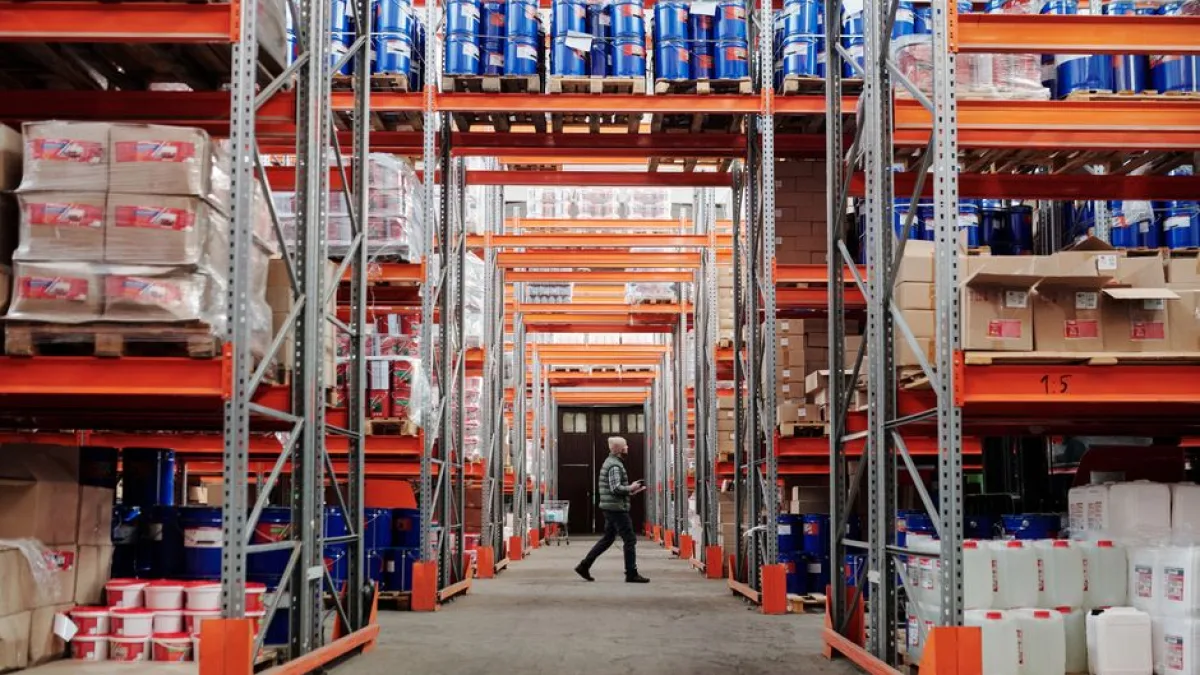
Resilience is the key to surviving in a global industry defined by constant change and external shocks. Forwarders must build flexible workflows that can pivot instantly when faced with port strikes, natural disasters, or sudden shifts in global trade policies to ensure continuous operation.
- Scalable Cloud Infrastructure: Cloud-based software platforms scale effortlessly as your business grows, allowing you to add new users and features without the need for complex hardware installations.
- Standardized Operational Processes: Creating uniform workflows across all departments ensures that work is performed consistently, regardless of which team member is managing the specific shipment task.
- Remote Work Capability: A browser-based freight forwarding platform enables your staff to work from anywhere in the world, ensuring that business continues during regional or global disruptions.
- Crisis Management Planning: Built-in notification tools allow operations managers to blast updates to all relevant stakeholders simultaneously during an emergency, keeping everyone aligned on recovery efforts.
- Interdepartmental Data Sharing: Breaking down information silos enables better decision-making by providing a holistic view of the company performance and potential areas for operational improvement and efficiency.
Operational resilience is not a static goal but an ongoing commitment to improvement and adaptability. By establishing robust systems that support remote work and standardized procedures, firms ensure they are prepared for any future challenges. Leaders who invest in these flexible foundations today will find themselves better positioned to weather the storms of the logistics industry while maintaining high service standards.
Conclusion
The future of freight forwarding belongs to those who embrace digital integration and prioritize operational transparency. By leveraging modern software, forwarders can turn data into a competitive advantage, improve their bottom line, and deliver exceptional service to their clients. Staying informed and agile is essential for navigating the complexities of the logistics sector, ensuring long-term success in an increasingly connected global trade environment.