Navigating the Future of Digital Freight Forwarding Efficiency
Thursday, July 30 2026

The global logistics landscape is undergoing a massive transformation driven by rapid technological integration and shifting consumer expectations. For modern freight forwarders, staying competitive requires moving beyond traditional manual processes toward agile, cloud-based workflows. As supply chain complexities mount, the ability to leverage real-time data becomes the primary differentiator between industry leaders and those struggling to keep pace. This article explores essential strategies for operational optimization, focusing on digital infrastructure, automated documentation, customer transparency, and sustainable practices. Embracing these innovations ensures your business remains resilient, scalable, and fully prepared to tackle the volatile demands of international trade and complex maritime logistics.
Optimizing Digital Infrastructure
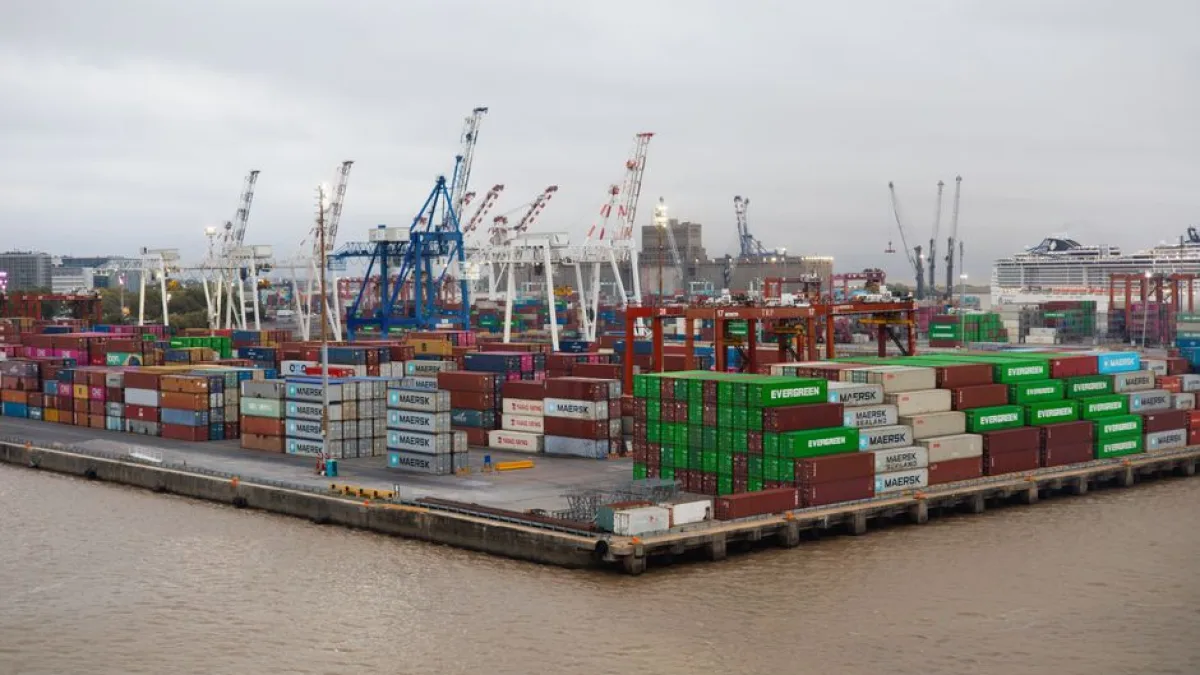
Modern infrastructure serves as the backbone for efficient shipping operations by centralizing data across multiple global nodes. Investing in cloud-native platforms allows your team to sync logistics activities instantly, reducing the reliance on legacy spreadsheets and disparate communication channels that cause delays.
- Unified Data Streams: Implementing a central dashboard enables your team to access real-time shipping data, which minimizes communication gaps and prevents costly errors during the sensitive booking process.
- Cloud Scalability Options: Adopting cloud platforms ensures that your IT infrastructure grows alongside your client base, providing the necessary bandwidth to manage spikes in shipment volume throughout the year.
- Automated Security Protocols: Advanced software solutions offer end-to-end encryption for your sensitive cargo data, protecting your clients from digital threats while maintaining high levels of operational uptime globally.
- Integration With APIs: Seamless connectivity with third-party customs systems and port authorities reduces redundant data entry, allowing your staff to focus on higher-value tasks like strategic shipment management.
Transforming your technological foundation is not merely an optional upgrade but a fundamental necessity for survival. By migrating to a unified environment, you remove the silos that inhibit growth and lead to operational bottlenecks. Prioritizing digital infrastructure today sets the stage for a more responsive service model that can easily adapt to unexpected market shifts and long-term client expansion requirements.
Automating Documentation Processes

Documentation remains the most time-consuming aspect of freight forwarding, often prone to human error. Automating the creation, validation, and submission of critical shipping papers frees up your logistics coordinators to focus on solving complex routing issues for your global partners.
- Intelligent Document Scanning: Utilizing AI-powered scanning tools allows you to extract essential information from invoices and packing lists automatically, which significantly slashes processing time for every single shipment.
- Smart Compliance Checks: Automated verification tools cross-reference your paperwork against international regulations, ensuring that all submissions are accurate and compliant before they reach customs officials at the border.
- Digital Signature Integration: Implementing electronic signature workflows eliminates the need for physical printing or scanning, speeding up the approval process between shippers and carriers by several business days.
- Cloud Repository Storage: Secure cloud storage provides an immutable record of all shipping documents, ensuring that your company remains audit-ready and organized during peak shipping seasons throughout the year.
Transitioning toward a paperless workflow reduces overhead costs and drastically improves the speed of your documentation cycle. By removing manual data entry from your daily operations, you minimize the risk of costly clearance delays that disrupt supply chains. Investing in these automated systems transforms your administrative burden into a competitive advantage, allowing your team to handle larger shipment volumes with consistent accuracy.
Enhancing Customer Transparency

In the current market, clients demand instant visibility regarding their cargo status at every stage of the transit journey. Providing transparent, self-service tracking tools allows your customers to monitor their assets, which builds trust and strengthens long-term business relationships significantly.
- Live Tracking Dashboards: Offering clients an interactive portal lets them view the precise status of their cargo, reducing the volume of inbound status update requests for your team.
- Automated Milestone Alerts: Configurable notifications keep your customers informed about key transit milestones, ensuring they receive proactive updates rather than reacting to unexpected delivery delays or route changes.
- Document Access Portals: Giving clients direct access to their invoices and shipping manifests promotes self-sufficiency, which improves overall customer satisfaction while reducing the administrative workload for your staff.
- Custom Reporting Tools: Allowing your customers to generate their own performance reports helps them analyze shipping history, fostering a collaborative partnership based on data-driven insights and operational transparency.
Delivering high-level visibility is a powerful way to distinguish your freight forwarding services in a crowded market. When you empower your customers with the right tools, you move from being a service provider to a trusted logistics partner. This shift improves client retention rates and provides the transparency needed to navigate today's fast-paced environment where information is as valuable as the cargo.
Prioritizing Sustainable Logistics

Sustainability is no longer a corporate niche; it is a core business requirement for global shippers aiming to reduce their carbon footprint. Integrating eco-friendly practices into your logistics strategy helps meet new regulatory standards while appealing to environmentally conscious companies across the international supply chain.
- Route Optimization Algorithms: Advanced software tools identify the most fuel-efficient transit paths, significantly reducing total greenhouse gas emissions during the ocean or land movement of your client cargo.
- Carbon Impact Reporting: Providing detailed emission reports allows your clients to track the environmental impact of their supply chain, which helps them meet their own internal sustainability targets effectively.
- Carrier Selection Analytics: Incorporating green performance metrics into your carrier evaluation process encourages partners to prioritize modern, low-emission fleets, creating a more sustainable ripple effect across the industry.
- Waste Reduction Strategies: Digital-first logistics minimize the need for physical printing and transit documentation, directly contributing to a lower carbon footprint for your own office and warehouse operations.
Adopting sustainable logistics practices demonstrates leadership and foresight in an era of tightening environmental regulations. By focusing on efficiency and reporting, you provide tangible value to your clients while contributing to global conservation efforts. Integrating these practices into your daily operations ensures that your business remains compliant and attractive to the growing number of companies prioritizing green supply chain solutions.
Conclusion

Modernizing your freight forwarding business is a continuous journey that requires commitment to technology, automation, and transparency. By adopting the strategies outlined, you build a resilient foundation capable of handling future industry volatility. Start by auditing your current workflows and identifying areas for digital improvement. A proactive approach to these changes will ensure your company remains a leader in the global logistics market.