Navigating the Future of Digital Freight Forwarding
Friday, July 31 2026

The global logistics landscape is undergoing a massive transformation as freight forwarders increasingly adopt digital tools to overcome traditional operational hurdles. With supply chain volatility reaching new heights, professionals are moving away from manual spreadsheets in favor of integrated, cloud-based platforms. This transition represents a shift toward transparency, speed, and data-driven decision making. As client expectations for real-time tracking and instant quotes continue to escalate, modern forwarders must leverage advanced technology to maintain a competitive advantage. This article explores how digital optimization allows firms to scale operations efficiently while mitigating the risks inherent in the current international freight market.
The Rise of Automated Documentation

Automated documentation software eliminates the tedious manual data entry tasks that historically consumed hours of administrative time. By digitizing bills of lading and invoices, firms reduce human error while accelerating the entire customs clearance process for their international shipments.
- Eliminating Manual Errors: Digital processing tools automatically validate data fields to prevent common mistakes that lead to costly customs delays or incorrect documentation for essential international shipping manifests.
- Faster Processing Cycles: Centralized systems allow teams to generate complex transport documents within seconds rather than hours, ensuring that cargo moves through terminals without unnecessary administrative bottlenecking issues.
- Secure Cloud Storage: Storing critical documents in the cloud provides instant access for authorized users while ensuring that sensitive client information remains protected through high-level encryption protocols.
- Regulatory Compliance Standards: Integrated software platforms automatically update to reflect the latest changes in international trade laws and customs requirements across different jurisdictions and busy transit ports.
Adopting automated documentation is no longer just an optional improvement but a necessity for surviving modern logistics pressures. By removing manual data entry from daily workflows, your team can focus on higher value tasks like client relationship management. This shift not only improves overall accuracy but also significantly boosts the morale of employees who are tired of handling repetitive and exhausting paperwork daily.
Real Time Tracking Transparency
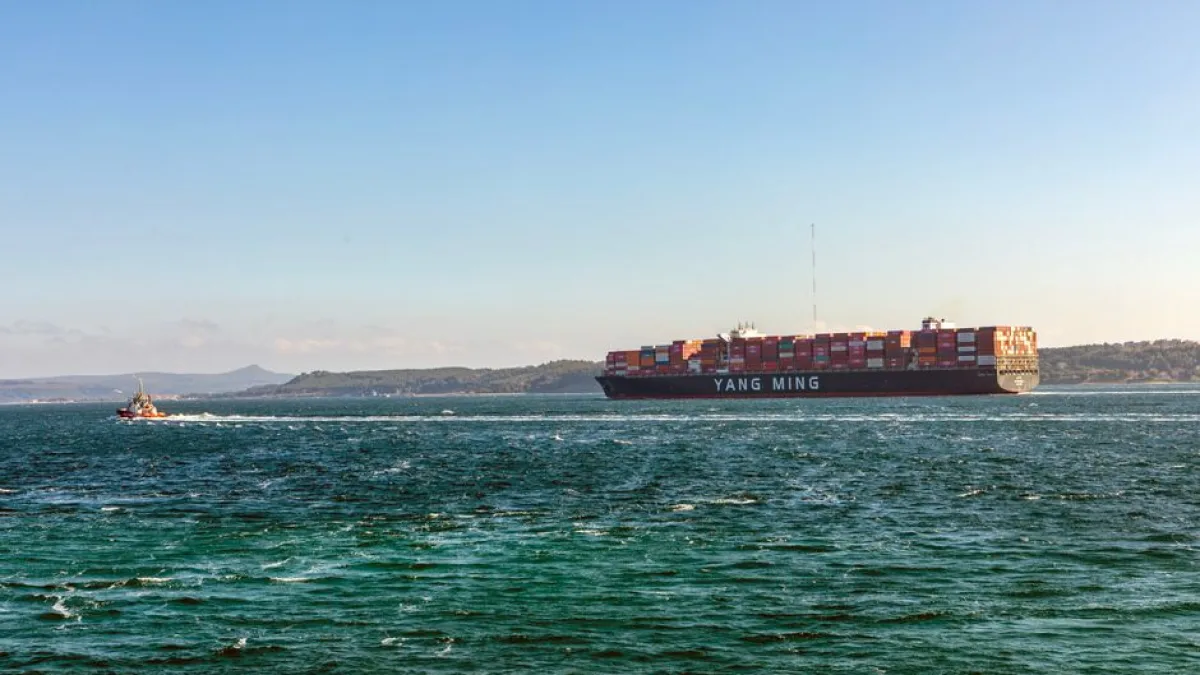
Real time tracking provides unprecedented visibility into cargo status, allowing forwarders to proactively communicate with clients regarding potential transit delays. This transparency builds trust and empowers logistics managers to make informed decisions when unexpected route disruptions occur mid-transit.
- Instant Status Updates: Customers receive automatic notifications regarding their shipment status, which significantly reduces the volume of repetitive status inquiry emails directed at your operational support staff.
- Proactive Issue Resolution: Advanced dashboard tools flag potential transit delays early, enabling forwarders to alert clients and implement contingency plans before the cargo reaches a critical point.
- Enhanced Client Trust: Sharing live tracking links with clients fosters a culture of transparency that differentiates your brand from competitors still relying on outdated manual status reports.
- Improved Planning Efficiency: Accurate data on vessel arrivals helps warehouse managers optimize their labor resources and truck scheduling to ensure seamless final mile delivery for all goods.
Visibility serves as the bedrock of modern customer satisfaction in the logistics sector. When you provide accurate, real time updates, you minimize friction and create a reliable experience for every stakeholder involved in the chain. Investing in high quality tracking technology demonstrates your commitment to service excellence, ultimately driving long term loyalty and consistent growth for your freight forwarding business operations today.
Optimizing Warehouse and Yard Efficiency
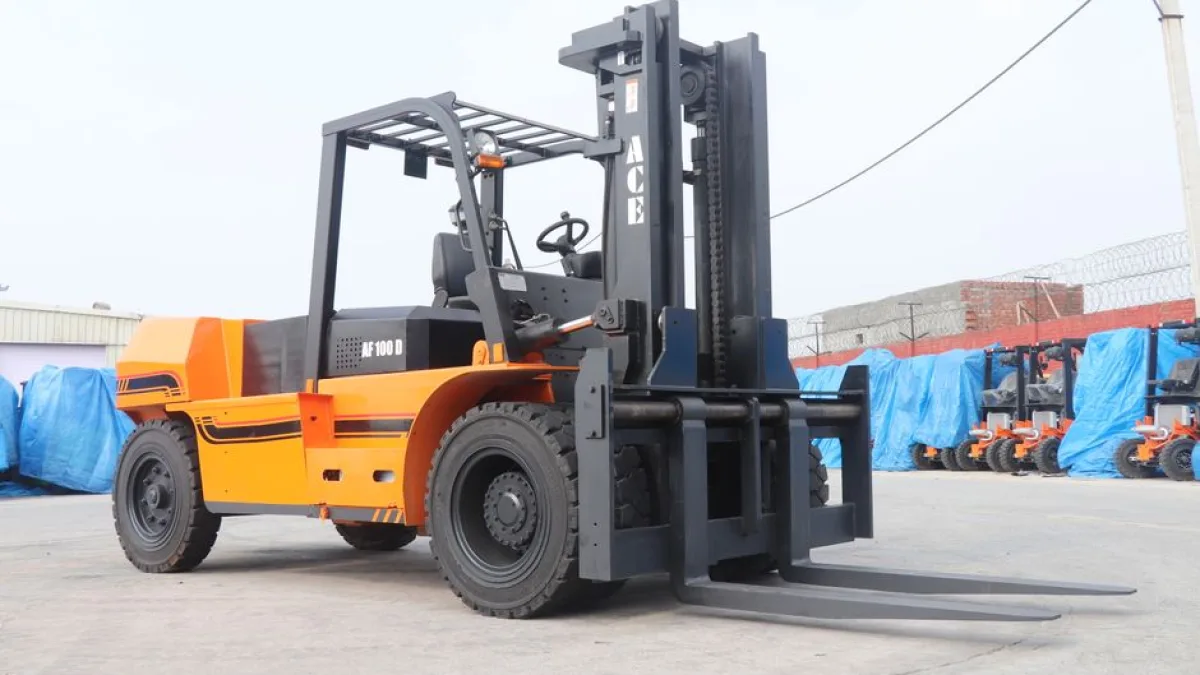
Efficient warehouse management is the engine behind successful freight operations, ensuring that goods are handled, sorted, and dispatched with extreme precision. Digital platforms now coordinate these physical movements to maximize throughput and minimize the time cargo spends sitting idle.
- Inventory Accuracy Tools: Scanning technology ensures that every pallet is accounted for in the system, preventing lost stock and reducing the time spent searching for misplaced freight items.
- Space Utilization Logic: Algorithms calculate the most effective storage configurations, allowing your facility to handle higher volumes of goods without needing to expand your physical warehouse footprint.
- Loading Dock Scheduling: Sophisticated appointment systems prevent traffic congestion at your loading bays, ensuring that trucks spend less time waiting and more time moving goods to market.
- Workforce Productivity Tracking: Management tools monitor team performance metrics, helping you identify areas where additional training or process adjustments could improve overall output and warehouse operations flow.
Optimizing your facility operations directly impacts the bottom line by reducing overhead costs associated with inefficiency and waste. By leveraging cloud tools, you gain granular control over every square foot of your warehouse environment. This level of oversight turns your facility into a high performance hub that can handle increasing shipment volumes while maintaining strict accuracy standards and safety protocols.
Leveraging Advanced Data Analytics

Data analytics transforms raw logistics information into actionable insights that drive strategic business growth. By identifying patterns in shipping routes, seasonal demand, and carrier performance, firms can optimize their pricing structures and improve overall profit margins consistently.
- Carrier Performance Reviews: Detailed reports evaluate which transport partners offer the most reliable transit times, helping you make smarter decisions when selecting vendors for your key client accounts.
- Pricing Trend Analysis: Historical data modeling allows you to anticipate market fluctuations and adjust your quoting strategies to remain competitive while protecting your company against sudden volatility.
- Cost Reduction Strategies: Identifying recurring inefficiencies in your supply chain allows you to cut unnecessary spending and reinvest those funds into areas that drive significant revenue growth.
- Client Behavior Insights: Analyzing your customers shipping preferences helps you tailor your service offerings, leading to higher engagement levels and better retention rates for your logistics firm.
The ability to interpret complex data is what separates industry leaders from average performers. When your team understands exactly where costs originate and which routes deliver the best value, they make smarter, faster decisions. Investing in robust analytics tools gives your organization the intelligence required to navigate complex global markets with confidence and maintain a sustainable edge over your competition.
Conclusion
Technology remains the primary driver of success in today's rapidly changing freight forwarding industry. By prioritizing automation, visibility, warehouse efficiency, and data analytics, professionals can build resilient operations that thrive despite global challenges. Embracing these digital tools will not only streamline your daily workflows but also position your company for long term growth. Start your digital transformation journey with MakeCargo today for better results.